
Ken Jennings Mocks Trans Activist Boycott Demands, Igniting Online Backlash
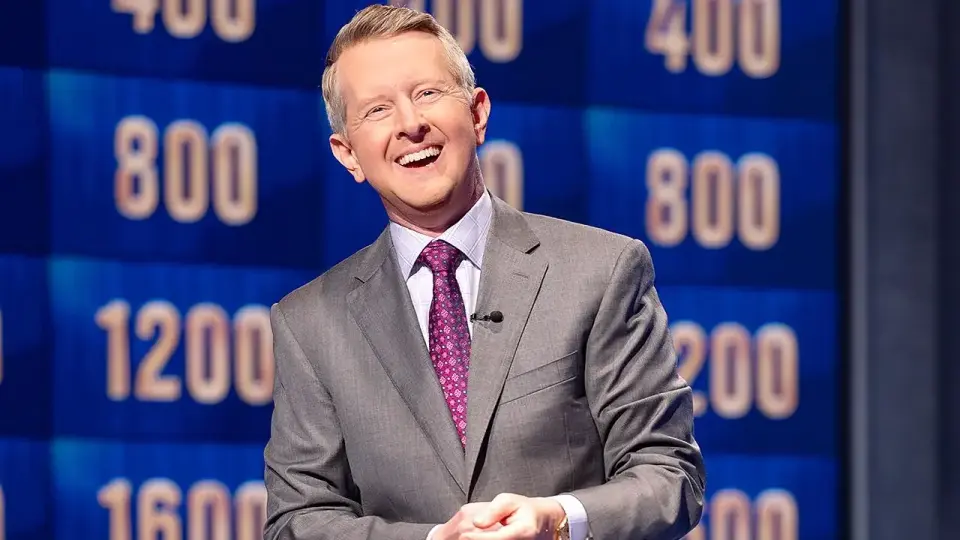
Jeopardy! host Ken Jennings faced online criticism after sarcastically claiming he received 'express permission' from the transgender community to maintain his New York Times subscription. The exchange on Bluesky escalated when a user accused him of trivializing boycott efforts, leading to a broader debate about the effectiveness of media boycotts and the dynamics of hyperpartisan social platforms.
Key points
- Jennings posted on Bluesky about playing NYT Spelling Bee, joking that he had 'express permission from the trans community' to keep his subscription.
- A user responded that playing NYT games is an insult to trans people, prompting Jennings to mock the idea of a formal approval process for media consumption.
- The user later stated Jennings made no effort to apologize, calling his behavior dismissive and lacking in empathy.
- Journalist Jesse Singal argued the outrage reflects the concentrated, extreme views of hyperpartisan platforms rather than the general public's sentiment.
- Jennings has previously supported transgender rights, including criticizing California Governor Gavin Newsom's stance on transgender youth in sports in 2025.
Background
This incident follows a multi-year campaign by transgender activists urging boycotts of The New York Times over its coverage of transgender issues. In 2023, hundreds of NYT contributors and thousands of subscribers signed an open letter condemning the paper's coverage, and the advocacy group GLAAD also sent a letter criticizing 'irresponsible, biased coverage.' The broader context includes ongoing debates about the efficacy of consumer boycotts in influencing media narratives, as seen in other recent cultural disputes involving boycotts of films and corporate partnerships.
Why it matters
The controversy highlights the tension between public figures and activist groups regarding the impact of media consumption on political and social issues. It also illustrates how social media platforms can amplify extreme viewpoints, creating a 'pressure-cooker' dynamic that may not reflect broader public opinion. The incident underscores the ongoing debate about the role of media boycotts in holding outlets accountable for their coverage of sensitive topics.
What to watch
Jennings has not publicly responded to the backlash or issued an apology as of the report's publication. The incident may continue to generate discussion on social media, particularly among users who follow media and culture trends. There is no indication of further action from Jennings or the involved parties, but the debate may resurface if similar boycott campaigns gain traction.
Want the full story? Read the original reporting
Read on Fox News