
Washington Post criticizes 'Love Is Blind' for promoting toxic masculinity
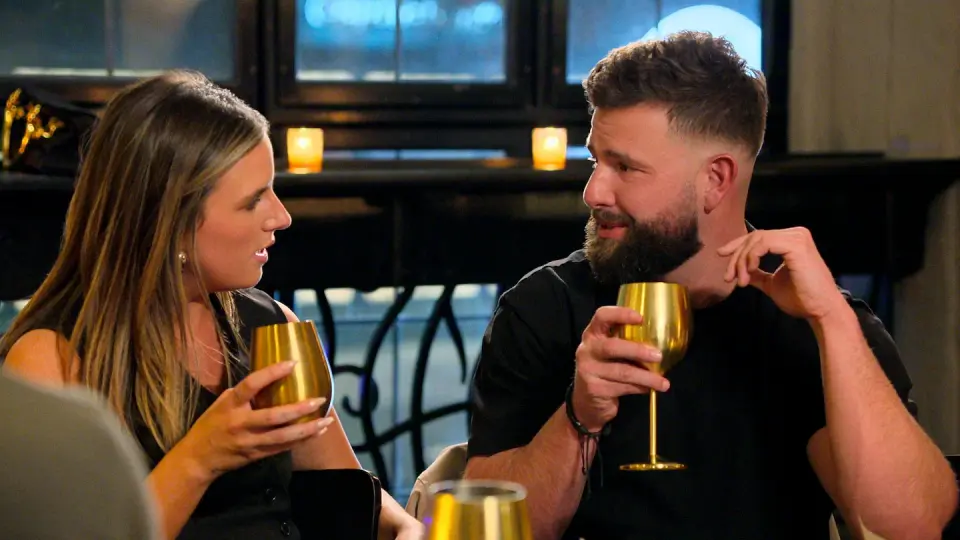
The Washington Post argues that the reality series 'Love Is Blind' functions as a documentary on toxic masculinity rather than a genuine exploration of blind love. The outlet suggests the show’s format, which debuted during the 2020 pandemic, inadvertently highlights harmful relationship dynamics and gender norms.
Key points
- The Washington Post asserts that 'Love Is Blind' is fundamentally a documentary about toxic masculinity.
- The show launched in 2020 during the global pandemic, aiming to test the concept of falling in love without seeing a partner.
- The outlet implies the series’ structure and outcomes reflect broader issues of toxic behavior in modern dating.
Background
Recent seasons of 'Love Is Blind' have faced significant scrutiny regarding the stability of its couples. In November 2026, the only couple to marry in Season 11, Sarah Williams and John Shannon, filed for divorce less than a year after their wedding. Additionally, another Season 11 couple, Aneha Singh and Cam Halloran, split after hesitations at the altar. These recent failures of the show’s core premise have likely contributed to critical analyses questioning the long-term viability and ethical implications of its format.
Why it matters
This critique challenges the entertainment value of popular reality television by linking its format to broader sociological issues. It suggests that the show may normalize or expose damaging relationship patterns, influencing how audiences perceive dating dynamics and gender roles in media.
What to watch
The upcoming Season 11 reunion episode, airing on November 8, 2026, will likely address the recent divorces and splits, potentially providing a platform for further discussion on the show's impact on participant relationships.
Want the full story? Read the original reporting
Read on The Washington Post