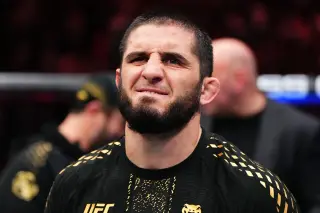
Islam Makhachev criticizes Ian Machado Garry’s conduct in recent interviews ahead of UFC 330, saying Garry looks coached and overly combative as he aims for a quick finish on the ground, while Garry has drawn scrutiny for his persona during media appearances.
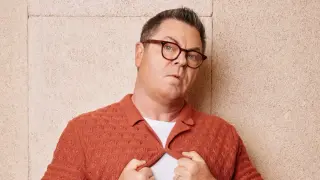
Nick Offerman explains why he’s stepping away from iconic Ron Swanson roles to pursue a broader range of projects, including the Jinx character in Margo's Got Money Troubles opposite Elle Fanning, and staying close to his wife Megan Mullally; he uses his platform to critique toxic masculinity, favors empathy and hugging over aggression, and emphasizes that inspired, selective career choices and a supportive team keep his work evolving.
Experts say today’s kids—especially boys—are more stressed, anxious, and lonely due to a mix of toxic online cultures, pressure to fit rigid masculine norms, and a decline in play and community; adults can help by listening, validating emotions, highlighting strengths, and engaging in shared activities to rebuild connections and happiness.
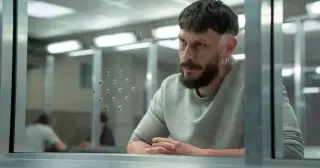
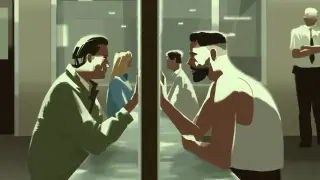
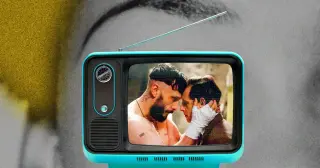
The finale of Richard Gadd’s Half Man (HBO/BBC) presents a bleak, cinematic meditation on masculinity, tracing a decades-long bond between two Scottish brothers in Glasgow and the pursuit of a ‘Real Man.’ While the performances are strong and the visual tone somber, the review finds the series theatrically heavy and ultimately argues that chasing manhood’s ideal is a dead end.
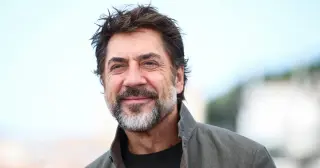
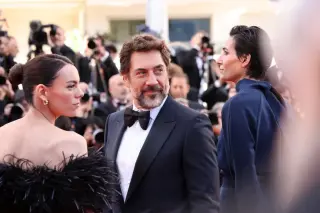
At Cannes, Oscar winner Javier Bardem denounced Donald Trump as embodying “toxic masculinity,” likening his bravado to Putin and Netanyahu, as the president wades through a wave of AI-generated posts (space battles, aliens, searing attacks) while the Rededicate 250 event on the National Mall drew sparse crowds and Trump stayed at his golf club. Bardem’s remarks came as his film The Beloved earned a seven‑minute ovation.
Oscar-winning Javier Bardem used Cannes to condemn toxic masculinity, calling out Trump and other world leaders, linking macho posturing to violence against women and urging a reasoned approach to information in a media-saturated era.
The New Yorker’s Inkoo Kang reviews Half Man, HBO/BBC’s drama about Niall and Ruben—two men who call themselves brothers—whose decades‑long, fiercely codependent relationship blends protection, aggression, and sexual tension. Set in Glasgow and driven by time jumps that heighten dread, the series probes internalized homophobia, power dynamics, and self-loathing, anchored by standout performances from Jamie Bell and Richard Gadd. While Ruben’s pathology can feel schematic, Niall’s complex, self-aware arc and the show’s mature take on masculinity carry the narrative toward a tense, emotionally charged meditation on family, desire, and culpability.
The Cut’s Michel Ghanem hails Richard Gadd’s Half Man as a brutally honest six-episode HBO miniseries about two Scottish stepbrothers whose increasingly tangled past examines masculinity, vulnerability, and queer identity across three decades, anchored by powerhouse performances (notably Jamie Bell) and an unflinching look at how toxic manhood shapes desire, family, and self-acceptance.
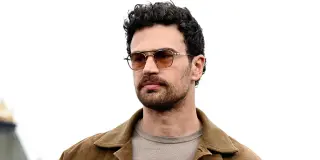
Theo James says the rise of the manosphere and incel movement stems from deep-seated insecurity and “meaningless bravado,” warning it’s a concern as he raises a son amid a culture driven by wealth and performative masculinity. He argues misogyny stems from unclear identities and is reinforced by capitalism, money, gym culture, and snappy hostility, with real harm to a generation of men.
The term 'Alpine divorce' describes partners leaving each other behind on mountains, a pattern observed by guides and rescuers that can put the abandoned partner in serious danger. Psychologists say it reflects unhealthy relationship dynamics and narcissistic traits, with real cases in Europe prompting warnings to seek help or call mountain rescue if danger arises.
Olivia Munn said on The Drew Barrymore Show that a male co-star halted filming because he refused to be saved by her character in a bunker fight; after about an hour of argument they resolved the moment with a switch, but the outcome remained the same. She also recalled other on-set clashes, including a sabotage claim on The Newsroom and casting pressure for 30 Rock.
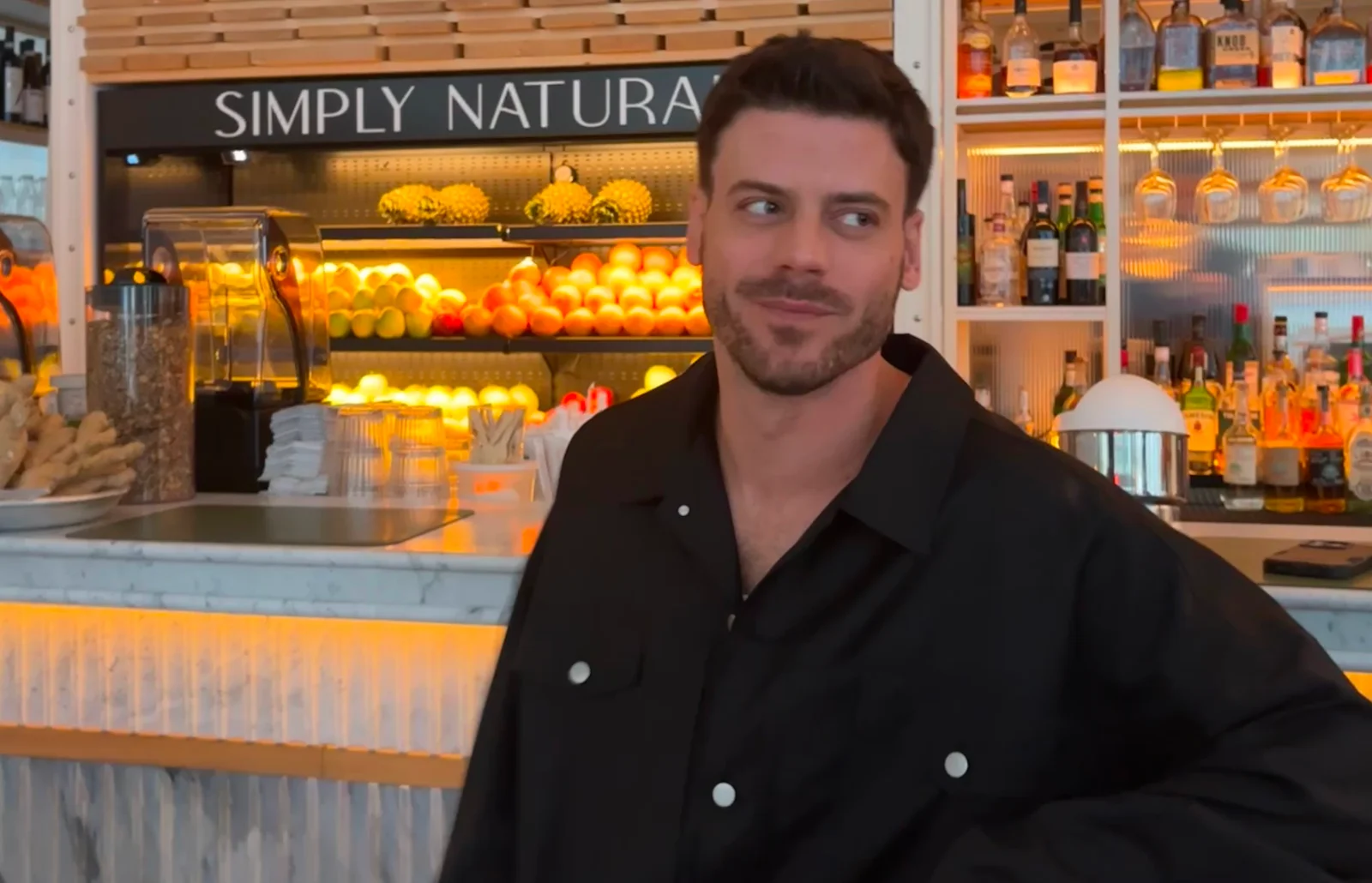
In a candid interview, François Arnaud discusses his breakout as Scott Hunter in Heated Rivalry, attributing the show's global surge to its focus on vulnerable masculinity and a critique of toxic stereotypes. He recalls his path into acting, the skating prep that shaped the role, and how early reactions from Montreal screenings signaled growing fan excitement. Arnaud hints at future, wilder projects beyond Heated Rivalry, cites literary influences and favorite books, and shares personal quirks—from his smoothie habit to a dream collaboration on Anna Sriram’s Fucktoys, painting a picture of a career stepping into bolder, more chaotic territory.
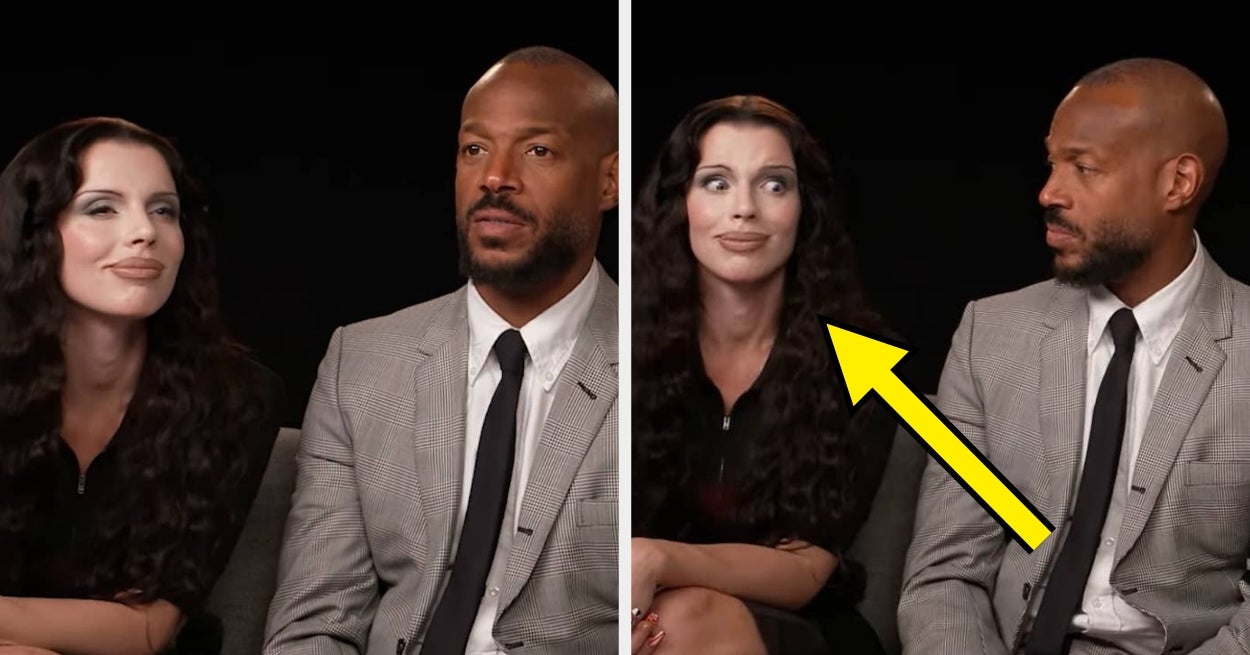
During a promotional interview for their film, Julia Fox interrupted Marlon Wayans multiple times while discussing the concept of 'real men,' leading to mixed online reactions. Some praised her for calling out harmful stereotypes, while others criticized her behavior as rude and reflective of white feminism, especially given the context of her previous associations and her treatment of the male interviewees.
Noah Caplan, a 20-year-old Gen Z director, is set to shoot his first feature film, 'Impressionable,' which tackles issues of toxic masculinity and the influence of hyper-masculine figures like Andrew Tate. Caplan, who learned filmmaking through YouTube, aims to create socially impactful films for his generation. His previous work, 'Stepping Stone,' focused on suicide awareness and featured actor Danny Dyer. Caplan advocates for the film industry to take risks on young filmmakers to better connect with Gen Z audiences.
Jerry Seinfeld sparked controversy by expressing nostalgia for "dominant masculinity" during a podcast, leading to significant backlash on social media where users criticized his comments as outdated and reflective of toxic masculinity.