
SAG-AFTRA Opposes Paramount-WBD Merger but Refuses to Join WGA Lawsuit
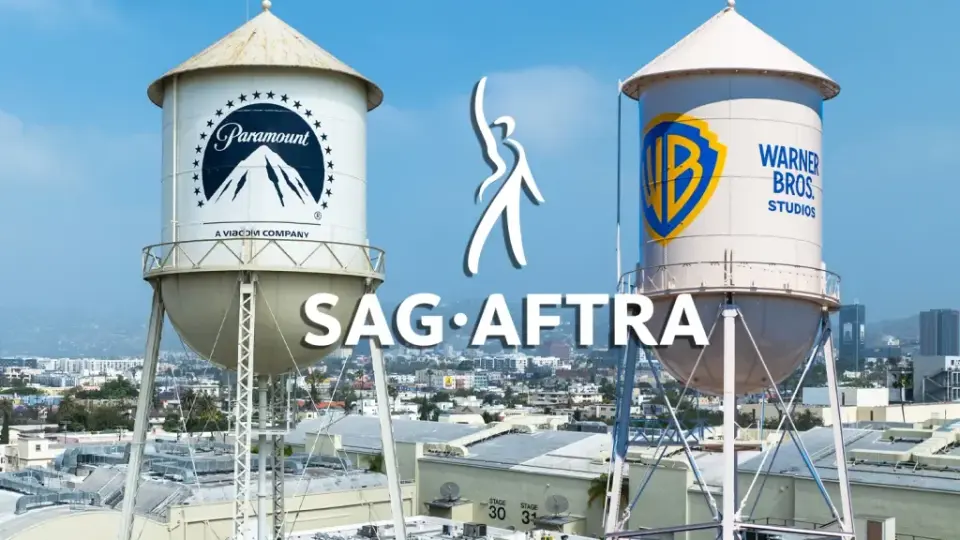
SAG-AFTRA has formally opposed the pending $111 billion acquisition of Warner Bros. Discovery by Paramount Skydance, demanding enforceable safeguards against production cuts and increased U.S. filming. However, the union declined to join the Writers Guild of America in its federal lawsuit to block the deal. Meanwhile, Paramount has agreed to pause the merger until at least June 2027 to allow a direct trial in an antitrust case brought by 12 state attorneys general, incurring massive financial penalties for the delay.
Key points
- SAG-AFTRA’s National Board adopted a resolution opposing the merger unless there are enforceable guarantees against reduced production and increased U.S. content.
- The union explicitly chose not to join the Writers Guild of America’s lawsuit, stating other demands are best addressed by other advocates.
- Paramount agreed to halt the merger until June 1, 2027, or five days after the lawsuits are resolved, to move directly to trial.
- Paramount faces a 'ticking fee' of $650 million per quarter starting in October, totaling $7 billion if the deal is not closed by June 4, 2027.
- A temporary restraining order was granted by a federal judge, pausing the acquisition while the states' antitrust case proceeds.
Background
The merger has faced significant regulatory and legal hurdles since mid-2026. The Writers Guild of America filed an antitrust lawsuit in July, arguing the deal would reduce competition and harm writers' pay. Shortly after, 12 Democratic state attorneys general, led by California’s Rob Bonta, filed a separate suit to block the merger on antitrust grounds. A federal judge granted a temporary restraining order, pausing the deal. Additionally, a shareholder derivative suit alleges that David and Larry Ellison orchestrated a side deal with President Trump to secure federal approval, raising concerns about the influence of the Trump administration on the merger's quick initial approval.
How outlets are covering it
Outlets highlight different aspects of the union's response and the deal's status. Deadline emphasizes SAG-AFTRA's decision to oppose the merger but not join the WGA lawsuit, noting the union's focus on economic impacts for its members. Variety reports on internal divisions at Warner Bros. Discovery, with some executives hoping the states' lawsuit derails the deal, while others accept the merger will likely proceed. NPR focuses on the financial implications of the delay, highlighting the $650 million quarterly penalty Paramount must pay. The New York Times details the strategic decision by Paramount's legal team to skip early legal motions and move directly to trial, which has stalled the merger until at least June 2027. All sources agree on the core facts of the merger's pause and the legal challenges, but differ in emphasis on the union's stance, internal corporate sentiment, and financial consequences.
Why it matters
The SAG-AFTRA resolution signals growing labor opposition to the merger, potentially influencing public and regulatory sentiment. The decision to pause the merger until 2027 creates significant uncertainty for the entertainment industry, affecting production schedules, employment, and content distribution. The massive financial penalties for delay put pressure on Paramount to resolve the legal challenges quickly, while the ongoing antitrust lawsuits could ultimately block the deal or force significant concessions. The merger's fate will have profound implications for the structure of the U.S. media landscape, affecting competition, content creation, and consumer choice.
What to watch
The next major step is the negotiation of a trial date for the states' antitrust case, with Paramount seeking a fall 2026 trial and the states preferring 2027. A hearing on a preliminary injunction is also looming. The outcome of these legal proceedings will determine whether the merger proceeds, is blocked, or requires significant concessions. SAG-AFTRA may continue to advocate for production safeguards, while the WGA and state attorneys general will press their antitrust arguments in court. The financial penalties for delay will also pressure Paramount to seek a resolution.
- SAG-AFTRA Board Adopts Resolution Opposing Paramount-WBD Deal But Stops Short Of Joining WGA Lawsuit Deadline
- Why Paramount Paused Its Blockbuster $111 Billion Deal for Warner Bros. The New York Times
- Some Warner Bros. Execs Are Hoping States’ Antitrust Lawsuit Derails Paramount Deal Variety
- Paramount says it will pause its Warner acquisition while legal challenges play out NPR
- Paramount Wanted to Close Its Warner Deal Quickly. Now It’s in Limbo. WSJ
Want the full story? Read the original reporting
Read on Deadline