
Paramount-WBD Settlement Creates 'Editorial Independence Board' for CNN and CBS News Amid Skepticism
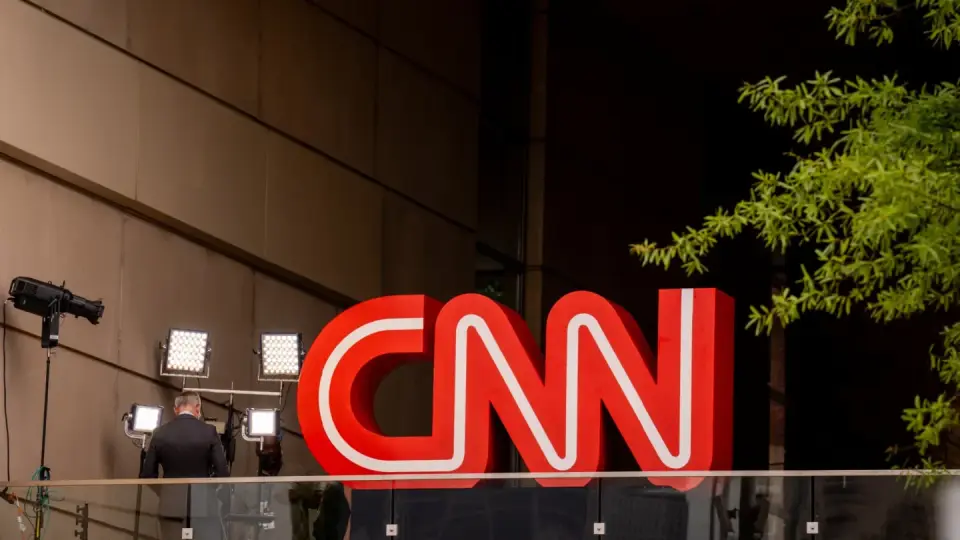
Paramount has agreed to establish an Editorial Independence Board for CNN and CBS News as part of a settlement with 12 state attorneys general, clearing the final major hurdle for its $111 billion acquisition of Warner Bros. Discovery. The board, to be staffed by five experienced journalists, will monitor editorial standards and resolve disputes between newsroom employees and management. While the deal includes other concessions like increased film production spending, critics and media insiders argue the board lacks enforcement power and may be ineffective, citing historical precedents where similar oversight mechanisms failed to prevent owner interference.
Key points
- The settlement requires Paramount to create an Editorial Independence Board within 180 days of the deal closing, composed of five journalists with at least 10 years of experience.
- The board will establish 'News Editorial Principles' focused on accuracy, fairness, and independence, and will resolve disputes regarding alleged reporting bias or violations of these principles.
- Board members will serve three-year terms and cannot be removed for cause; no more than two members can be affiliated with the same political party, and government officials are barred from appointment.
- The board will report to the corporate board via a chief compliance officer but will not have authority over the appointment of newsroom leaders, a limitation critics highlight as a major weakness.
- The settlement also includes commitments to distribute 30 movies in theaters annually and spend an additional $1.5 billion on film production over five years, with a $30 million penalty for failing to meet theatrical release targets.
Background
This development follows months of legal challenges to the Paramount-Warner Bros. Discovery merger, including a lawsuit by 12 states led by California Attorney General Rob Bonta. The merger has raised concerns about the concentration of media power under David Ellison, who has faced criticism for his ties to the Trump administration and recent changes at CBS News, including the appointment of Bari Weiss as editor-in-chief and the firing of several 60 Minutes correspondents. Previous attempts to ensure editorial independence, such as the ombudsman appointed after Skydance's acquisition of Paramount, have been criticized for lacking transparency and effectiveness.
How outlets are covering it
The Hollywood Reporter notes that while the board is a significant concession, its effectiveness is uncertain, comparing it to News Corp's similar board which may be 'more bark than bite.' The Guardian highlights widespread skepticism from media insiders, with former CNN anchor Jim Acosta calling the board a 'colossal mistake' and a CBS staffer describing it as 'utter garbage.' Deadline emphasizes that the board does not restrict the combination of CBS News and CNN or give oversight over leadership appointments, citing concerns about Bari Weiss's influence. Nieman Lab argues that such boards are often 'PR gestures' that owners can circumvent, citing historical examples like Rupert Murdoch's acquisitions of The Times and The Wall Street Journal, where similar oversight mechanisms failed to prevent editorial interference. California Attorney General Rob Bonta stated the board would 'ensure independent, objective, fact-based reporting,' while Connecticut Attorney General William Tong expressed disappointment that full divestiture was not achieved but acknowledged the board's potential to protect editorial independence.
Why it matters
The creation of the Editorial Independence Board is a critical test of whether structural safeguards can protect journalistic integrity in the face of concentrated media ownership. If the board fails to prevent political or corporate interference, it could set a precedent for the erosion of editorial independence across major news organizations, raising broader concerns about the future of objective journalism in the United States.
What to watch
Paramount must appoint the Editorial Independence Board within 180 days of the deal closing. The effectiveness of the board will be closely monitored by media watchdogs, journalists, and the public, with potential legal challenges if it is perceived to fail in its mandate. The merger is expected to close in the coming weeks, after which the board's actions and the newsrooms' responses will determine the long-term impact on CNN and CBS News.
- CNN and CBS News Will Soon Have An “Editorial Independence Board.” Here’s What That Means The Hollywood Reporter
- CNN’s Future Will Include an Editorial Oversight Board The New York Times
- Plan for editorial oversight board at CNN and CBS News draws skepticism: ‘Utter garbage’ The Guardian
- Paramount-WBD Settlement Sets Up Editorial Independence Board For CNN And CBS News Deadline
- David Ellison will get control of CNN after all (and don’t pretend an “independent editorial board” will mean otherwise) Nieman Lab
Want the full story? Read the original reporting
Read on The Hollywood Reporter