Intermountain Management has sold Toggenburg Mountain to local businessman Douglas Wheeler as part of a settlement with the New York Attorney General. The historic ski area, closed since 2021, is planned to reopen for the 2027-28 season. The deal resolves a multi-year antitrust lawsuit alleging Intermountain eliminated competition in the Syracuse market.
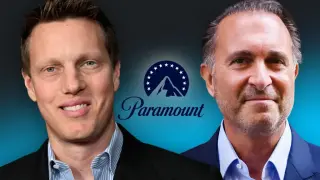
The $110 billion merger between Paramount Skydance and Warner Bros. Discovery is scheduled to close on October 6, 2026, following the approval of an antitrust settlement by U.S. District Judge Araceli Martínez-Olguín. While the deal promises $6 billion in cost savings, Paramount board member Gerry Cardinale insists these reductions will primarily stem from non-labor efficiencies, such as unifying technology stacks and optimizing real estate, rather than mass layoffs. The combined entity, which will be named Skydance, will be co-led by David Ellison and newly appointed co-CEO Ynon Kreiz. The settlement includes a $300 million annual U.S. film production investment and a five-year ban on selling studio lots, but critics argue it lacks structural divestitures and fails to adequately protect workers or ensure editorial independence.
Judge Araceli Martínez-Olguín has delayed approval of the settlement between Paramount Skydance and twelve state attorneys general, citing concerns over collusion and the adequacy of the proposed remedies. The $111 billion merger faces opposition from free speech groups and theater owners who argue the five-year agreement fails to prevent market consolidation. While the deal promises 30 annual theatrical releases and $1.5 billion in domestic production, critics note it lacks mandatory divestitures and may not sustain competitive dynamics after the agreement expires.
CNN CEO Mark Thompson told staff he is enthusiastic about remaining at the network after Paramount's acquisition of Warner Bros. Discovery, though he admitted he lacks details on how the new owner plans to manage news operations. The deal, which places CNN under David Ellison's control, was finalized after Paramount settled antitrust lawsuits with 12 state attorneys general. While the settlement includes a new editorial independence board, critics and employees remain skeptical of its effectiveness, citing recent controversial changes at CBS News.
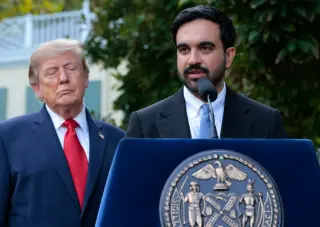
New York Mayor Zohran Mamdani has sharply criticized the Paramount-Warner Bros. Discovery merger, labeling it a 'shameful monument to corruption' in a post on X. This condemnation follows the announcement that Paramount reached a settlement with 12 state attorneys general and the Writers Guild of America, clearing the final legal barriers to the $111 billion deal. While Mamdani praised New York Attorney General Letitia James for securing worker protections, he accused federal leaders of enabling billionaire control over media. The settlement, which includes commitments to maintain film output and preserve studio lots, has divided industry observers, with some calling it a victory for the Ellisons and others warning of potential job losses and reduced competition.
Paramount has settled antitrust lawsuits with 12 state attorneys general, clearing the path for its $81 billion acquisition of Warner Bros. Discovery. The deal, expected to close in October, will place CNN under the control of CEO David Ellison. Staffers at CNN are in a state of panic, fearing massive layoffs and editorial overhauls similar to those already implemented at CBS News under Bari Weiss. While the settlement includes a new editorial independence board, industry experts and employees remain skeptical of its effectiveness.
Paramount Skydance and 12 state attorneys general reached a settlement on September 21, 2026, clearing the final legal obstacle to the $111 billion acquisition of Warner Bros. Discovery. The deal includes a $1.5 billion production investment and newsroom safeguards but lacks structural divestitures, prompting industry insiders to anticipate multiple rounds of layoffs within two weeks.
Paramount Skydance and Warner Bros. Discovery have reached a settlement with 12 state attorneys general, clearing the final legal barrier to their $110 billion merger. The deal, expected to close by early October, will create a media giant combining HBO Max and Paramount+, but it carries a net debt of $77.2 billion. Wall Street analysts view the combined streaming service as a potential powerhouse, while critics remain concerned about editorial independence and market concentration.
Paramount has agreed to establish an Editorial Independence Board for CNN and CBS News as part of a settlement with 12 state attorneys general, clearing the final major hurdle for its $111 billion acquisition of Warner Bros. Discovery. The board, to be staffed by five experienced journalists, will monitor editorial standards and resolve disputes between newsroom employees and management. While the deal includes other concessions like increased film production spending, critics and media insiders argue the board lacks enforcement power and may be ineffective, citing historical precedents where similar oversight mechanisms failed to prevent owner interference.
David Ellison is poised to complete his $111 billion acquisition of Warner Bros. Discovery after a settlement with 12 states resolved the final antitrust obstacle. The merger will create a media conglomerate of unprecedented scale, combining Paramount and Warner Bros. under one owner for the first time in Hollywood history.
The combined Paramount-Warner Bros. Discovery slate already includes 36 films for 2027, exceeding the 30-film annual quota required by the state antitrust settlement. However, the 2028 schedule currently lists only 25 releases, requiring five additional titles to meet the same threshold. The merger is expected to close in approximately two weeks, with leadership structures and marketing strategies still being finalized.
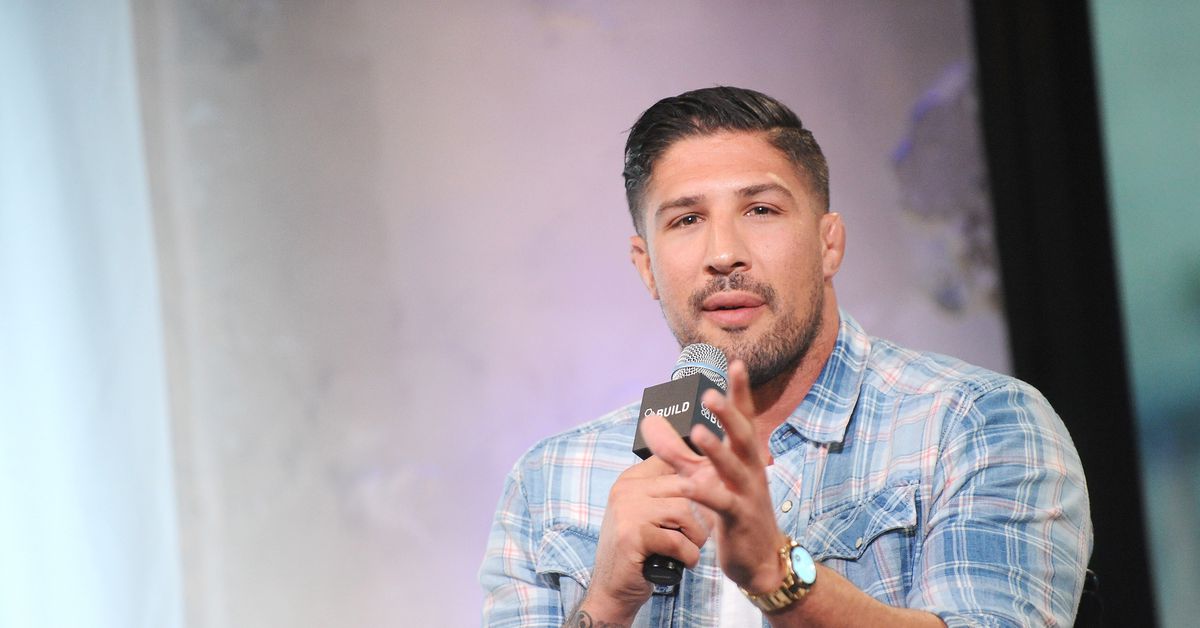
Brendan Schaub criticizes Renato Moicano for refusing a share of the $375 million UFC antitrust settlement, arguing that fighters are often misinformed and underpaid, and that accepting the settlement does not harm their relationship with UFC but benefits their earnings.
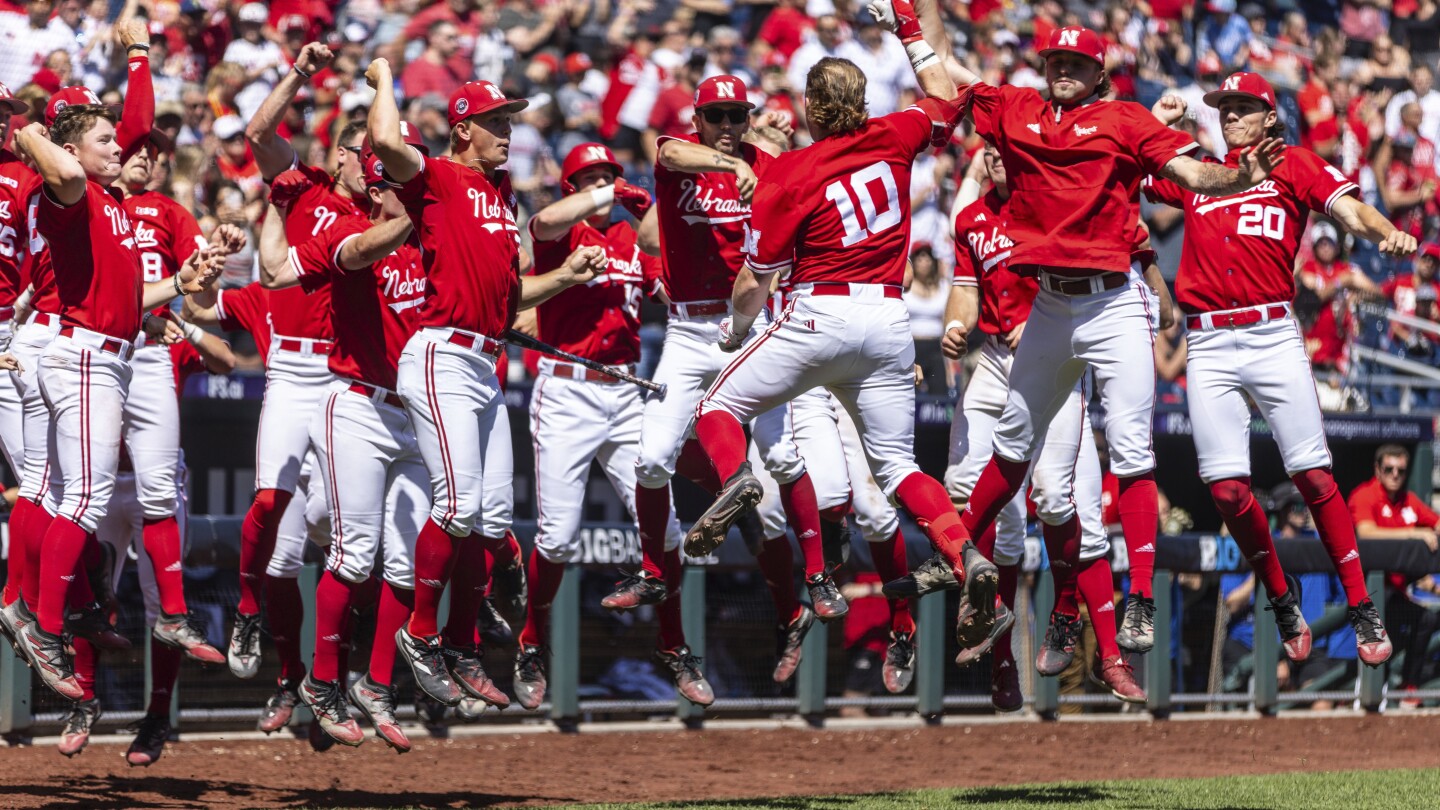
The NCAA and its five largest conferences have proposed a significant antitrust settlement and athlete revenue-sharing plan, which could drastically alter scholarship limits and roster sizes across college sports. This change, expected to take effect by fall 2025, may lead to more scholarships for revenue-generating sports like football and basketball, while also potentially fully funding programs like baseball and softball. However, financial constraints may force schools to make tough decisions on which sports to invest in, and the new landscape could attract unscrupulous intermediaries.
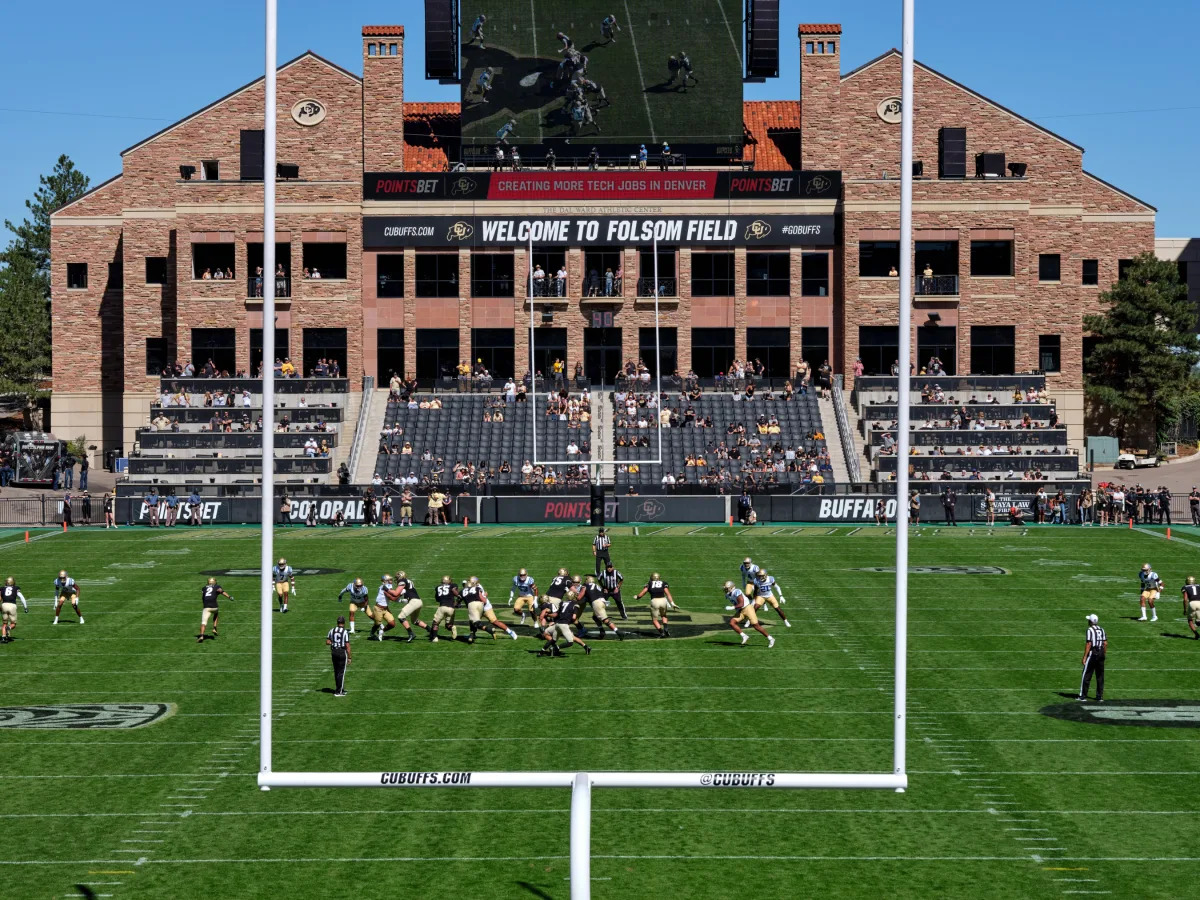
The NCAA's $2.8 billion settlement in a class-action antitrust lawsuit could allow Division I athletes to be paid directly by their schools, marking a historic shift in college sports. This decision has sparked widespread trepidation and confusion, particularly among smaller institutions and low-profile sports programs, about the financial and operational impacts. Concerns also arise regarding fair compensation for female athletes and the broader implications for the future of collegiate athletics. The settlement is seen as a significant milestone but not the final resolution in the evolving landscape of college sports.
The NCAA and five power conferences have agreed to a multi-billion dollar settlement in antitrust lawsuits, allowing direct payments to college athletes and backpay dating to 2016. This historic change will challenge universities, especially smaller programs, and may lead to the end of athletic scholarships and walk-on athletes. The settlement aims to address long-standing issues of fairness and compensation in college sports, but many questions and logistical challenges remain.