
60 Minutes premiere draws worst ratings in a decade amid Weiss overhaul
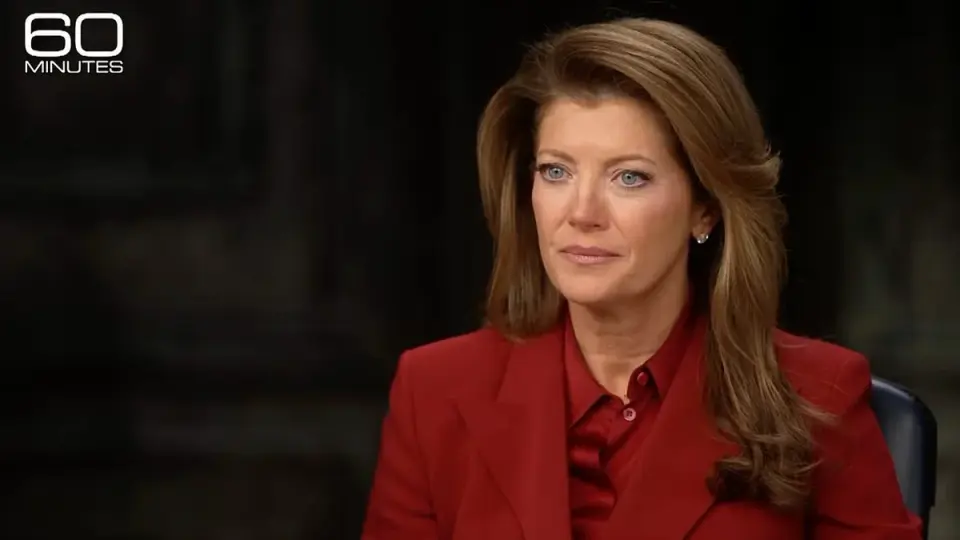
The 59th season of 60 Minutes premiered on September 13, 2026, with a significant drop in traditional viewership. Nielsen data shows the episode averaged 7.9 million viewers, down 21% from the previous season’s 10 million. The 25-54 demographic fell 33%. CBS News editor-in-chief Bari Weiss and executive producer Nick Bilton have faced criticism for firing veterans like Scott Pelley and Anderson Cooper, though the show added new contributors including Ross Douthat and Norah O’Donnell. CBS defended the premiere by highlighting a 201% increase in digital video views, but industry observers note that broadcast ad revenue remains far more lucrative than digital metrics. The premiere featured segments on pardon brokers, the Los Angeles Rams, and an Air Force officer rescued from Iran, but did not address the recent internal scandals.
Key points
- The 60 Minutes season premiere averaged 7.9 million viewers, a 21% decline from last year’s 10 million.
- The 25-54 advertising demographic dropped 33% to 1.6 million viewers, marking the worst premiere in the century.
- Bari Weiss, CBS News editor-in-chief, hired Nick Bilton as executive producer, leading to the firing of Scott Pelley and Anderson Cooper.
- New contributors include Ross Douthat, Norah O’Donnell, Sebastian Junger, Gianna Toboni, and Trevor Phillips.
- CBS cited 116.7 million social video views and a 115% increase in YouTube watch time to counter the broadcast ratings drop.
- The premiere included segments on pardon brokers, the Los Angeles Rams, and an Air Force officer rescued from Iran, but ignored the internal staffing turmoil.
Background
Bari Weiss was installed as CBS News editor-in-chief in 2025 following the Paramount-Skydance merger and the appointment of David Ellison as CEO. Her tenure has been marked by significant restructuring of CBS News programs, including 60 Minutes. Previous archive coverage from September 2026 noted early ratings dips and behind-the-scenes turmoil, including the acrimonious firing of Scott Pelley. The current premiere follows a summer of controversy and staff discontent, with Weiss prioritizing a modern overhaul of the decades-old newsmagazine.
How outlets are covering it
Zeteo’s Justin Baragona characterized the premiere as a ratings disaster, citing internal CBS staff who described the show as a 'Frankenstein' of mismatched pieces and warned that the season is in trouble. USA Today reported the 21% viewership drop and noted that the premiere did not address the firing of Pelley or the management changes, while highlighting CBS’s emphasis on digital metrics. Business Insider’s analysis from media figures like Brian Steinberg and Tim Miller criticized the show for relying on familiar faces and failing to deliver the promised modern makeover, with Miller specifically criticizing the pardon broker segment for focusing on minor figures rather than systemic corruption. CNN’s coverage, though partially obscured by technical data, confirmed the viewership decline and the context of the Weiss-led overhaul.
Why it matters
The ratings drop signals a potential shift in the traditional broadcast model for 60 Minutes, a long-standing flagship of CBS News. The reliance on digital metrics to counter broadcast declines highlights the evolving revenue landscape for network television. The internal turmoil and high-profile firings under Weiss and Bilton may affect the show’s long-term credibility and audience trust, particularly as it attempts to modernize its format and contributor lineup.
What to watch
CBS will continue to promote the 60 Minutes season, likely emphasizing digital reach and new segments. The network may face further scrutiny if broadcast ratings continue to decline. The integration of new contributors like Ross Douthat and Sebastian Junger will be closely watched to see if they can attract a broader audience. The ongoing tension between traditional broadcast metrics and digital engagement will remain a key factor in the show’s future strategy.
- ‘60 Minutes’ Is Now 'Dead' and Bari'd Zeteo
- An overhauled ‘60 Minutes’ sheds viewers in season premiere CNN
- '60 Minutes' has steep ratings decline in season premiere after changes at CBS USA Today
- What Smart People Are Saying About the '60 Minutes' Relaunch Business Insider
- Refurbished ‘60 Minutes’ Debuts to a 19% Ratings Drop Yahoo
Want the full story? Read the original reporting
Read on Zeteo