
Iranian singer Parastoo Ahmadi and four colleagues flogged for 2024 hijab-free performance
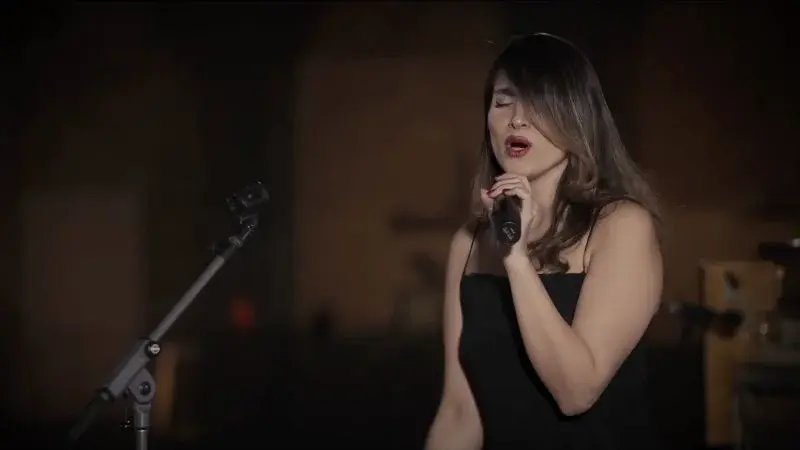
Iranian singer Parastoo Ahmadi and four members of her production team were flogged 74 times each in Qom on Monday, November 23, 2026. The punishment follows a conviction for 'offending public decency' related to a December 2024 online concert where Ahmadi performed without the mandatory hijab. The five individuals also face two-year bans on artistic activities and foreign travel. Human rights organizations condemn the flogging as torture, while Iranian authorities maintain the actions uphold public decency laws. The case highlights ongoing tensions over compulsory veiling and artistic expression in Iran.
Key points
- Parastoo Ahmadi, 29, and four male colleagues (Mohsen Lashkari, Soheil Faghih-Nasiri, Amin Taheri, and Amir-Ali Pirnia) received 74 lashes each at the Sentence Enforcement Unit of the Qom Prosecutor’s Office on Monday, November 23, 2026.
- The punishment stems from a conviction in June 2026 for 'offending public decency' through the production and dissemination of 'obscene and immoral content online,' specifically a video of Ahmadi's 'Caravanserai Concert' released in December 2024.
- The concert, filmed at the historic Deir-e Gachin Caravanserai near Qom, featured Ahmadi singing in a sleeveless dress without a hijab alongside male musicians, violating Iran's mandatory dress code and ban on public female performances.
- In addition to flogging, the five individuals were banned from artistic and musical activities and foreign travel for two years. An appeals court upheld the sentence in September 2026.
- Human rights groups, including Amnesty International and the Center for Human Rights in Iran, condemned the flogging as cruel, inhuman, and degrading, and a violation of international law. Iranian authorities rejected criticism, stating Western countries should focus on their own human rights issues.
Background
This case follows the 2022 nationwide protests in Iran triggered by the death of Mahsa Amini, a Kurdish woman detained for allegedly violating hijab rules. Since then, many women have defied compulsory veiling, leading to periodic arrests and crackdowns. In January 2026, another wave of protests erupted due to economic crisis, resulting in thousands of deaths and arrests. The flogging of Ahmadi and her team occurs amid increased use of the death penalty against protesters and ongoing pressure on female performers, such as singer Hiva Seyfizadeh, who was sentenced to four years in prison in February 2025 for performing traditional music.
How outlets are covering it
CNN and BBC emphasize the legal proceedings and the defiance of hijab rules, noting the conviction for 'offending public decency' and the two-year bans. The Guardian and Al Jazeera highlight the international condemnation of flogging as torture and Iran's rejection of such criticism. All sources agree on the facts of the flogging and the 2024 concert but differ in emphasis: CNN and BBC focus on the legal details and the role of the hijab, while The Guardian and Al Jazeera stress the human rights implications and Iran's response to Western criticism. BBC also notes the broader context of protests and executions since 2022, while CNN mentions the case of singer Hiva Seyfizadeh as part of ongoing pressure on female performers.
Why it matters
The flogging of Parastoo Ahmadi and her team underscores the Iranian government's strict enforcement of compulsory hijab and restrictions on artistic expression, particularly for women. It highlights the risks faced by individuals who defy these rules, even for online performances. The case also reflects the broader pattern of human rights abuses in Iran, including arbitrary detention and flogging, which have drawn international criticism. The punishment may deter others from challenging the dress code or engaging in public performances, further suppressing freedom of expression and women's rights in Iran.
What to watch
Ahmadi and her colleagues may face further restrictions due to the two-year bans on artistic activities and foreign travel. Human rights organizations are likely to continue advocating for their release and condemning the flogging. Iranian authorities may face increased international pressure over human rights violations. The case could inspire further defiance of hijab rules or, conversely, deter others from challenging the dress code. Monitoring of similar cases and potential appeals or international interventions will be key developments.
- Iran flogs female singer and four members of concert team over her performance without hijab CNN
- Iranian authorities flog singer who performed without hijab, lawyers say BBC
- Iranian singer and four others receive lashes after performance without hijab The Guardian
- Iran flogs singer Parastoo Ahmadi for performing without headscarf Al Jazeera
- Appeals Court Upholds Lashing Sentence for Iranian Female Singer and Co-Defendants IranWire
Want the full story? Read the original reporting
Read on CNN