
Why the cello is cinema’s most expressive on-screen voice
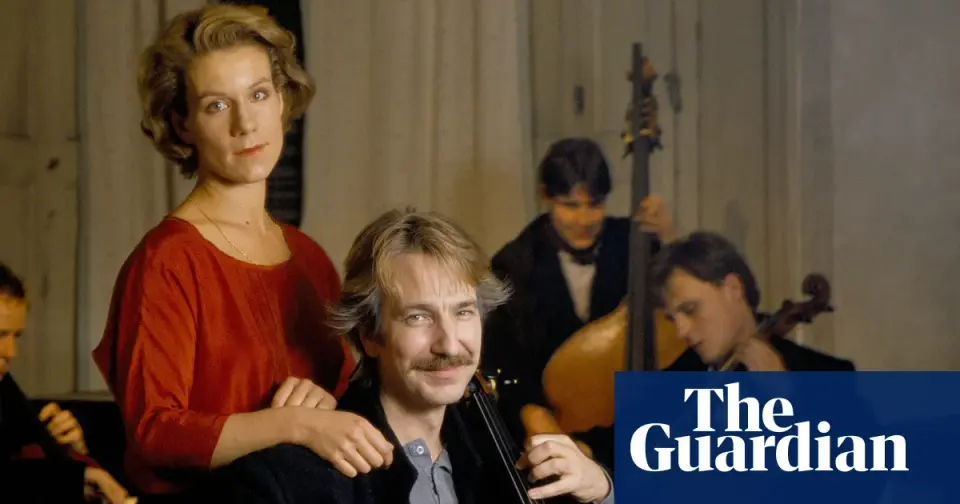
Cinema has long used the cello as a vocal-like, emotionally expressive instrument—from Audrey Hepburn’s cellist to Hilary and Jackie—making it a natural screen partner across genres. Its human timbre and visible bowing help cellists become central, emotionally intelligent figures on screen, capable of conveying longing, sorrow, or menace. Filmmakers and musicians like Hildur Guðnadóttir and David Cohen describe the cello as the orchestra’s empath and even compare its impact to a key acting role, explaining why it routinely shapes character and mood in scores from Tár to The Perfection and beyond. The piece also treats the cello as a symbolic, almost bodily presence that invites comparisons to the human voice, suggesting cinema’s ongoing love affair with the instrument—and even a cheeky nod to a future best bowed string instrument award.
Want the full story? Read the original reporting
Read on The Guardian