Aryna Sabalenka was fined $7,500 for smashing a racket after losing the U.S. Open final to Elena Rybakina; the piece argues the criticism of her temper is overblown given the extreme pressure of Grand Slam finals, notes her history of emotional outbursts and apologies, and suggests that passion and frustration are part of elite sport rather than a character flaw.
Matt Brown defended Usman Nurmagomedov, calling the post-knockout moment with Song Yadong at UFC Shanghai a “nothing burger” and saying Usman wasn’t trying to strike Yadong, instead focused on checking his brother. He shared his own experiences with emotionally charged corners in MMA and suggested that having a close relative in the corner can complicate things, especially in chaotic moments.
Deshaun Watson said his boisterous reaction after being booed at a preseason game was an emotional response, not a personal attack on fans, and he committed to focusing on football as Cleveland’s starter, hoping his performance will win back the home crowd by Week 3.
A Noema feature argues that conscious experience could emerge from a finite set of primitive feelings generated by deep-brain circuits, with the cortex supplying content while ancient subcortical systems arbitrate motivation; AI milestones showing cognition without consciousness prompt a shift to locating consciousness in deep brain rather than cortex and integrating consciousness research with mainstream neuroscience, using AI analysis and non-invasive stimulation to test these mechanisms.
Eight dogs scanned with fMRI showed that happy human faces strongly activate the temporal cortex and caudate, while fear, sadness, and anger trigger distinct whole-brain patterns, indicating dogs can differentiate these emotions at the neural level—though they also rely on body language, voice, and scent in real interactions.
A study with 14 dogs in brain scanners found that seeing happy, smiling human faces activates the dogs’ reward-related brain circuitry, suggesting positive expressions have intrinsic value for dogs. The researchers note that dogs can distinguish positive emotions from negative ones, though they don’t differentiate among different negative emotions, and argue that domestication shaped dogs’ social brains. The work reinforces the idea that smiling at dogs can be a rewarding way to communicate with them.
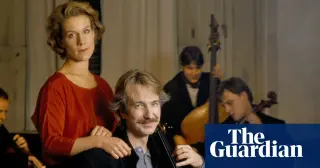
Cinema has long used the cello as a vocal-like, emotionally expressive instrument—from Audrey Hepburn’s cellist to Hilary and Jackie—making it a natural screen partner across genres. Its human timbre and visible bowing help cellists become central, emotionally intelligent figures on screen, capable of conveying longing, sorrow, or menace. Filmmakers and musicians like Hildur Guðnadóttir and David Cohen describe the cello as the orchestra’s empath and even compare its impact to a key acting role, explaining why it routinely shapes character and mood in scores from Tár to The Perfection and beyond. The piece also treats the cello as a symbolic, almost bodily presence that invites comparisons to the human voice, suggesting cinema’s ongoing love affair with the instrument—and even a cheeky nod to a future best bowed string instrument award.
A crash on stage 15 sidelines Jonas Vingegaard, turning one of cycling’s best endurance athletes into a humbled, human figure. The writer, holding a sleeping child, reflects on the inevitability and vulnerability of elite sport, balancing grief at his exit with a lingering sense of hope as the Tour continues.
Argentina were edged 1-0 by Spain in the World Cup Final after Ferran Torres' 106th-minute goal, with Messi visibly emotional as Spain dominated and Emiliano Martínez made 11 saves; Messi had set the record for most World Cup goals in this tournament before Mbappé overtook him, and while he has two Golden Balls and led Argentina to the 2022 title, his 2026 World Cup participation remains uncertain.
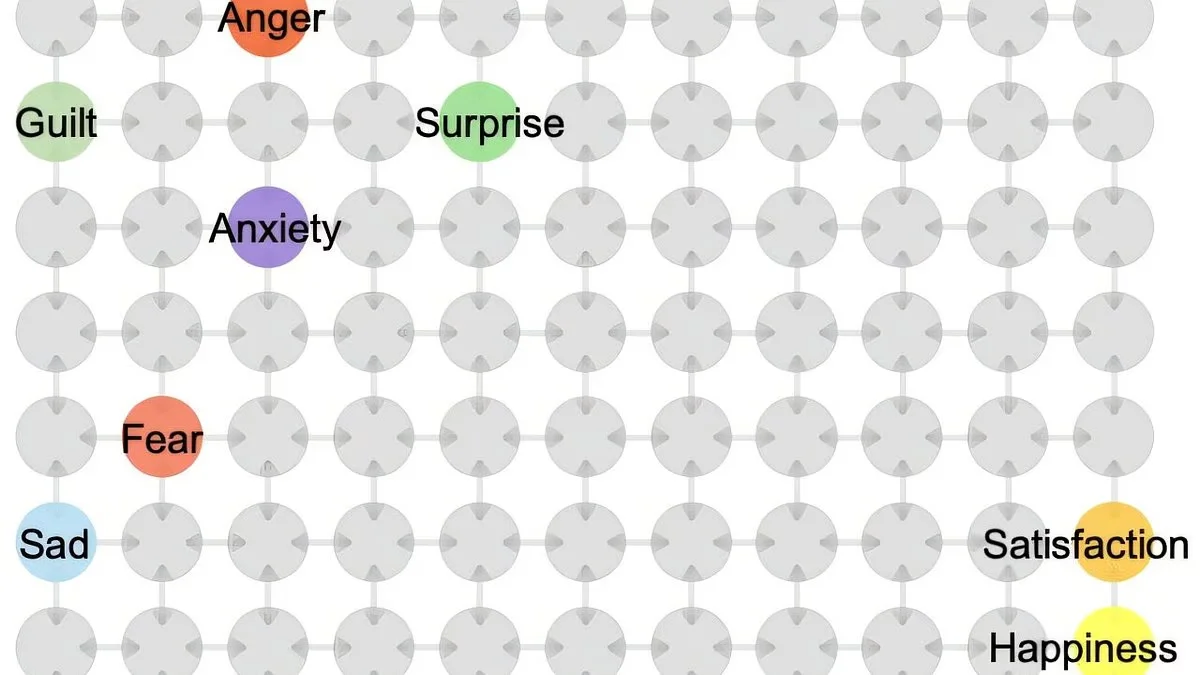
Researchers used AI to analyze brain MRI data while participants watched movie clips, creating an artificial 'mental map' that places emotions along axes of pleasantness and bodily response. The study found clear groupings, with anger, disgust, and guilt clustering near fear, and happiness, satisfaction, and warmth clustering separately, helping explain why anger can feel similar to fear and informing future mental-health research.
A Golden Retriever puppy named Mochi acts offended when her family eats without her, yelping and draping dramatically over the couch as if she deserves a seat at the dinner table. The clip highlights how Goldens are famously expressive, a trait researchers tie to genetics: a Cambridge study found overlap between canine and human emotional traits, linking certain genes to traits like trainability, energy, fear, social behavior, and emotional sensitivity. The takeaway is that a Golden’s dramatic mood swings may be biologically wired—and part of what makes them so endearingly lovable.
The piece argues anger is a normal emotion for kids and that boys often externalize it. It offers practical strategies for parents: help children label their feelings to increase awareness, soothe them calmly to model self-regulation, and use appropriate consequences for aggressive behavior. Recognize individual differences and gender patterns, and seek professional help if anger is frequent or pervasive across settings (home, school). The goal is to let kids feel anger while teaching them not to act on it with aggression.
The horoscope for December 27, 2025, suggests a day of heightened emotions, potential challenges in communication and relationships, and advises caution in interactions with authority figures and loved ones, with specific guidance for each zodiac sign.
On December 25, 2025, the Moon in Pisces influences four zodiac signs—Taurus, Gemini, Libra, and Scorpio—bringing heightened emotions, insights, and opportunities for self-awareness and growth, encouraging positive thinking and intuitive decision-making.
The horoscope for December 22, 2025, advises caution in emotional and financial dealings, highlights the influence of the moon in Aquarius, and suggests a day of introspection, careful communication, and awareness of intense feelings, especially in relationships and personal pursuits.