
Late-Night Hosts Mock Trump’s Deflection After Democratic Midterm Landslide
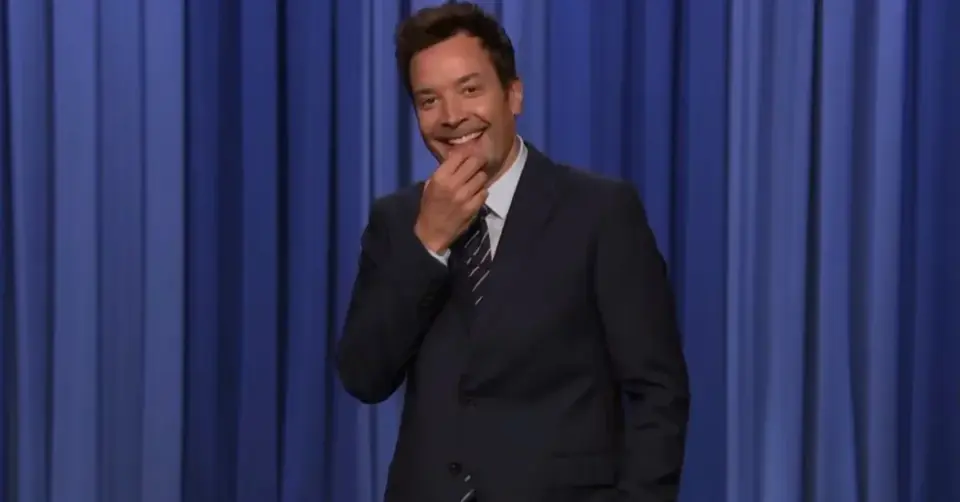
Late-night television hosts used their monologues to mock President Donald Trump for deflecting blame after a historic Democratic victory in the 2026 midterm elections. Jimmy Kimmel, Jimmy Fallon, and Seth Meyers ridiculed the president’s claim that he was not on the ballot, highlighting his contradictory campaign rhetoric and the subsequent distancing of Republican allies. The broadcast segments drew massive online engagement, with Kimmel’s monologue alone accumulating over eight million views within 24 hours.
Key points
- Democrats achieved a historic 'blue wave' victory, gaining seven Senate seats, 25 House seats, and five governorships.
- President Trump claimed he was not on the ballot and would have won a landslide, a statement mocked by all three hosts.
- Jimmy Kimmel’s monologue, taped later than usual to capture early results, received over eight million views by Wednesday afternoon.
- Republicans began distancing themselves from the president, with Vice President JD Vance and others facing public scrutiny.
- Trump blamed Fox News and Governor Greg Abbott for the losses while taking no personal responsibility.
Background
This follows earlier coverage from November 5, 2026, where Kimmel called for Trump’s resignation after the initial results emerged. The current developments focus on the broader media reaction and the internal Republican fallout, rather than the initial shock of the election night results.
How outlets are covering it
The New York Times emphasized the internal Republican fracture, noting that figures like JD Vance were distancing themselves from the president. Rolling Stone and Mashable focused heavily on Kimmel’s specific verbal attacks, highlighting his frustration with Trump’s 'spoiled child' behavior. CBC provided the most detailed breakdown of the electoral math, citing specific losses in Texas and South Carolina, while also noting the $183 million spent on anti-trans ads that failed to sway voters. All sources agree that the late-night reaction was a unifying theme across the political spectrum, with even conservative-leaning outlets acknowledging the scale of the Democratic win.
Why it matters
The late-night reaction signals a significant shift in the cultural and political narrative, moving from election night shock to a sustained critique of presidential accountability. The massive viewership of these segments indicates high public engagement with the political fallout, suggesting that the 'blue wave' may have broader implications for the president’s remaining term and the upcoming legislative session.
What to watch
The Democratic majority in both chambers of Congress is expected to take effect in January 2027. The immediate focus will shift to how the new leadership handles the president’s executive orders and whether the distancing of Republican allies leads to further internal party fractures or a unified opposition strategy.
- Late Night Finds Trump Supporters Jumping Ship The New York Times
- Late-Night Hosts React to Election Results: ‘Like a Reverse Jan. 6’ Rolling Stone
- Jimmy Kimmel has a blunt reaction to Trump 'blaming everyone other than him' for midterm results Mashable
- Jimmy Kimmel roasts Trump in late night monologue amid 'blue tsunami' midterms CBC
- ‘Dreams Do Come True’: Celebrities React as Democrats Sweep to Power In 2026 Midterm Election Billboard
Want the full story? Read the original reporting
Read on The New York Times