politics-and-media1 min read
Lame-Duck Deadline Looms as Hollywood Tax Credit Faces Post-Midterm Gridlock
10 days ago•Source: Politico
View original source
The latest politics and media stories, each synthesized from multiple sources with added background and context.
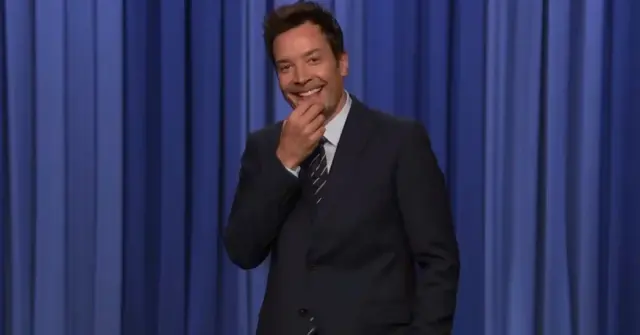
Late-night television hosts used their monologues to mock President Donald Trump for deflecting blame after a historic Democratic victory in the 2026 midterm elections. Jimmy Kimmel, Jimmy Fallon, and Seth Meyers ridiculed the president’s claim that he was not on the ballot, highlighting his contradictory campaign rhetoric and the subsequent distancing of Republican allies. The broadcast segments drew massive online engagement, with Kimmel’s monologue alone accumulating over eight million views within 24 hours.
Montana Free Press•1 month ago
Jimmy Kimmel mocked President Trump’s dismissal of AI risks as a 'hoax' on Thursday, suggesting the only way to make the President take the technology seriously is to tell him ChatGPT will release the Epstein files. Kimmel also joked that Trump’s supporters might be suffering from poor brain circulation due to their hats.
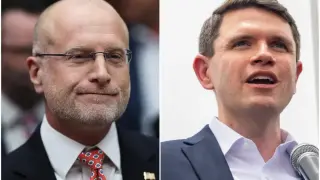
FCC Chairman Brendan Carr accused Texas Senate candidate James Talarico of staging a 'hoax' to generate donations by appearing on Jimmy Kimmel's show, which ABC moved to YouTube to avoid potential regulatory retaliation. While Carr argues the equal-time rule ensures fair competition, Kimmel and Talarico describe the move as government censorship, with the interview garnering over 7 million views online.

Israeli Culture Minister Miki Zohar has threatened to revoke the citizenship of directors Yuval Abraham and Rachel Szor for their documentary NAZA, which won a record-breaking ovation at the Venice Film Festival. The film, produced by The Guardian, features testimonies from 24 Israeli whistleblowers alleging that AI-powered targeting systems in Gaza prioritize civilian casualties. While the Israeli military rejects the claims as unverifiable, the directors argue that denying the reality of the conflict allows it to persist.
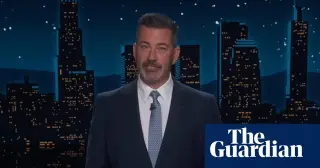
Late-night hosts mocked the Republican National Committee’s underattended midterm convention in Dallas and the controversy surrounding New York Mayor Zohran Mamdani’s 9/11 remembrance. Simultaneously, Jimmy Kimmel is negotiating a new one-year contract with ABC amid declining ad revenue and political pressure from the FCC.
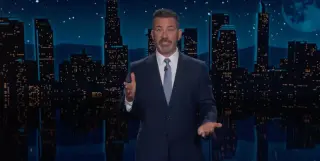
Jimmy Kimmel announced that his interview with Texas Senate candidate James Talarico will not air on ABC television but will be posted exclusively on YouTube. The decision follows threats from the Federal Communications Commission (FCC) regarding ABC’s station licenses. This marks the second instance this year where a late-night host has moved a Talarico interview online due to regulatory pressure, following a similar move by Stephen Colbert in February.
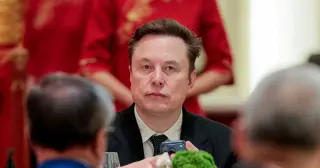
Filmmaker Alex Gibney’s upcoming documentary, 'Musk,' features an insider quote describing the tech billionaire as the 'most miserable man' he has ever met. The film, which premieres this fall, examines Musk’s political influence, including his $290 million donation to Donald Trump’s 2024 campaign and his role in dismantling USAID programs via the 'DOGE' squad. Gibney argues that Musk’s unchecked power and access to data on tens of millions of Americans stem from a desire to fill internal bleakness, leading to public feuds, such as his recent clash with President Trump over the Epstein files.
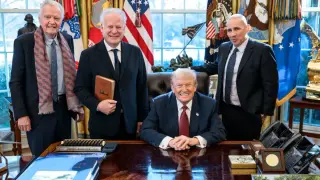
President Donald Trump has publicly endorsed a federal tax incentive for film and television production, urging Congress to pass legislation immediately to retain jobs and production in the United States. The push, driven by a coalition led by actor Jon Voight and producers Steven Paul and Scott Karol, cites the loss of thousands of jobs to countries with competitive incentives. While unions like SAG-AFTRA and IATSE have expressed support, critics note the lack of concrete legislative details and question the sincerity of the bipartisan effort.
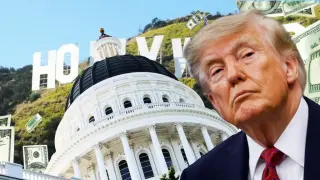
President Donald Trump officially endorsed a federal tax incentive for film and television production on August 31, 2026, urging Congress to pass legislation immediately to retain entertainment jobs in the United States. The move follows a meeting with actor Jon Voight, a self-appointed Hollywood ambassador, and aligns with a broader industry push to counter the loss of productions to countries like Canada and the UK. While industry leaders and some lawmakers support the measure, specific details on the credit’s structure remain undefined, and the initiative faces scrutiny regarding its long-term viability.

Transportation Secretary Sean Duffy’s six-episode YouTube series, 'The Great American Road Trip,' debuted in August 2026 to poor reception and low viewership. Critics and media figures, including John Oliver, condemned the show as a vanity project with significant ethical conflicts, noting its funding by companies regulated by Duffy’s department. While Duffy framed the series as a patriotic celebration of America’s 250th anniversary, outlets described it as a poorly executed mix of travel and reality TV that failed to engage audiences or justify its production costs.

John Oliver criticized Transportation Secretary Sean Duffy’s new YouTube series, The Great American Road Trip, for prioritizing family drama over travel and raising ethical concerns. The show, funded by sponsors regulated by the Department of Transportation, received low viewership and drew scrutiny over Duffy’s past reality TV appearances and conflicts of interest.