
Court orders Kennedy Center to pay $252k to musician who boycotted Trump-named venue
A D.C. judge has ordered the Kennedy Center to pay over $250,000 in legal fees to jazz musician Chuck Redd after dismissing the institution's lawsuit against him. Redd had canceled his annual Christmas Eve performance in protest of the center's board voting to add President Donald Trump's name to the building's facade. The court found no valid contract existed and that the suit was an attempt to silence protected opposition.
Key points
- Judge Tanya M. Jones Bosier ordered the Kennedy Center to pay $252,000 in legal fees and costs to Chuck Redd within 45 days.
- The center sued Redd in March for breaching a contract after he canceled his Christmas Eve jazz concert to protest the addition of Trump's name to the venue.
- The court dismissed the lawsuit in June, finding that Redd never signed an agreement and that the center failed to state a valid breach of contract claim.
- The Kennedy Center intends to appeal the decision, while Redd's attorneys called the suit a meritless attempt to silence opposition.
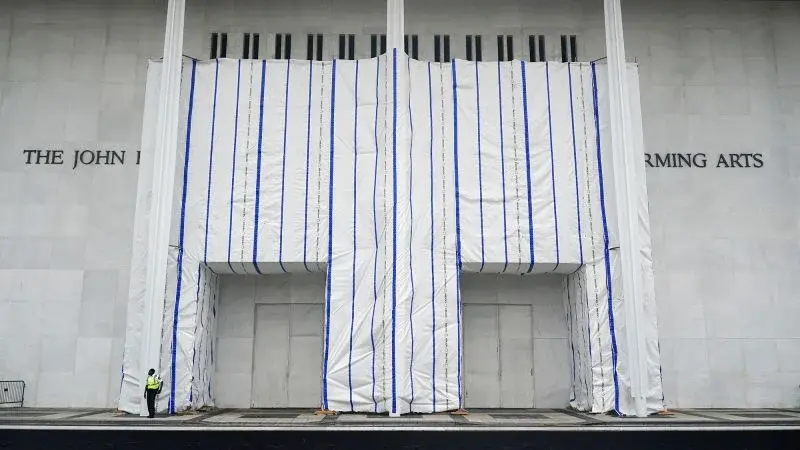
- Trump's name was removed from the building's exterior and website in June following a separate legal dispute.
Background
This ruling follows a series of legal battles surrounding the Kennedy Center's governance and branding. In July, an appeals court denied a stay on a lower-court order requiring the removal of Trump's name from the facade, which had been covered by a tarp. The center had also faced a union lawsuit in May regarding job cuts. This case is part of a broader pattern of legal challenges involving the institution's leadership and its relationship with the Trump administration.
How outlets are covering it
CNN and The New York Times emphasize the retaliatory nature of the suit, noting that the center's former president, Richard Grenell, had threatened Redd with a $1 million lawsuit and called his cancellation a 'political stunt.' The Washington Post focuses on the procedural outcome, highlighting that the judge tossed the suit in June before ordering the fee payment this week. All three outlets agree that the core issue was the lack of a signed contract, but CNN and The New York Times place greater weight on the First Amendment implications of suing a performer for protesting a name change, while The Washington Post frames it primarily as a contract dispute resolved in the artist's favor.
Why it matters
The ruling sets a precedent for the limits of institutional retaliation against artists who protest political changes in cultural venues. It signals that the Kennedy Center's attempt to use contract law to punish a performer for exercising free speech was legally unfounded, potentially discouraging similar lawsuits against other artists who have pulled out of shows in protest of the center's leadership or branding decisions.
What to watch
The Kennedy Center has stated it intends to appeal the decision. The center must pay the $252,000 in legal fees within 45 days of the ruling. The broader legal battle over the name change continues, with the center weighing renovation options after the name was removed from the facade in June.
- Judge orders Kennedy Center to pay $250,000 to performer who canceled show over addition of Trump’s name CNN
- Judge Awards $250,000 to Musician Who Fled Trump-Led Kennedy Center Gig The New York Times
- Kennedy Center must pay $250,000 in legal fees to musician who canceled in protest NPR
- Kennedy Center must pay over $250,000 to artist who opposed Trump name change The Washington Post
- Kennedy Center to Cover $250,000 Legal Fees of Jazz Musician Who Protested Trump Takeover Yahoo
Want the full story? Read the original reporting
Read on CNN