
Millennial Men Are Redefining Domestic Roles by Taking Over the Kitchen
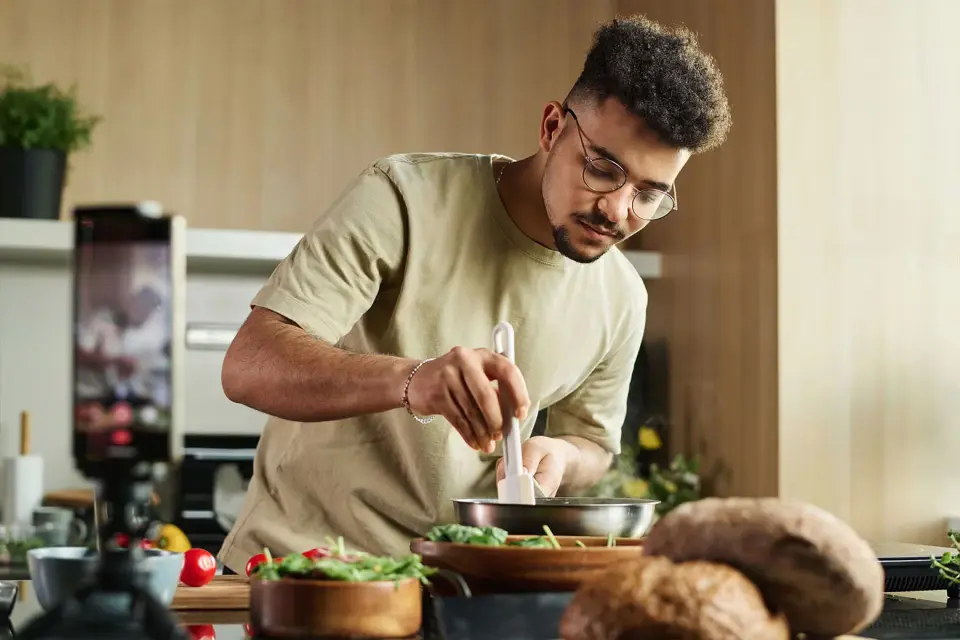
A 2026 Slate article by Luke Winkie highlights a shift in household dynamics, noting that men are increasingly taking on the primary role of home cook. Citing a 2025 report by Laina Ewoldt, the piece notes that the percentage of men who cook regularly rose from 36% to 52% between 2003 and 2023, with college-educated men showing the largest increase. Winkie attributes this change to the influence of casual cooking media, the pandemic, and a generational preference for cooking as a 'fun' chore over other domestic tasks. While this shift is seen as positive for gender equality, critics note it may simply redistribute labor rather than eliminate the imbalance of household responsibilities.
Key points
- A 2025 report by Laina Ewoldt found that the percentage of men who cook regularly increased from 36% to 52% between 2003 and 2023, with college-educated men showing the largest increase.
- Winkie attributes the rise in male home cooking to the influence of casual cooking media like Bon Appétit Test Kitchen, the pandemic, and a generational preference for cooking as a 'fun' chore over other domestic tasks.
- While this shift is seen as positive for gender equality, critics note it may simply redistribute labor rather than eliminate the imbalance of household responsibilities, as women still handle more tedious chores like cleaning and laundry.
Background
Historically, cooking was a predominantly female domestic chore, with men typically only cooking for special occasions. The 2020s have seen a shift, with more men taking on regular cooking duties, particularly among college-educated millennials. This trend is part of a broader reevaluation of gender roles in the household, though it remains uneven, with women still handling more overall domestic labor.
Why it matters
The shift in cooking responsibilities reflects a broader change in gender roles and domestic labor, potentially impacting relationship dynamics and gender equality. It highlights how cultural and technological changes can reshape traditional household roles, though it also raises questions about whether this shift truly balances domestic labor or simply redistributes it.
What to watch
The trend of men taking on more cooking duties is likely to continue, particularly among younger, college-educated demographics. However, the overall balance of domestic labor may remain uneven, with women still handling more tedious chores. Future research may explore the long-term impacts of this shift on gender equality and household dynamics.
Want the full story? Read the original reporting
Read on Slate