
AI Studios Redefine Hollywood Production Amid Labor and Creative Debates
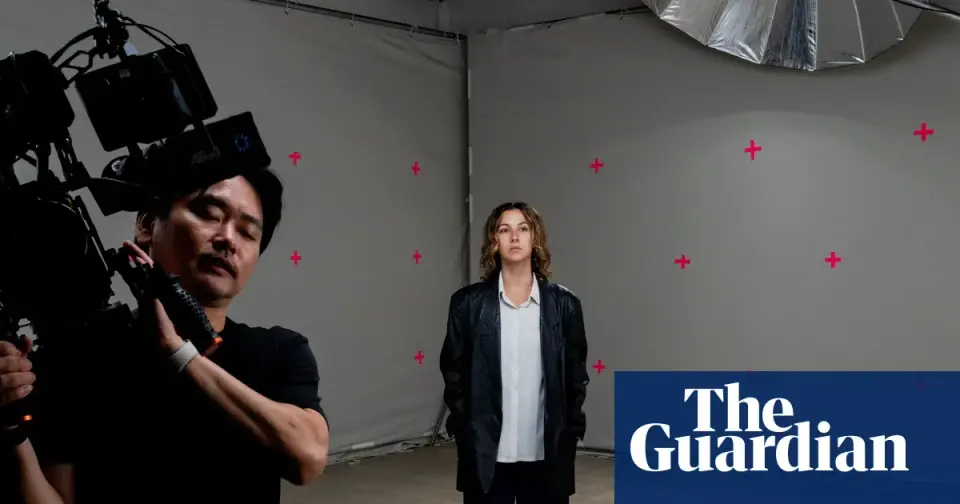
New AI-driven studios are emerging in Hollywood, promising cost savings and creative freedom while facing backlash from unions and traditionalists. These ventures leverage advanced models to reduce reliance on massive sound stages, though concerns about job displacement and artistic authenticity remain central to the debate.
Key points
- Promise, backed by Google and Disney, is producing hybrid AI films like 'Touch Grass' with budgets in the low millions, using Chinese models for backgrounds.
- Netflix reported using AI in 300 of its 1,000 titles in 2026, signaling broad industry adoption.
- Proponents claim AI reduces costs by 20-50%, enabling independent filmmakers to bypass traditional studio financing.
- Critics, including actors and directors, warn of job losses and the loss of human connection in performances.
- Los Angeles has lost over 40,000 production jobs since 2022, prompting some studios to adopt AI to remain competitive.
Background
The shift toward AI in film follows a period of industry instability, including union strikes in 2023 and a perceived identity crisis in U.S. studio output noted at the 2026 Venice Film Festival. While major animated projects like 'Incredibles 3' continue to rely on traditional pipelines, the rise of AI-native studios suggests a parallel track for lower-budget and experimental content.
How outlets are covering it
The Guardian highlights the tension between technological promise and labor fears, noting that while figures like Brad Pitt and Ron Howard support AI as a tool for mid-budget films, directors like Christopher Nolan and actors like Emily Blunt criticize its impact on human connection. NBC Los Angeles focuses on the economic necessity of AI adoption in Los Angeles, where job losses have driven studios like Asteria to embrace the technology to retain local production. In contrast, dropmedia.co.uk argues that AI is not merely a cheaper alternative but a distinct medium suited for subjective, fragmented narratives, suggesting that traditional continuity-based filmmaking may not be its primary strength. While The Guardian emphasizes the controversy and backlash, NBC frames AI as a survival strategy for the local industry, and dropmedia positions it as an evolving artistic form.
Why it matters
The integration of AI into film production threatens to reshape labor dynamics, creative control, and the economic structure of the entertainment industry. As costs drop and production speeds increase, the balance between human artistry and synthetic generation will define the future of storytelling and employment in Hollywood.
What to watch
Expect increased scrutiny from unions like Sag-Aftra and potential regulatory actions regarding Chinese AI models. The success of hybrid AI films in 2026 will likely determine whether major studios fully adopt these tools or resist them, while independent creators may continue to push the boundaries of what AI can achieve in narrative filmmaking.
- ‘I see the incredible promise’: on set of an AI film shoot as new studios embrace controversial tech The Guardian
- Exec: AI is just an efficiency tool for Hollywood studios Yahoo
- Why this Silver Lake production studio is embracing artificial intelligence NBC Los Angeles
- A medium of the mind; the future of AI films dropmedia.co.uk
- AI video market has bounced back from Sora's false start the-decoder.com
Want the full story? Read the original reporting
Read on The Guardian