
China's AI Micro-Drama Boom Displaces 690,000 Workers
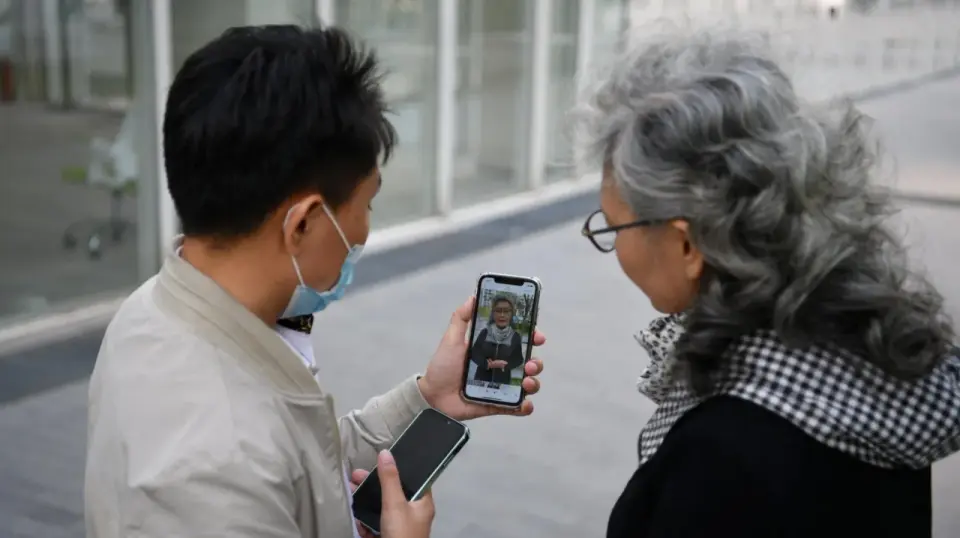
AI-generated micro-dramas have saturated Chinese platforms, with 95% of Q1 2026 output produced by AI. This shift has slashed production costs to 10% of traditional rates, displacing hundreds of thousands of actors and forcing performers to 'distill' their likenesses into digital models.
Key points
- 95% of the 128,000 micro-dramas released in China in Q1 2026 were AI-generated, according to the China Netcasting Services Association.
- Production costs for AI video have dropped to roughly 10% of human-acted equivalents, with one minute of content costing $90-$120.
- The Chinese short-drama industry directly employs 690,000 people, with 15 million citing livestreaming as their primary profession.
- Actors are increasingly forced to 'distill' their voices and likenesses into AI tools before being dismissed, leading to rising labor disputes.
- ByteDance's Seedance 2.0 model accelerated the transition, enabling smaller teams to produce high-volume content in days rather than months.
Background
This development follows a broader trend of AI integration in entertainment, where earlier discussions about method acting and voice preservation (such as the recent passing of Peter Cullen) highlight the industry's reliance on human performance. The current shift marks a transition from human-centric production to algorithmic generation, fundamentally altering labor dynamics in the gig economy.
How outlets are covering it
Gizmodo emphasizes the 'unsettling ubiquity' of AI content on consumer screens, noting that audiences no longer require star power to engage with AI-generated slop. The Financial Times focuses on the economic devastation, highlighting how actors are being 'written out' of dramas and forced into 'distillation' contracts. CNBC highlights the 'fail-fast' business model, where low production costs allow for high-volume testing, though it notes that distribution costs remain high. The Decoder underscores the rapid displacement of workers, citing the surge in AI-related labor disputes.
Why it matters
The rapid adoption of AI in China's entertainment sector signals a potential global shift in labor markets, where human performers are replaced by digital doubles. This raises critical questions about intellectual property, consent, and the future of creative work, as the cost of human labor becomes economically unviable compared to AI-generated alternatives.
What to watch
Expect continued growth in AI-generated content as models like Seedance 2.5 and Wan 3.0 improve quality. Labor disputes may increase as workers seek legal recourse against forced 'distillation' and dismissal. Traditional entertainment formats may face pressure to adapt or risk losing audience share to cheaper, high-volume AI micro-dramas.
- As That Whole 'Tilly Norwood' Thing Peters Out, AI Acting Achieves Unsettling Ubiquity on Chinese Phone Screens Gizmodo
- China’s actors written out of dramas as AI doubles ready to take their roles Financial Times
- China's short-drama producers flood the market with cheap bets — and let audiences pick the winners CNBC
- AI-generated videos are already displacing actors and livestreamers across China's entertainment industry the-decoder.com
- How China is building an edge over the US in video AI South China Morning Post
Want the full story? Read the original reporting
Read on Gizmodo