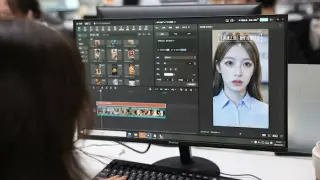
Alibaba quietly released an anonymous AI video-generation model, HappyHorse-1.0, which quickly rose to the top of an AI leaderboard and signals a concerted push to outperform ByteDance across AI applications.
New York City Mayor Zohran Mamdani is poised to lift the 2023 TikTok ban on city devices, allowing at least some city agencies to use the app again, with the policy rollout expected in a TikTok video on the @nycmayor account. The move ends the Adams-era security ban amid ongoing debates about data security and ByteDance’s ties to Beijing, reflecting a broader national trend of easing restrictions while cybersecurity concerns persist.
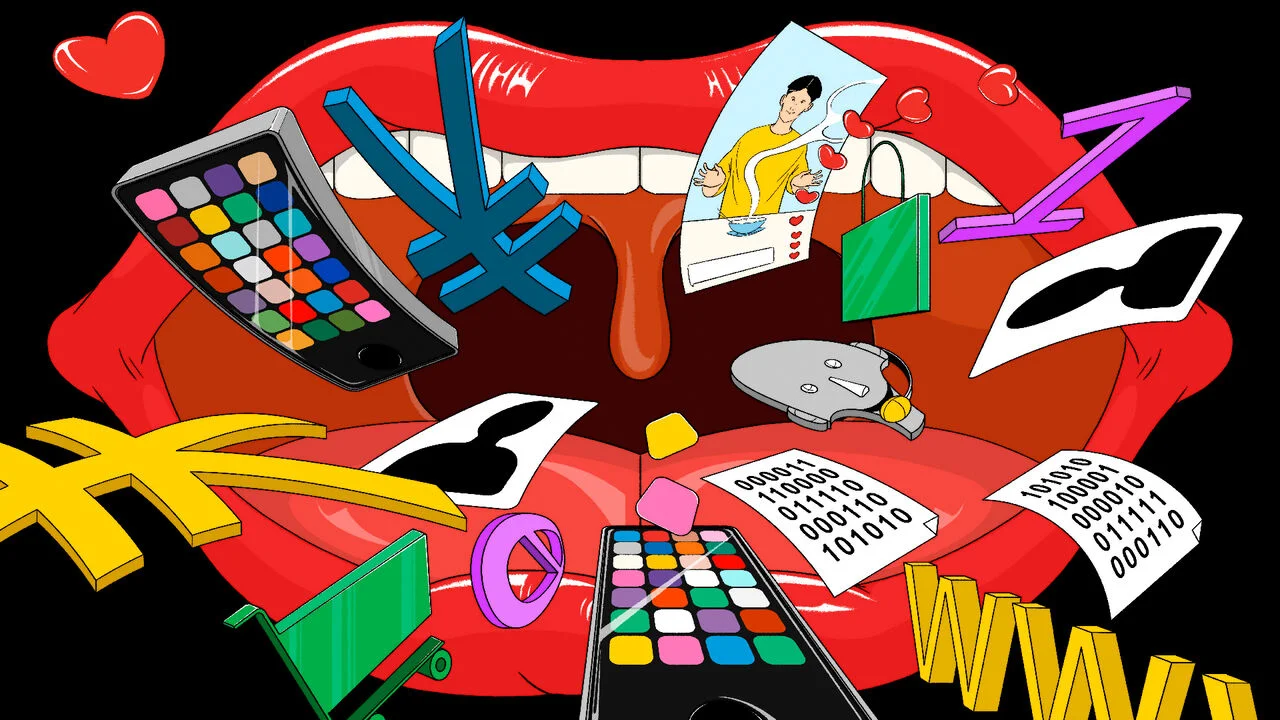
Since its 2012 founding, ByteDance has evolved into the world’s leading ‘application factory,’ turning TikTok and Douyin into global gateways used by billions and building a sprawling portfolio from video editing to workplace collaboration and chatbots—positioning the Chinese tech giant as a dominant force shaping the internet and drawing continued regulatory and competitive scrutiny.
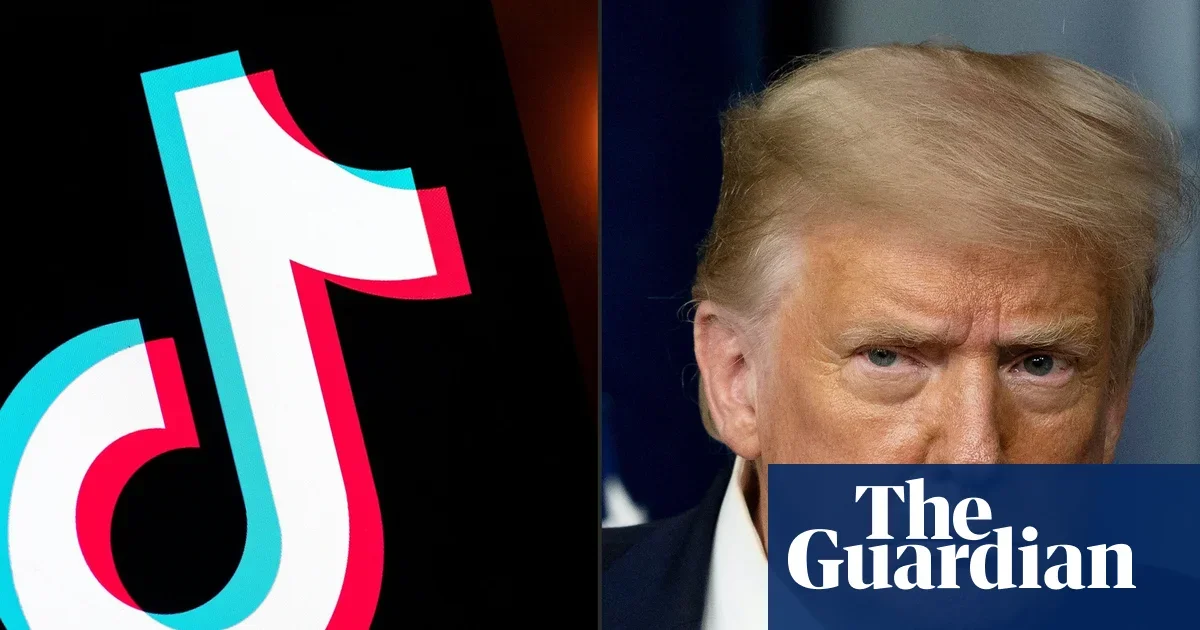
The Trump administration is reportedly set to receive a $10 billion transaction fee from investors who took control of TikTok's U.S. operations. Backers including Oracle, MGX, and Silver Lake paid $2.5 billion at closing in January and will continue paying until the total reaches $10 billion; under the deal, TikTok will operate in the U.S. with ByteDance sharing profits, while the government maintains a notable role in this private-sector arrangement.
A new suit filed in the D.C. Circuit by the Public Integrity Project claims President Trump and Attorney General Bondi violated a 2024 anti-propaganda law by approving a TikTok U.S. sale to a Trump-backed investor group (Oracle, MGX, Susquehanna, General Atlantic), arguing the deal enriched Trump allies and left ByteDance in control of the algorithm while Oracle controls the data.
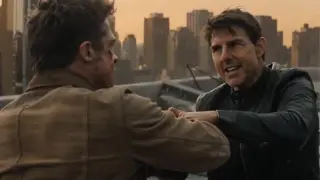
Seedance 2.0 churns out near-photoreal AI clips—like a Tom Cruise clone in action—that impress but trigger copyright pushback from Hollywood; while pieces such as Jia Zhangke’s Dance show potential for narrative work, the model’s reliance on unlicensed data and its tendency to hide continuity gaps cement its status as a polished but still problematic 'slop' generator.
Sony Pictures Entertainment has issued a cease-and-desist letter to ByteDance alleging that Seedance 2.0 infringes SPE’s copyrighted works and lacks adequate guardrails, joining earlier letters from Disney, Paramount, Warner Bros. and Netflix; SPE demands cessation of infringing outputs and removal of SPE content from Seedance 2.0’s training data and datasets, accusing ByteDance of willful infringement.
Hollywood is pressing copyright and likeness protections against ByteDance’s Seedance 2.0 after it produced a hyperreal Tom Cruise–Brad Pitt clip that triggered cease‑and‑desists from Netflix, Paramount, Warner Bros. and Disney; the company says safeguards are being added, but the broader fight centers on who sets default IP and safety standards for AI as Chinese open‑source models gain substantial market share, potentially reshaping the industry beyond this case.
Sony Pictures joined Disney, Paramount, Warner Bros. and Netflix in sending a cease‑and‑desist to ByteDance over Seedance 2.0, demanding removal of IP like Breaking Bad and Spider-Verse clips from Seedance’s AI training data amid claims of egregious, willful copyright infringement; with ByteDance promising stronger safeguards, studios push toward potential litigation as Seedance 2.0 clips circulate online.
Netflix has sent a cease-and-desist letter to ByteDance over Seedance 2.0, accusing the AI video tool of high-speed piracy by generating content that imitates Netflix IP and characters from shows like Stranger Things, Bridgerton, and Squid Game. Netflix demands that ByteDance stop generating Netflix likenesses, remove infringing content from training data, identify all infringements, and revoke third-party access, with a response due within three business days. ByteDance says it respects IP and is tightening safeguards, while Disney and Paramount have issued similar complaints.
Shazam! star Zachary Levi says he’s gobsmacked by Seedance 2.0’s rapid AI progress, posting clips and noting how quickly generative AI can produce content; the piece highlights Hollywood IP concerns and ByteDance’s pledge to strengthen safeguards after studios’ legal pressure.
Netflix threatened immediate litigation against ByteDance over Seedance 2.0 AI clips that imitate Netflix IP, demanding the removal of Netflix works from training data and new guardrails; ByteDance pledged extra safeguards, but Netflix and Warner Bros. joined in condemning Seedance as potential infringement, escalating the industry’s IP showdown over AI-generated video.
Warner Bros. Discovery sent a cease-and-desist letter to ByteDance, accusing Seedance AI of infringing its copyrighted works (notably Batman and Superman) through user-generated videos. ByteDance says it is taking steps to strengthen safeguards and has begun blocking certain prompts related to WB properties. The dispute highlights ongoing tensions in the AI IP space as studios press for stronger guardrails amid broader industry talks on AI usage.
Warner Bros. has sent a letter to ByteDance accusing Seedance 2.0 of enabling user-generated AI clips that infringe its IP, including Superman, Batman and Game of Thrones, and demanding that ByteDance cease training on these characters and implement guardrails. ByteDance has pledged safeguards, but Warner Bros. argues that the infringement stems from Seedance’s design rather than user behavior. The move follows broad industry criticism from the MPA and SAG-AFTRA and cease-and-desist actions from Disney and Paramount amid the rapid rise of AI-generated video content.
Warner Bros. Discovery sent a cease-and-desist to ByteDance, alleging that Seedance 2.0 copies copyrighted DC characters and launched without safeguards; it demands ByteDance stop training on studio content, identify training materials, block user-shared infringing videos, and revoke licenses if materials were shared; the move follows similar threats from Disney and Paramount as studios push safeguards for AI-generated content.