
Meta Faces Backlash After AI Deepfake of Mia Goth Circulates on Instagram
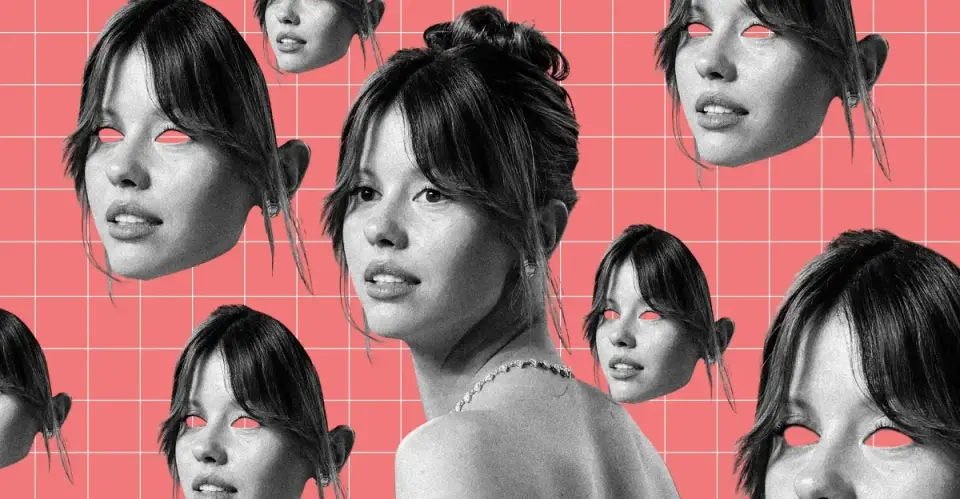
An AI-generated image of actress Mia Goth wearing a shirt reading 'My ex is my biggest fan' went viral on Instagram days after her divorce filing. The post, which appeared on a verified fan account with over one million followers, was removed by Meta after complaints from Goth's representatives. The incident highlights gaps in platform safety, as still images are exempt from AI labeling requirements, allowing fake content to spread before takedowns.
Key points
- The fake image of Mia Goth gained nearly 500,000 likes on Instagram before the account was removed for impersonation.
- Goth's representative, Christine Tripicchio, called Instagram's handling of the post 'incomprehensible' and 'disconcerting.'
- Meta confirmed the removal of the account but noted that still images are not required to carry AI labels under current rules.
- The post spread through celebrity gossip outlets and Google search results, which cited the fake image as genuine news.
- YouTube has a more robust likeness detection system, removing over 95% of reported deepfake videos in the first half of 2026.
Background
This incident follows a series of high-profile AI deepfake controversies in 2026. In September, Stella Parton condemned AI-generated misinformation following her sister Dolly Parton's death, and a Kremlin-backed operation used AI-cloned celebrity voices to target US midterm voters. These events underscore growing concerns about the misuse of AI to manipulate public figures and spread disinformation.
How outlets are covering it
The Verge emphasizes the systemic failure of Meta's trust and safety measures, noting that the fake image exploited the absence of AI labeling for still images and the ease of purchasing verified checkmarks. Variety focuses on the immediate backlash from Goth's team and the broader industry response, including Hollywood figures like Scarlett Johansson and Cate Blanchett condemning deepfakes. Both outlets agree that the incident exposes a gap between platform policies and the reality of AI-generated content, but The Verge provides more detail on the technical and regulatory landscape, while Variety highlights the human impact and industry solidarity.
Why it matters
The Mia Goth deepfake incident illustrates the growing threat of AI-generated content to public figures and the inadequacy of current platform safeguards. As AI tools become more accessible, the risk of misinformation and reputational damage increases, particularly for celebrities. The incident also highlights the need for stronger regulations and platform policies to protect individuals from unauthorized use of their likeness, especially in the absence of comprehensive right of publicity laws in the US.
What to watch
Meta is expected to face increased scrutiny over its handling of AI-generated content, particularly the exemption of still images from labeling requirements. The incident may prompt calls for stricter regulations and platform policies to protect public figures from deepfakes. Additionally, the growing cottage industry of AI-generated celebrity content may lead to further legal and ethical challenges, as platforms struggle to balance content moderation with user freedom.
- Nobody is safe from celebrity AI deepfakes The Verge
- A surprising photo of Mia Goth went viral. It wasn't real but it won't go away USA Today
- An AI image of Mia Goth sparks Instagram fan account controversy Mashable
- Mia Goth Slams Instagram’s ‘Incomprehensible’ Decision to Let AI-Altered Selfie Spread Online Variety
- ‘The Odyssey’ Star Mia Goth Takes Aim at Instagram After a Fake AI Image Went Viral Amid Her Divorce IMDb
Want the full story? Read the original reporting
Read on The Verge