
Trademark Shield: McConaughey’s Plan to Guard His Image Against AI Deepfakes
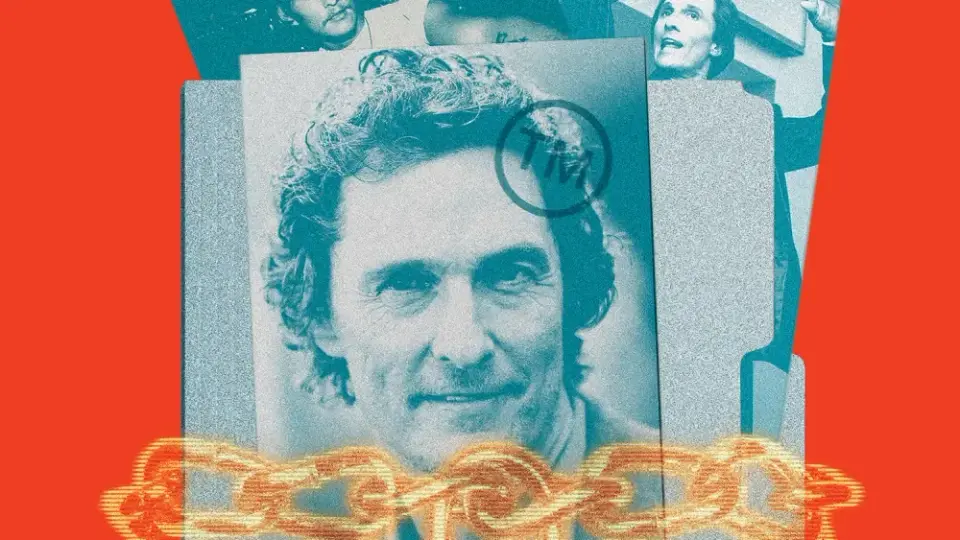
Matthew McConaughey has obtained eight trademarks protecting aspects of his persona—such as voice signals and short video/audio clips—in a bid to deter unauthorized AI use of his likeness. The move, granted by the USPTO after about two years of review, mirrors similar filings by Taylor Swift and aims to provide a federal enforcement tool beyond traditional rights of publicity. Legal experts warn trademarks centered on a person’s persona are narrow and may not fully stop AI-generated fakes (e.g., vocal timbre or unauthorized deepfakes), leaving questions about practical effectiveness. The strategy comes amid broader industry concern over AI in entertainment, SAG-AFTRA protections, and proposed laws like the No Fakes Act, underscoring that McConaughey’s approach is one of several tools actors are exploring to retain control over their identity in an AI-driven future.
- Can You Trademark Yourself? Inside Matthew McConaughey’s Novel Legal Strategy to Fight AI Theft Variety
- Celebrities are filing trademarks to combat AI clones. Should you? The Washington Post
- Why trademarking your face like Taylor Swift isn’t a ‘silver bullet’ against deepfakes Yahoo Finance UK
- Taylor Swift moves to trade mark her voice – expert comment University of Reading
- Taylor Swift trademark list, from 'Swiftie' to 'Taylor's Version' MSN
Want the full story? Read the original reporting
Read on Variety