Neowiz has registered a trademark for Wonders of O at the EUIPO, hinting at a Lies of P sequel and sparking speculation about the significance of the O in the title; no official details on story, platforms, or release are available yet.
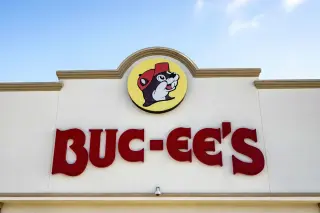
Texas-based Buc-ee’s won an $850,000 settlement in a trademark case against North Charleston apparel company Born United, which used Buc-ee’s beaver branding on military/patriotic gear. The settlement permanently blocks Born United from using the beaver logo or any confusingly similar designs, requires payment of $850,000 in damages, and mandates destruction of remaining merchandise and removal of related ads. While some other Born United shirts remain, the beaver imagery at issue is no longer permitted under the agreement.
Buc-ee’s won an $850,000 trademark lawsuit against North Charleston-based Born United for using the beaver mascot; Born United is permanently barred from the mark, must destroy all beaver-logo merchandise and ads, and could owe Buc-ee’s and its attorneys’ fees if they violate the judgment.
The Court of Justice of the European Union ruled that Vlaams Belang’s anti-immigration “IKEA-Plan,” which used Ikea branding to illustrate its political message, could harm Ikea’s reputation and may be restricted under trademark law, sending the case back to Belgian courts for final proceedings.
A startup launches Tweet.app in response to a federal court ruling that blocks the use of the Twitter name but leaves room for using the word tweet and the bird logo, with the platform taking preemptive branding steps and a paid waitlist as the trademark case continues to a full trial.
A Delaware judge ruled that X abandoned both the term 'tweet' and the blue bird logo, making them fair game, while the 'Twitter' name remains restricted due to ongoing domain ownership; Operation Bluebird has rebranded Twitter.now as Tweet.app and is courting users, with early signups around 170,000, though its ultimate success remains uncertain.
Virginia startup Operation Bluebird has launched Twitter.now, arguing that X Corp abandoned the Twitter trademark after Elon Musk shifted the brand to X. A Delaware judge issued a tentative ruling suggesting X may have relinquished rights to the Twitter name, the tweet logo, and possibly the Twitter brand, though a written order is not yet issued. Twitter.now features an automated fact-checking tool called Vera and currently hosts only hundreds of users, as the legal battle between the parties appears set to continue.
Buc-ee’s has filed a trademark lawsuit against Beaver’s Mini Mart in Beavercreek, Ohio, over the use of a beaver logo after Beaver’s renamed from Hanes Road Carryout in early 2025. The case has sparked community support for the small shop, including local businesses adapting logos in solidarity and a GoFundMe that has raised tens of thousands of dollars to cover legal costs; Beavercreek officials also recognized the beaver as part of the city’s history. Ohio Gov. Mike DeWine criticized the suit as absurd while Beaver’s Mini Mart’s owner, Vic Boparai, has not publicly addressed the merits of the lawsuit.
Netflix responds to Demon Hunter’s lawsuit alleging trademark infringement over the KPop Demon Hunters franchise, with Demon Hunter claiming fan confusion in tickets and searches and seeking a jury trial, restitution, and treble damages, while Netflix calls the allegations meritless and vows to vigorously defend the case.
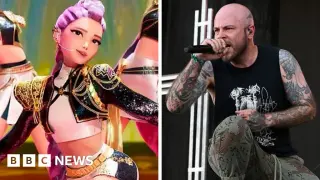
Christian-metal band Demon Hunter has sued Netflix and associated parties over the use of the term “KPop Demon Hunters,” arguing it could confuse fans and dilute their brand. The complaint seeks to bar the use of the mark across music releases, merchandise, and live events, plus damages and attorneys’ fees, arguing Demon Hunter has long-standing rights and that Netflix’s branding and live-event plans create reverse confusion. Netflix has defended the project as a global phenomenon and said it will vigorously defend the matter. The suit cites examples of consumer confusion, such as mistaken tickets and search results, to support its claims.
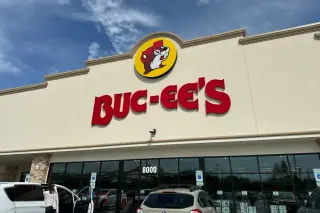
As Buc-ee's expands beyond Texas, its trademark strategy fights to protect the beaver mascot, name, and branding from look-alike rivals such as Beaver’s Mini Mart in Ohio. The latest lawsuit alleges trademark infringement, unfair competition and deceptive trade practices, illustrating how rapid growth turns branding into a legal battleground and signaling ongoing legal costs for smaller businesses, while Buc-ee's has a history of pursuing similar cases since its marks were registered.
Christian metal band Demon Hunter has filed a trademark lawsuit against Netflix, claiming overlap between their brand and Netflix’s KPop Demon Hunters project, including plans for a global tour, a film, and merchandise. Hyde Lane, the band’s rights holder, says Netflix’s use of the KPop Demon Hunters name could confuse consumers and harm Demon Hunter’s established brand for music and merchandise (registered since 2022). Netflix has also registered Kpop Demon Hunters for various products, and the complaint cites examples of consumer confusion, such as a ticket purchase and social media mis-tags. Demon Hunter seeks to stop Netflix from using the KPop Demon Hunters name for music, live shows, and merchandise and to obtain damages.
Buc-ee’s has filed a trademark lawsuit against Beaver’s Mini Mart in Beavercreek, Ohio, arguing its cartoon beaver logo could confuse customers with Buc-ee’s branding, a move that follows the chain’s refusal of John Oliver’s on-air dare to sue him. The Verge notes Buc-ee’s has a history of pursuing suits against smaller businesses and has previously fended off other litigation.
Buc-ee's has filed a lawsuit against Beaver's Mini Mart in Beavercreek, Ohio, alleging trademark conflicts with its beaver logo and Beavermart branding. Beaver's Mini Mart owner says his sign has existed since 2019 and that he filed a state trade name, not a federal trademark. Buc-ee's communications describe attempts to contact the owner and defend its mark, sparking local backlash and political commentary as the company expands in Ohio; the dispute centers on whether a small shop's name and logo could confuse customers with Buc-ee's established brand.
Buc-ee’s co-founder and CEO Arch Aplin says the company filed a civil lawsuit against Beaver’s Mini Mart in Beavercreek to protect its logo and trademark after months of unsuccessful efforts to contact the store’s owner; Buc-ee’s would drop the case if Beaver’s Mini Mart withdraws its trademark application, while Beaver’s Mini Mart contends the action is unfair.