
St. Tropez's 2026 Summer: A Clash Between Luxury Revival and Overtourism
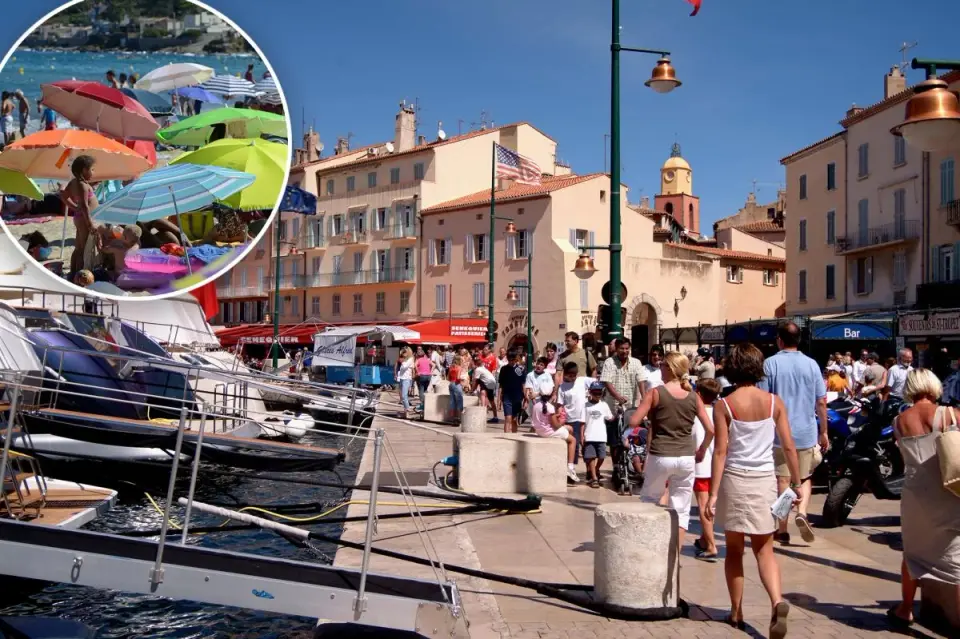
St. Tropez faces a dual reality in 2026: a surge in influencer-driven overtourism and rising costs, contrasted by a strategic luxury revival. While the town is criticized for becoming a 'see-and-be-seen' spectacle, new high-end hotels and regulatory changes aim to restore exclusivity and curb the chaos.
Key points
- France Magazine ranked St. Tropez as France's most expensive beach destination, with hotel prices soaring due to high demand from international buyers and tourists.
- Influencers and luxury brands are described as 'strip mining' locations for content, leading to massive queues at spots like Dior and a loss of the town's historical authenticity.
- The town has undergone a physical transformation under France's 'Loi Littoral' coastal law, forcing beach clubs like those on Pampelonne to move behind dune lines and adopt lightweight, demountable structures.
- A wave of new luxury hotels has opened, including the 86-room Château de la Messardière and the 42-room COMO Le Beauvallon, aiming to offer exclusivity away from the crowded harbor.
- Local sentiment is divided; while some mourn the loss of the 'old St. Tropez,' others note that the town retains its Provençal charm and that the new luxury sector is attempting to 'grow up' and manage the influx.
Background
St. Tropez has long been a magnet for Hollywood royalty and the international jet-set since the 1950s, when it transitioned from a fishing village to a celebrity playground. Recent archive coverage of Hollywood stars and celebrity culture highlights the broader trend of high-profile figures seeking privacy and exclusivity, a demand that St. Tropez has struggled to balance with its growing public visibility. The 2026 season marks a critical point where the town's identity is being redefined by both its commercialization and its attempts to regulate its physical landscape.
How outlets are covering it
The New York Post emphasizes the negative impact of 'overtourism' and 'influencer culture,' describing the town as 'overrun' and 'overpriced.' It highlights the frustration of locals and traditionalists who feel the town's soul has been lost to 'content creation' and 'brand activations.' In contrast, Observer.com presents a more nuanced view, acknowledging the 'vulgar' reputation but highlighting a 'fresh look' for 2026. Observer focuses on the 'coastal rewrite' and the opening of new, high-end hotels that aim to restore exclusivity. While the Post sees the influx as a destructive force, Observer frames it as a managed evolution where luxury brands and new accommodations are attempting to 'grow up' and offer a more refined experience, even if the crowds remain a persistent issue.
Why it matters
St. Tropez's struggle reflects a broader global challenge for iconic tourist destinations: how to maintain economic vitality and cultural prestige while managing the negative impacts of mass tourism and social media-driven demand. The town's response, including regulatory changes to beach clubs and the introduction of exclusive new hotels, serves as a case study for other luxury destinations grappling with the tension between accessibility and exclusivity. The outcome will influence how other European hotspots approach their own overtourism crises in the coming years.
What to watch
The 2026 summer season will be a test for St. Tropez's new luxury strategy. The success of the newly opened hotels and the effectiveness of the 'Loi Littoral' regulations in managing beach club footprints will determine if the town can successfully balance its commercial appeal with its historical charm. Future seasons may see further adjustments to the town's physical layout and marketing strategies as it attempts to attract high-net-worth individuals while deterring the 'locust-like' influx of content creators.
Want the full story? Read the original reporting
Read on New York Post