
Cape Fear Finale: Max Cady Survives, but the Bowden Trauma Endures
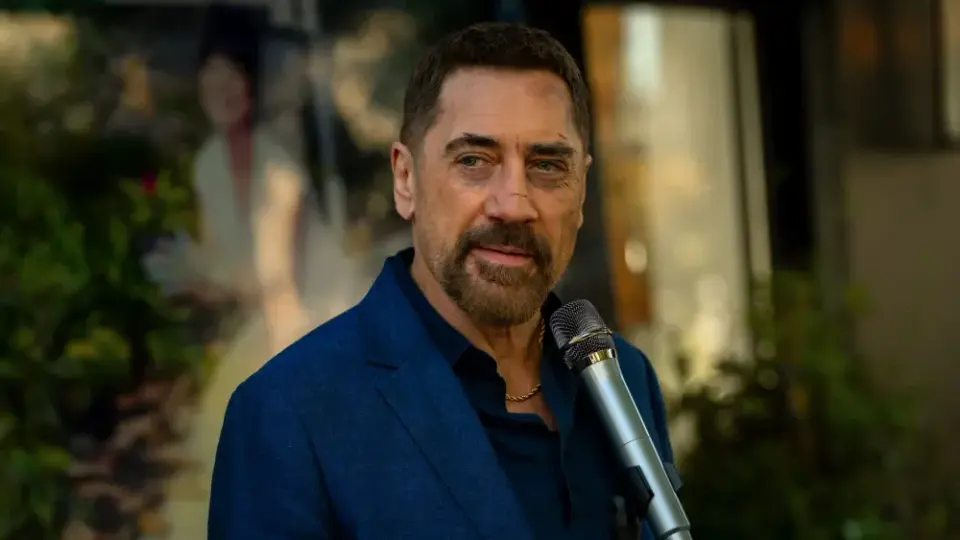
The finale of Apple TV’s Cape Fear, titled 'The Executioners,' concludes with Max Cady (Javier Bardem) surviving a brutal confrontation with the Bowden family. Creator Nick Antosca confirmed that while Max is defeated and captured, the series deliberately leaves his fate ambiguous to sustain the family’s psychological trauma. The episode reveals that Max’s sister Crystal (Juliette Lewis) committed the murder for which he was convicted, exonerating him of the original crime but highlighting his own violent actions. The season ends with the Bowdens trapped in their home, haunted by the unresolved paternity of their daughter Natalie and the lingering threat of Cady.
Key points
- Max Cady is defeated but not killed; Anna Bowden (Amy Adams) chooses to spare his life, a departure from the 1991 film.
- The finale reveals that Max’s sister Crystal killed his wife and ripped out the unborn fetus, proving Max innocent of the original murder charge.
- Max kills his half-sister Crystal and her lover Luke, who is revealed to be Max’s long-lost son, during a chaotic sequence on a houseboat.
- The series utilizes modern technology, including AI voice clones and drone surveillance, to heighten the paranoia and terror experienced by the Bowden family.
- The final scene shows the Bowden family at a barbecue, but Anna’s sudden fear and a red color filter suggest the threat has not fully dissipated.
Background
Cape Fear is the third adaptation of John D. MacDonald’s novel The Executioners, following the 1962 and 1991 film versions. The 2026 series, created by Nick Antosca, updates the story for the modern era, incorporating technology as a primary tool for psychological warfare. Previous coverage noted that the finale was divisive, with some critics praising the performances while others criticized the plot's coherence and the decision to leave the antagonist alive.
How outlets are covering it
Variety and The Verge emphasize the show’s effective use of modern technology to create a sense of inescapable paranoia, noting how Cady exploits digital vulnerabilities. In contrast, Vulture criticizes the series for its handling of female characters, arguing that the plot prioritizes mystery over character development and fails to provide coherent motivations for Crystal and Nevaeh. While Variety highlights the thematic complexity of Max’s innocence, Vulture views the twist as a clumsy inversion that undermines the original moral clarity of the story.
Why it matters
The finale illustrates the evolving nature of revenge thrillers in the digital age, where technology amplifies the reach and terror of a stalker. It also highlights the ongoing debate in adaptations about whether to preserve the source material’s moral ambiguity or introduce new twists that may dilute the original impact. The decision to leave Max alive challenges traditional narrative closure, suggesting that trauma and fear persist even after physical threats are neutralized.
What to watch
The series ends with a cliffhanger, leaving the paternity of Natalie unresolved and hinting at a potential return of Max Cady. The Bowden family is depicted as trapped in their home, unable to fully recover from the trauma of the season. Future developments would likely focus on the psychological aftermath for the family and the potential consequences of Max’s survival.
- ‘Cape Fear’ Creator Nick Antosca on That Shocking Final Sequence and Making Big Changes From Scorsese’s Version Variety
- Will There Be a Season 2 of ‘Cape Fear’? IMDb
- Cape Fear Drowned in the Mystery Vulture
- Apple TV’s Cape Fear remake turns it into a paranoid tech thriller The Verge
- Breaking Down the Bloody Finale of 'Cape Fear' Time Magazine
Want the full story? Read the original reporting
Read on Variety