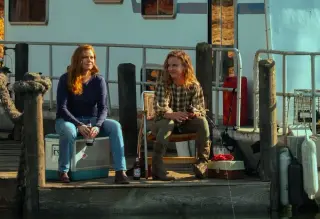
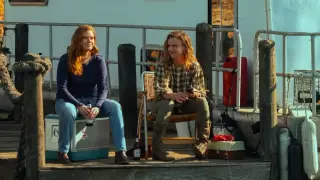
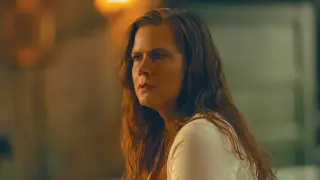
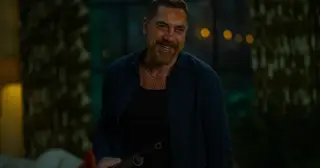
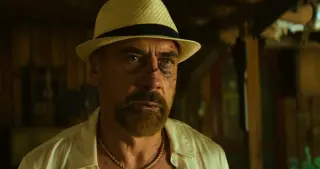
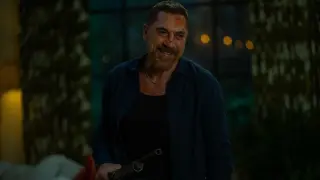
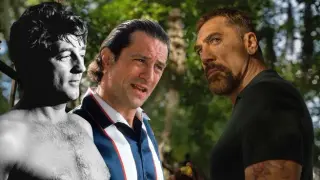
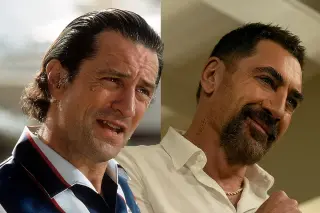
Juliette Lewis discusses Apple TV’s Cape Fear finale, detailing Crystal as Max Cady’s volatile sister with a dark, Nick Antosca–crafted backstory, and how the episode nods to the 1991 film. She praises Javier Bardem’s intensity, explains the double‑crosses with Anna, and describes the finale on the water in which Crystal and Luke are killed, while Crystal’s haunting presence lingers over Max.
Apple TV+'s Cape Fear concluded its ten-episode limited series with a violent finale that killed off Juliette Lewis's character, Crystal, while leaving the fate of Javier Bardem's Max Cady ambiguous. The series, created by Nick Antosca and produced by Martin Scorsese and Steven Spielberg, reimagined John D. MacDonald's novel by shifting the central crime from rape to murder and introducing a complex web of misinformation and family dysfunction. While Lewis praised the physical intensity of the houseboat scenes and her collaboration with Bardem, critics were divided on the show's execution. Some praised the thematic exploration of media manipulation, while others criticized the series for prioritizing mystery over coherent character development, particularly regarding its female leads. The finale left the Bowden family seemingly safe but psychologically scarred, with unresolved questions about Natalie's paternity and Max's potential return.
The finale of Apple TV’s Cape Fear, titled 'The Executioners,' concludes with Max Cady (Javier Bardem) surviving a brutal confrontation with the Bowden family. Creator Nick Antosca confirmed that while Max is defeated and captured, the series deliberately leaves his fate ambiguous to sustain the family’s psychological trauma. The episode reveals that Max’s sister Crystal (Juliette Lewis) committed the murder for which he was convicted, exonerating him of the original crime but highlighting his own violent actions. The season ends with the Bowdens trapped in their home, haunted by the unresolved paternity of their daughter Natalie and the lingering threat of Cady.
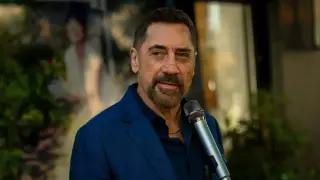
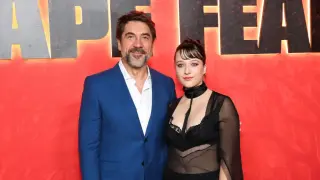
Javier Bardem apologized to co-star Lily Collias before filming a violent hair-grabbing scene in the Apple TV+ series 'Cape Fear.' Bardem’s performance as Max Cady has been praised for its chilling stillness, while Collias described the finale as a chaotic but joyful collaborative effort. The series concluded with a divisive finale that featured intense physical confrontations and unresolved plot threads.
Apple TV’s Cape Fear concluded its 10-episode season with a violent finale where Max Cady (Javier Bardem) burns his family, stages a mock trial, and is ultimately defeated by the Bowden family. The episode revealed that Max’s presumed-dead son was actually alive, shattering his revenge narrative. Critics and reviewers noted the show’s heavy reliance on modern technology for tension, though some criticized the female characters’ development and the ambiguous ending.
The ten-episode Apple TV series 'Cape Fear' concluded with a chaotic finale that critics found unsatisfying. Max Cady, played by Javier Bardem, killed his family members and escaped police custody twice. The Bowden family ultimately chose to surrender Cady to the law rather than kill him, despite his repeated escapes. The episode featured a major twist regarding the paternity of a character named Luke, but many reviewers criticized the plot's logic and pacing.
Apple TV’s 10-episode remake of Cape Fear, starring Javier Bardem and Amy Adams, reimagines the classic thriller as a paranoid tech-horror story. Released in 2026, the series uses drones, AI voice clones, and online catfishing to destabilize the Bowden family. While critics praise the tension, reviews are mixed regarding character development and the finale’s resolution.
The Apple TV miniseries Cape Fear concluded with a violent finale that critics found fitfully entertaining but ultimately unsatisfying, squandering early potential for a deeper exploration of justice and family dynamics.
A roundup of recent TV reviews finds The Agency season 2 delivering a taut, character-driven spy drama anchored by Fassbender and a strong ensemble, Cape Fear maintaining its moody, twist-filled pace, Netflix’s I Will Find You faltering with thin characters and overbuilt twists, and The Vampire Lestat offering sharp Lestat–Louis dynamics and intriguing set-ups for future seasons.
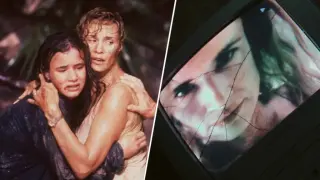
Nick Antosca, the Cape Fear creator for Apple TV+, says he always wanted Juliette Lewis in the reboot after her standout 1991 film, and Lewis makes a cameo in the episode 'Phantom Sensations' as a hoodie-clad intruder stalking Max Cady; the episode also features Francesca Scorsese, while Martin Scorsese and Steven Spielberg serve as executive producers on the series.
Juliette Lewis appears as a hooded, masked mystery woman in Friday's episode of Apple TV+'s Cape Fear, revealing a direct link to Scorsese's film while leaving her character's identity and motives to be explored as the season unfolds.
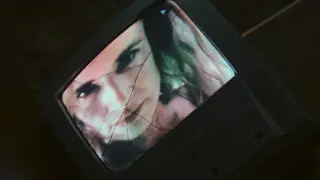
Juliette Lewis surprises fans with a cameo in Apple TV+’s Cape Fear, returning as a figure from Max Cady’s past in the episode Phantom Sensations, where she stalks him in a hoodie and mask, breaks into his house, and leaves a video message that triggers his rage. Francesca Scorsese also appears as an influencer in the episode. The series, created by Nick Ancosta, stars Javier Bardem and is executive produced by Martin Scorsese and Steven Spielberg.
BBC Culture traces Max Cady's evolution from the novel's vengeful predator through the 1962 Cape Fear and Scorsese's 1991 remake to a new Apple TV series starring Javier Bardem, arguing he remains an enduring anti-establishment threat to family and the legal order, with the latest version adding backstory and moral ambiguity around guilt, class and justice.
AV Club TV critic Saloni Gajjar reviews four new series: Hulu’s Alice And Steve is uneven but lifted by Nicola Walker’s performance; Interview With The Vampire season 3 introduces a bold, rock‑and‑roll Lestat shift that’s entertaining and buoyed by Sam Reid; Cape Fear on Apple TV+ reimagines the Max Cady story with Javier Bardem while critiquing the criminal justice system, though some subplots feel lighter; Not Suitable For Work on Hulu struggles with ensemble chemistry and tonal coherence, though it shows promise in a few character dynamics.
Slate’s Rebecca Onion reviews Apple TV’s Cape Fear miniseries, praising Bardem’s Max Cady but arguing that a ten-hour run risks diluting the original’s taut suspense with expanded backstory, religious overtones, and a broader Bowden family drama.