
Cape Fear Finale: Lewis Reflects on Crystal's Death and the Series' Controversial Ending
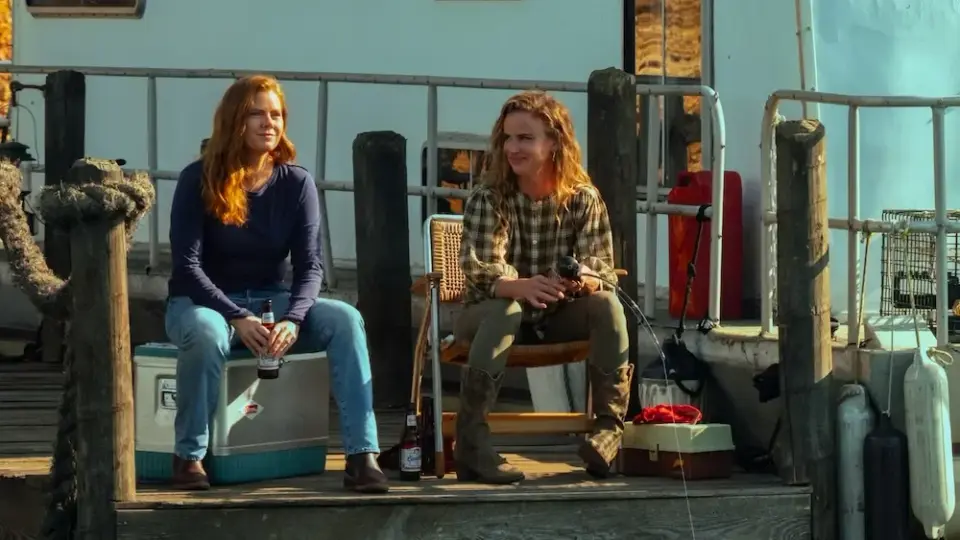
Apple TV+'s Cape Fear concluded its ten-episode limited series with a violent finale that killed off Juliette Lewis's character, Crystal, while leaving the fate of Javier Bardem's Max Cady ambiguous. The series, created by Nick Antosca and produced by Martin Scorsese and Steven Spielberg, reimagined John D. MacDonald's novel by shifting the central crime from rape to murder and introducing a complex web of misinformation and family dysfunction. While Lewis praised the physical intensity of the houseboat scenes and her collaboration with Bardem, critics were divided on the show's execution. Some praised the thematic exploration of media manipulation, while others criticized the series for prioritizing mystery over coherent character development, particularly regarding its female leads. The finale left the Bowden family seemingly safe but psychologically scarred, with unresolved questions about Natalie's paternity and Max's potential return.
Key points
- Juliette Lewis portrayed Crystal, a fractured and violent villain, in the Apple TV+ adaptation of Cape Fear, a role that contrasted with her 1991 Oscar-nominated performance as Danielle in Martin Scorsese's film.
- The finale, titled 'The Executioners,' saw Max Cady (Javier Bardem) kill Crystal and her son Luke on a houseboat, mirroring the 1991 film's climax but with different motivations and outcomes.
- The series reimagined the source material by changing Max's crime from rape to the murder of his pregnant wife, and introduced Crystal as his half-sister who had killed his wife and stolen his baby.
- Critics noted that the show relied heavily on misinformation and viral media to destabilize the Bowden family, with Max using technology and public perception to manipulate events.
- The ending left Max alive, with the Bowdens choosing not to kill him, and concluded with an ambiguous red-haze shot suggesting ongoing threat, leaving the door open for a potential second season.
- Juliette Lewis expressed that Crystal would 'haunt' Max forever and suggested the character might survive the houseboat fire, noting the lack of confirmed bodies at the end of the episode.
Background
Cape Fear is an adaptation of John D. MacDonald's 1957 novel The Executioners, previously adapted into films in 1962 and 1991. The 1991 version, directed by Martin Scorsese, starred Robert De Niro as Max Cady and Juliette Lewis as Danielle, a role for which Lewis received an Oscar nomination at age 18. The 2026 Apple TV+ series, created by Nick Antosca, is a 10-episode limited series produced by Scorsese and Steven Spielberg. Earlier coverage noted that the finale divided critics, with some praising the performances and mood while others criticized the clunky plotting and ambiguous resolution. The series was noted for its high-stakes drama and the physical intensity of its action sequences, particularly the houseboat scenes.
How outlets are covering it
Variety highlighted Juliette Lewis's positive experience filming the finale, emphasizing her physical preparation and the 'nostalgic' parallels to the 1991 film, as well as her admiration for Javier Bardem's performance. Harper's Bazaar focused on the series' thematic critique of misinformation and media sensationalism, noting how Max Cady used technology and viral videos to manipulate the Bowden family. Vulture offered a critical perspective, arguing that the series failed its female characters by prioritizing mystery over coherent character development, particularly regarding Crystal and Nevaeh, and criticized the ambiguous ending for diffusing Max's villainy. TV Insider provided a factual overview of the series' production details and the open-ended nature of the finale, noting the lack of an official second season announcement despite the ambiguous ending. The outlets differed in their emphasis, with Variety and Harper's Bazaar focusing on the artistic and thematic aspects, while Vulture focused on critical flaws in character development and narrative structure.
Why it matters
The finale of Cape Fear sparked debate about the adaptation of classic stories and the role of misinformation in modern society. The series' decision to change Max Cady's crime and introduce a complex web of family dysfunction and media manipulation reflected contemporary anxieties about truth and perception. The ambiguous ending, with Max alive and the Bowdens psychologically scarred, raised questions about the nature of justice and the cycle of violence. The critical divide over the series' execution highlighted the challenges of adapting a story with a strong moral core into a modern mystery, and the impact of casting choices, such as Juliette Lewis's return as a villain, on the narrative's coherence and impact.
What to watch
Apple TV+ has not announced a second season of Cape Fear, but the ambiguous ending, with Max alive and the Bowdens' unresolved psychological trauma, leaves the door open for a potential continuation. The series' conclusion, with the Bowdens seemingly returning to normal but with lingering threats, suggests that the psychological fallout of the events may continue to affect the characters. The unresolved questions about Natalie's paternity and Max's potential return could be explored in future seasons if the series is renewed. The critical reception of the finale may also influence the decision to continue the series, with some critics praising the performances and mood while others criticizing the narrative structure and character development.
- Juliette Lewis on Fiery ‘Cape Fear’ Finale, ‘Nostalgic’ Nods to 1991 Film and Why Crystal Will ‘Haunt’ Max Forever Variety
- "Cape Fear," Ending Explained: A Sinister Culture of Misinformation Harper's BAZAAR
- 'Cape Fear' Season 2: Cast, Plot, Premiere Date, Episodes, Trailer, and More Details TV Insider
- Cape Fear Drowned in the Mystery Vulture
- Juliette Lewis On 'Cape Fear' Season 2 Hopes: "We Will See" Deadline
Want the full story? Read the original reporting
Read on Variety