
Lucille Ball’s Syndication Strategy Saved Star Trek from Early Cancellation
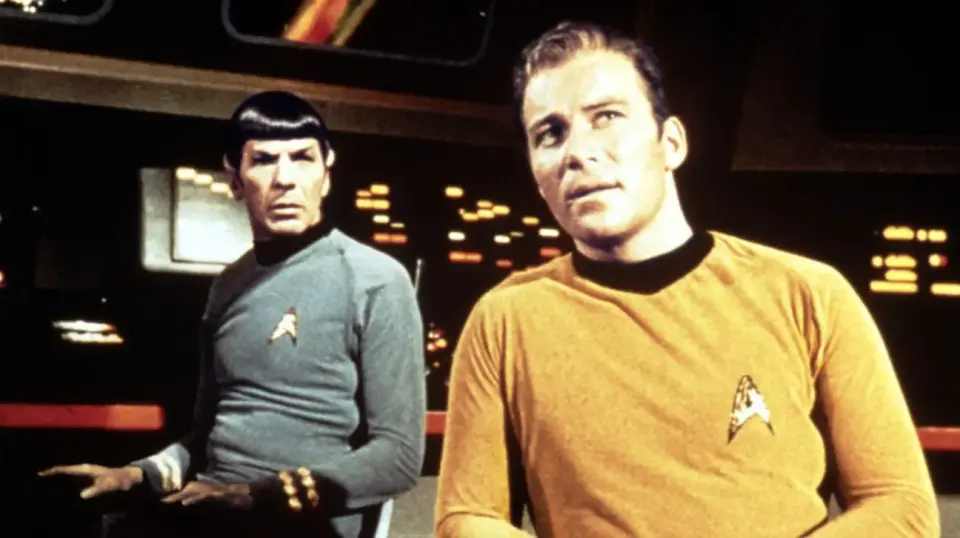
Roddenberry Entertainment COO Trevor Roth revealed at the MIA Market in Rome that Lucille Ball and Desilu Productions were instrumental in saving the original Star Trek series. After NBC canceled the show, Ball leveraged her experience with I Love Lucy reruns to syndicate Star Trek's 80 episodes, allowing it to find a global audience and evolve into a six-decade franchise.
Key points
- Trevor Roth, COO of Roddenberry Entertainment, spoke at the MIA Market in Rome about the origins of the Star Trek franchise.
- Roth credited Lucille Ball and her studio, Desilu Productions, with saving Star Trek after its initial cancellation by NBC.
- Ball applied the syndication strategy she used for I Love Lucy to Star Trek, placing its 80 episodes into reruns for non-NBC markets.
- This move allowed Star Trek to reach audiences outside its original broadcast network, fostering the fan base that sustains the franchise today.
- Roth noted that Star Trek has remained active for 60 years, with current streaming series including Strange New Worlds, Lower Decks, and Picard.
- A new Star Trek movie is in development, with John Francis Daley and Jonathan Goldstein set to write and direct a standalone project under their GoldDay banner.
Background
Star Trek celebrated its 60th anniversary in September 2026, prompting widespread cultural analysis of its legacy and current state. While the franchise has generated over $11.2 billion in revenue and spawned 12 TV series, critics have noted a lack of new theatrical films and inconsistent streaming quality. Recent discussions have highlighted the tension between the franchise's enduring humanist values and its modern political messaging, as well as the impact of industry consolidation on its future direction.
Why it matters
This story underscores the critical role of syndication in the survival of iconic television franchises. It highlights how business strategies from one era, such as Lucille Ball's rerun model, can have long-term cultural impacts. For the entertainment industry, it serves as a case study in how a failed broadcast series can be revived through alternative distribution methods, ensuring its longevity and continued relevance in the streaming age.
What to watch
The Star Trek franchise is expected to continue its evolution through streaming platforms, with shorter seasons and longer gaps between releases to maintain audience interest. A new theatrical film is in active development, though its release date remains uncertain. The franchise's future will likely be shaped by ongoing industry consolidation, including the acquisition of Warner Bros. Discovery by Paramount Skydance, which may influence production strategies and distribution models.
Want the full story? Read the original reporting
Read on The Hollywood Reporter