
Ken Jennings Sparks Backlash With Sarcastic Defense of NYT Games Subscription
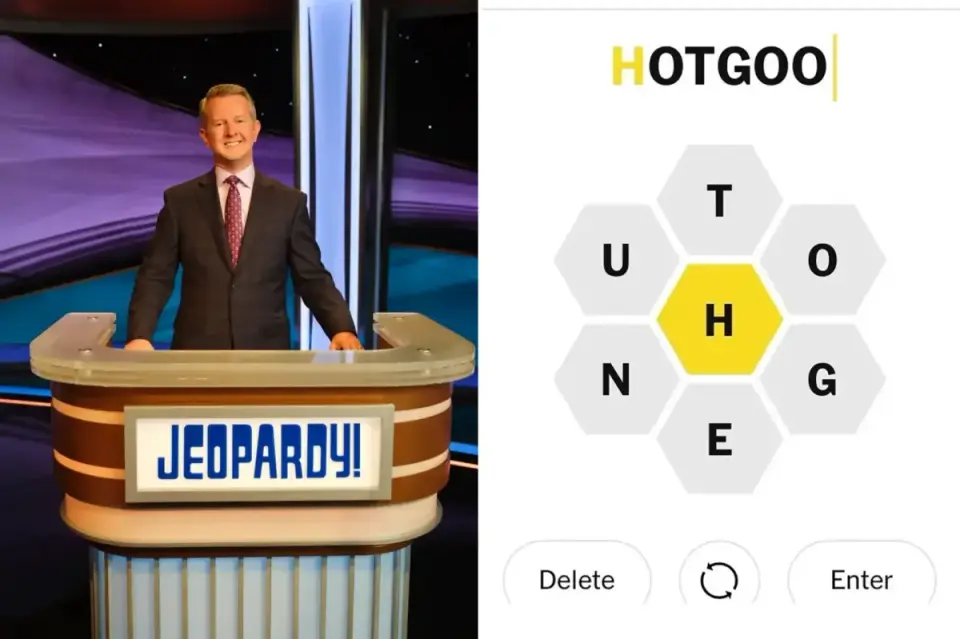
Jeopardy! host Ken Jennings faced online criticism after sarcastically claiming he had 'express permission' from the transgender community to continue subscribing to New York Times games, dismissing calls to boycott the outlet over its coverage of trans issues.
Key points
- Jennings posted on Bluesky about playing NYT Spelling Bee with his wife, prompting a user to argue that using NYT products insults transgender people.
- Jennings responded with a satirical comment, stating he had received formal approval from the trans community to keep his subscription, including a news subscription, after a 30-day written request process.
- The original user and other commenters criticized Jennings for trivializing their concerns, with some calling his response dismissive and demanding an apology.
- Jennings has not responded to the backlash or apologized as of the report, leading to further frustration among critics who felt he ignored the seriousness of the issue.
- Journalist Jesse Singal noted that the outrage may reflect the polarized nature of Bluesky rather than broader public sentiment, suggesting that most transgender people are more likely to play NYT games than to be upset by others doing so.
Background
This incident follows years of criticism from transgender activists and organizations like GLAAD regarding The New York Times' coverage of transgender issues. In 2023, hundreds of NYT contributors and thousands of subscribers signed an open letter condemning the paper's coverage. Jennings, who has previously supported transgender rights, including criticizing California Governor Gavin Newsom's stance on transgender youth in July 2025, found himself at the center of this debate due to his sarcastic defense of his NYT subscription.
Why it matters
The controversy highlights ongoing tensions between media outlets and activist groups over coverage of transgender issues, as well as the impact of social media platforms in amplifying polarized views. It also raises questions about the effectiveness of boycotts and the role of public figures in navigating sensitive social issues.
What to watch
Jennings may face continued online criticism unless he issues an apology or addresses the concerns raised by transgender activists. The New York Times may also face increased scrutiny over its coverage of transgender issues, potentially leading to further calls for boycotts or changes in editorial policy.
Want the full story? Read the original reporting
Read on New York Post