
Maine Launches Peer-Supported Mental Health Network for Farmers Facing PFAS Contamination
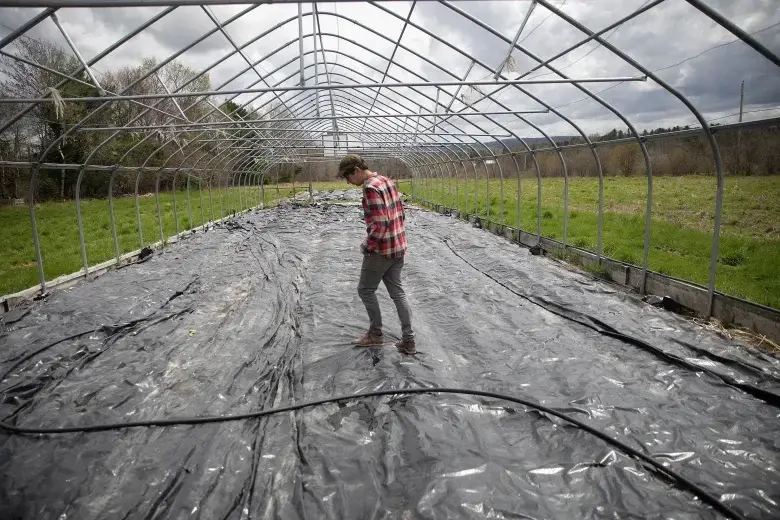
Maine is implementing a new mental health support system for farmers affected by PFAS contamination, utilizing peer mentoring and specialized crisis line training to address the severe psychological trauma associated with losing livelihoods and facing health risks from 'forever chemicals.'
Key points
- The state is shifting focus from land protection to human well-being by creating a networked mental health support system for farmers impacted by PFAS.
- The initiative includes specialized training for 988 and 211 crisis line operators to handle the unique stresses of agricultural contamination and a peer-to-peer mentoring program led by experienced farmers.
- A MaineHealth Institute study found that learning about high PFAS levels increased health worry by 130% and general anxiety by 60% among affected families.
- Farmers face suicide rates 3.5 times higher than the general public, with PFAS exposure amplifying existing stress through financial instability and health fears.
- The state’s PFAS Fund has spent or planned to spend $44 million of its $60 million allocation, with $2.6 million in direct assistance provided to farmers for income replacement and business restructuring.
Background
This development follows Maine’s earlier leadership in the national PFAS crisis, which included a statewide review of sludge-derived fertilizers and a ban on their use. The state previously enacted legislation requiring private insurers to cover PFAS blood testing costs, establishing a financial safety net for physical health. The current mental health initiative complements these policy wins by addressing the emotional toll of contamination, which often manifests years after initial discovery. The broader context includes ongoing concerns about the long-term health effects of PFAS, such as kidney cancer and weakened immune systems, which have been linked to decades of using treated sewage sludge as fertilizer in Maine since the 1970s.
Why it matters
The initiative addresses a critical gap in rural support systems, recognizing that the financial and physical health impacts of PFAS contamination are compounded by severe psychological distress. By leveraging existing community resources rather than building new agencies, the state aims to provide sustainable, empathetic support to a vulnerable population facing uncertain futures and potential business failures.
What to watch
The state expects a wave of costly requests for financial help and farm buybacks as more farmers realize their businesses are unsustainable. Policymakers aim to have the farmer-designed mental health program fully operational to assist these new victims in overcoming emotional trauma. The PFAS Fund Advisory Committee will continue to monitor spending, which has been slower than projected due to the lengthy process farmers face in realizing damage and applying for aid.
Want the full story? Read the original reporting
Read on pressherald.com