
First Australian Sea Lion Dies of Bird Flu, Heightening Extinction Fears
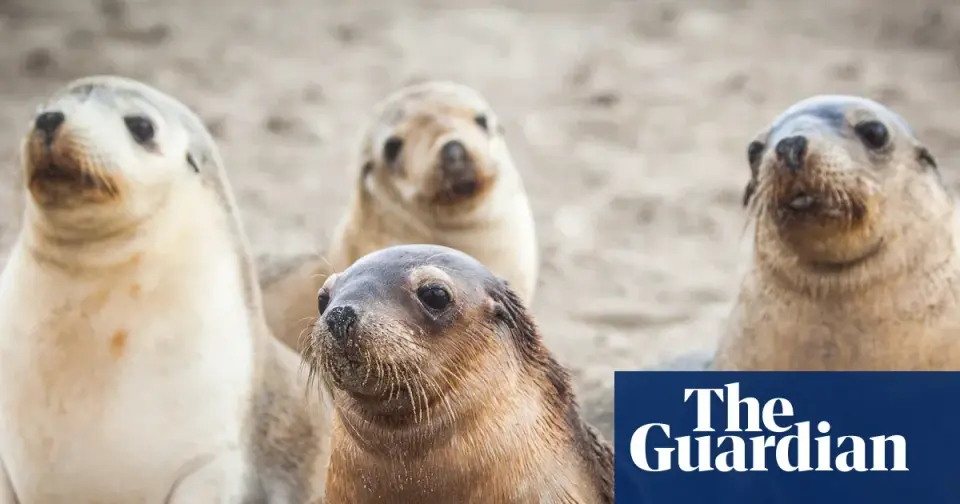
South Australia confirmed the first death of an endangered Australian sea lion from H5 bird flu at Seal Bay on Kangaroo Island. The animal, which had been recovering from a shark attack, succumbed to the virus, marking a critical milestone in the spread of avian influenza to marine mammals. With fewer than 12,000 sea lions remaining globally, experts warn that the virus could cause catastrophic population declines. Conservation groups are demanding increased funding and experimental vaccines to prevent further losses, while authorities monitor the situation closely given the species' vulnerability.
Key points
- The first confirmed H5 bird flu death in an Australian sea lion occurred at Seal Bay, Kangaroo Island, where approximately 800 individuals reside.
- The deceased sea lion had been monitored for three months after a shark attack; tests confirmed the virus, not the injury, caused its death.
- Australia’s total Australian sea lion population is estimated at fewer than 12,000, with 85% located in South Australia.
- The species is already declining at a rate of 2% per year, independent of the virus, making it highly vulnerable to additional mortality.
- Conservation groups are calling for a $200 million wildlife resilience fund, noting that only $20 million is currently allocated for such efforts.
Background
H5N1 bird flu reached Australia’s mainland in late June 2026, initially detected in seabirds and later in a long-nosed fur seal in August. Previous outbreaks in sub-Antarctic regions, such as Heard Island, resulted in the death of over 13,000 elephant seal pups, highlighting the potential severity for pinnipeds. Authorities have been monitoring the virus’s spread across South Australia, including cases in little penguins and other marine species, while considering vaccination strategies for at-risk wildlife.
How outlets are covering it
The Guardian and ABC News focus on the confirmed death and the immediate threat to the endangered species, citing Environment Minister Emily Bourke’s statements on the lack of available mammal vaccines. Mirage News emphasizes the broader funding crisis, with the Australian Marine Conservation Society arguing that current allocations are insufficient to prevent extinction. While all sources agree on the severity of the situation, Mirage News places greater emphasis on political accountability and the need for a dedicated $200 million fund, whereas the primary sources highlight the scientific and logistical challenges of vaccination and monitoring. Adelaide Now was inaccessible due to a bot challenge, so its perspective could not be assessed.
Why it matters
The death of an Australian sea lion from bird flu signals a significant escalation in the virus’s impact on marine mammals. Given the species' small population size and existing decline, even limited infections could lead to irreversible losses. This event underscores the urgent need for effective conservation strategies, including experimental vaccines and increased funding, to protect biodiversity and prevent further extinctions in Australia’s unique wildlife.
What to watch
Authorities will continue monitoring the Australian sea lion population at Seal Bay and other colonies for signs of infection. The government is in discussions with the federal level regarding the potential trial of experimental vaccines, similar to those used in Hawaii for monk seals. Conservation groups will likely intensify their advocacy for increased funding and broader vaccination programs. Public reporting of sick or dead wildlife will remain critical for tracking the virus’s spread, with the Emergency Animal Disease Hotline serving as a key reporting channel.
- First H5 bird flu death of endangered Australian sea lion recorded amid fears for small population The Guardian
- SA records first bird flu case in sea lion, environment minister says abc.net.au
- Aussie Sea Lion Death Highlights Wildlife Funding Crisis Mirage News
- Bird flu fears rise as dead dolphin and sea lion found Adelaide Now
- Australia confirms H5 bird flu in a pelican for the first time UA.NEWS
Want the full story? Read the original reporting
Read on The Guardian