Tag

Wildlife Conservation

All articles tagged with #wildlife conservation

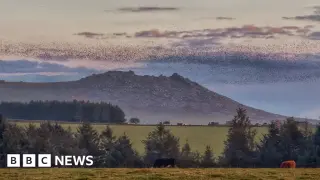
UK researchers launch decade-long starling survey to track murmuration shifts
science-and-nature3 days ago

UK researchers launch decade-long starling survey to track murmuration shifts

Researchers from the University of Gloucester are updating a 2014-2016 study to monitor starling murmurations in the UK. The survey aims to determine if flock sizes, locations, and predator presence have changed over the past decade. While birdwatchers in Cornwall and Devon describe the displays as 'stunning' and 'hair-raising,' scientists remain uncertain about current population trends. Recent sightings in St. John’s, Canada, and Lincoln, England, highlight the phenomenon’s global appeal, though the UK study focuses specifically on local behavioral and numerical changes.
Arctic shorebird populations plummet as climate change disrupts migration timing and food sources
environment8 days ago

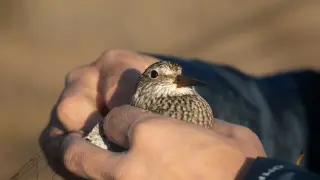
Arctic shorebird populations plummet as climate change disrupts migration timing and food sources

Nearly half of the 41 shorebird species breeding in Alaska are declining, with some losing over 50% of their population in three decades. Pectoral sandpipers, which fly 17,000 miles annually, face critical threats from habitat loss and climate-driven mismatches between their arrival and insect availability. Researchers use new tracking technology to monitor these 'sentinel' species, warning that failure to adapt could lead to extinction.

54 Olive Ridley Hatchlings Released After Historic California Nesting
environment9 days ago

54 Olive Ridley Hatchlings Released After Historic California Nesting

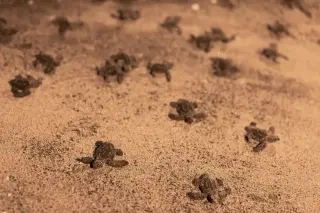
The U.S. Fish and Wildlife Service and the Aquarium of the Pacific released 54 olive ridley sea turtle hatchlings into the Pacific Ocean on November 14, 2026. These young turtles emerged from eggs laid on September 16 near Seal Beach, marking the first confirmed natural nesting of sea turtles on the U.S. West Coast. The eggs were relocated to the Aquarium of the Pacific in Long Beach in late September to protect them from high surf and storm surges. After a 58-day incubation period, the hatchlings were returned to the beach in the early morning hours to minimize human disturbance. A second batch of hatchlings from a Huntington Beach nest was released shortly after. While the survival rate for these turtles is estimated at one in 1,000, officials view this event as a significant conservation milestone, potentially linked to record-high ocean temperatures driven by a strong El Niño event.

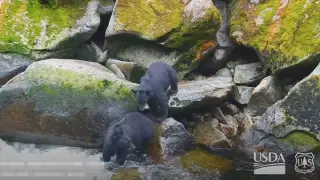
Alaskan Bear Cub Earns 2026 Courageous Cub Award for Self-Rescue
wildlife11 days ago

Alaskan Bear Cub Earns 2026 Courageous Cub Award for Self-Rescue

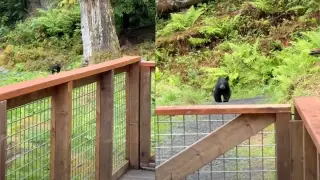
An unnamed black bear cub in Tongass National Forest, Alaska, has been awarded the 2026 Courageous Cub Award by park rangers. The cub, belonging to a mother named Dory, became separated from her during the summer and wandered half a mile down a trail. After approaching visitors and running in the wrong direction, the cub used its keen sense of smell to locate its mother and sibling hours later. This incident highlights the resilience of young bears in the region, which is home to 39 monitored bears at the Anan Wildlife Observatory.

Super El Niño Triggers Unprecedented Marine Die-offs and Species Shifts Along California Coast
environment11 days ago

Super El Niño Triggers Unprecedented Marine Die-offs and Species Shifts Along California Coast

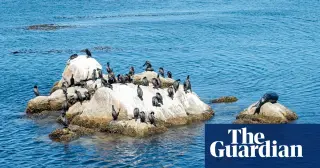
A historic 'super' El Niño is causing record-high ocean temperatures and nutrient depletion along California's coast, leading to mass seabird deaths, kelp forest collapse, and the arrival of tropical species. Scientists warn that these changes, compounded by climate change, are creating a cascading crisis for marine ecosystems, though restoration efforts offer some hope for recovery.

Chickadees Face Winter Survival Crisis; Simple Water Strategy Offers Critical Aid
nature15 days ago

Chickadees Face Winter Survival Crisis; Simple Water Strategy Offers Critical Aid

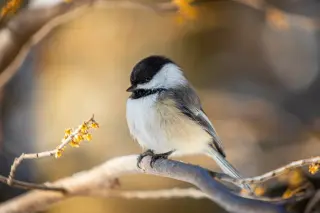
Chickadees, weighing roughly two quarters, struggle to survive winter nights due to limited fat reserves. While cold is rarely the direct cause of death, the inability to replace energy lost through shivering and regulated hypothermia is fatal. The primary threat arises when snow or ice covers natural food sources or freezes water, which birds need for drinking and feather maintenance. Providing unfrozen water is identified as the most effective intervention. This should be combined with high-energy foods like black-oil sunflower seeds and suet, as well as leaving nest boxes up for shelter. Establishing these resources in fall allows birds to map them before deep winter arrives.

Killerton National Trust reports stable hazel dormouse populations despite national decline
environment16 days ago

Killerton National Trust reports stable hazel dormouse populations despite national decline

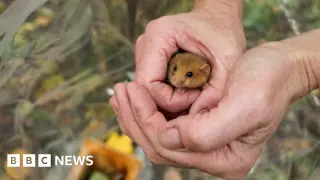
Hazel dormice at Killerton National Trust in Devon are thriving and spreading across the estate, bucking a national trend of significant population decline. Conservation efforts, including extensive hedge planting and habitat connectivity, have stabilized local numbers since 2018. As temperatures drop, the animals are preparing for hibernation, with experts noting that resilient ecosystems and diverse food sources are critical for their winter survival.

Scottish ecologist faces suspension after wildlife charities condemn his decision to keep rescued badger
animals18 days ago

Scottish ecologist faces suspension after wildlife charities condemn his decision to keep rescued badger

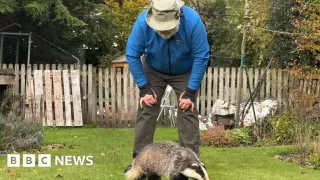
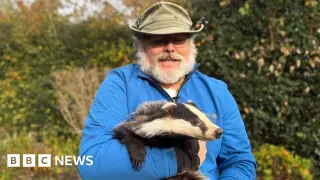
Graeme Wilson, a Scottish ecologist, has been suspended from the British Wildlife Rehabilitation Council after three major wildlife charities criticized his decision to retain custody of a badger named Harriet. Wilson rescued the animal from a cattle trough in April, arguing she was too habituated to humans to survive in the wild. NatureScot rejected his application for an educational license, and the charities stated that her only viable options are euthanasia or placement in a sanctuary, warning that keeping her in captivity violates welfare principles.

Researchers use GPS data and virtual simulations to map grizzly bear movement in fragmented wilderness
science-and-nature19 days ago

Researchers use GPS data and virtual simulations to map grizzly bear movement in fragmented wilderness

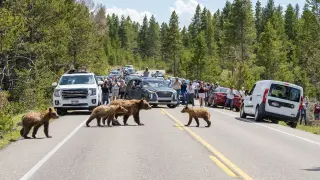
Scientists in the U.S. and Canada are using high-resolution GPS tracking and virtual simulations to understand how grizzly bears navigate fragmented landscapes. Research reveals that while bears possess strong food memories, they struggle with highway barriers, leading to fatal collisions. Conservation efforts focus on creating connected corridors and managing human recreation to reduce conflict in the Yellowstone-to-Yukon region.

Anthrax Outbreak Claims 30 Hippos in Congo’s Virunga Park
environment19 days ago

Anthrax Outbreak Claims 30 Hippos in Congo’s Virunga Park

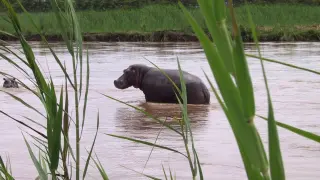
At least 30 hippos have died from anthrax in Virunga National Park, the oldest national park in Africa, since the outbreak began in September. Laboratory tests confirmed the cause of death, and officials attribute the spread to recent heavy rainfall. While no new cases have been reported in the last two weeks, monitoring continues as park authorities manage carcasses and warn local communities against handling dead animals.

West of England highlights: Amur tiger cubs debut, AI bat survey, and Halloween pumpkin harvests
regional-news23 days ago

West of England highlights: Amur tiger cubs debut, AI bat survey, and Halloween pumpkin harvests

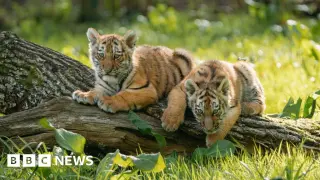
A weekly visual roundup from the West of England highlights the arrival of two rare Amur tiger cubs at Longleat Safari Park, the use of artificial intelligence to detect rare bat species in Somerset, and large-scale pumpkin picking events in Glouceshire. The report also notes community initiatives for women’s safety during evening runs and a poppy display honoring wartime farming efforts.

UK Wildlife Groups Demand Speed Reductions After Surge in Red Squirrel Vehicle Collisions
environment23 days ago

UK Wildlife Groups Demand Speed Reductions After Surge in Red Squirrel Vehicle Collisions

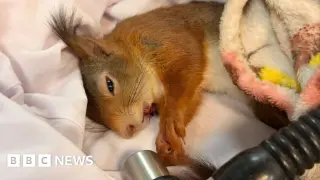
UK conservationists are urging drivers to reduce speeds after seven red squirrels were injured in vehicle collisions within a single day. The incident highlights the ongoing danger posed by road traffic to native wildlife populations. While the specific locations and circumstances of the collisions were not detailed in the report, the sudden spike in injuries has prompted immediate calls for heightened driver awareness. This event underscores the persistent threat that roads pose to vulnerable species, even in areas where wildlife corridors are established. The appeal for slower driving is part of broader efforts to mitigate human-wildlife conflicts on the road network.