
Daytime Bites and Rain: Asian Tiger Mosquitoes Surge in Chicago and Niagara
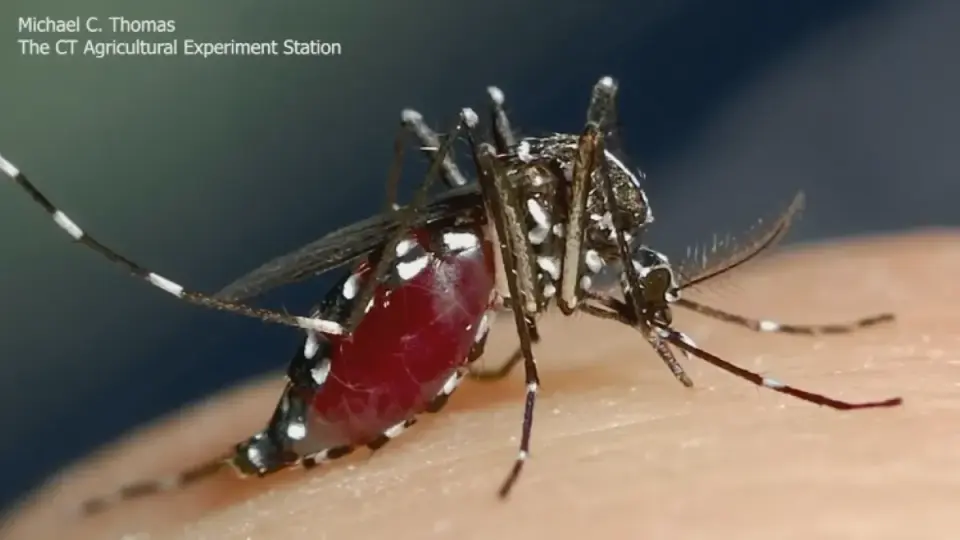
Residents in Chicago and Niagara are reporting increased mosquito bites this summer, driven by the invasive Asian tiger mosquito (Aedes albopictus). Unlike typical mosquitoes, this species feeds during the day and thrives in the heavy rainfall that has created abundant standing water. While the insects are primarily a nuisance, officials urge residents to eliminate breeding sites and use repellents to mitigate the growing population.
Key points
- The Asian tiger mosquito is an invasive species that feeds during daylight hours, unlike most mosquitoes which are active at dusk or dawn.
- Chicago abatement districts report higher mosquito activity, with the Asian tiger mosquito ranking as the third-most common species trapped in the North Shore area.
- Heavy rainfall in Chicago, with Midway Airport recording over 20 inches of rain since June, has created ideal breeding conditions in standing water.
- Niagara Region Public Health detected a single Asian tiger mosquito in Lincoln, Ontario, which tested negative for viruses but prompted public health alerts.
- Experts emphasize that while the species can transmit diseases like West Nile, it is currently a nuisance in these regions, and residents should drain standing water and use EPA-registered repellents.
Background
The Asian tiger mosquito has been spreading across North America since its arrival in the United States in 1985, initially via imported tire casings. It has since established populations in over 20 U.S. states and parts of Canada, including Windsor, Ontario, where it was first detected in 2016. Recent coverage highlights how climate conditions, such as heavy rainfall, exacerbate the spread of these invasive species, turning them from occasional nuisances into significant public health concerns.
How outlets are covering it
NBC Chicago and Block Club Chicago focus on the local impact in the Chicago area, highlighting the species' daytime activity and the role of heavy rainfall in boosting populations. Block Club Chicago notes that while the mosquitoes are capable of transmitting serious diseases like dengue and Zika, these viruses are not currently present in Illinois, making the primary concern annoyance rather than disease. In contrast, Niagara Region Public Health and Global News emphasize the detection of the species in Ontario, stressing the importance of surveillance and public awareness despite the low risk of virus transmission. While Chicago outlets discuss the species as a growing nuisance, Canadian officials frame the finding as a new species detection requiring community vigilance.
Why it matters
The spread of the Asian tiger mosquito highlights the growing impact of invasive species on public health and daily life. As climate patterns shift, creating more standing water, residents face increased exposure to bites and potential disease vectors. Understanding the behavior of these insects and taking preventive measures is crucial for managing their impact on communities.
What to watch
Public health officials in both Chicago and Niagara will continue monitoring mosquito populations and disease transmission. Residents are encouraged to report standing water and use preventive measures to reduce mosquito breeding. Further surveillance will help determine if the species becomes a more significant disease vector in these regions.
- Getting eaten up this summer? Invasive Asian tiger mosquitoes may be to blame NBC 5 Chicago
- Feel Like Mosquitoes Are Biting More This Summer? You’re Not Wrong Block Club Chicago
- Asian tiger mosquito found in Niagara Niagara-on-the-Lake Local
- ‘Aggressive’ Asian tiger mosquito found in Niagara Region Global News
- ‘Aggressive’ daytime biter: Tiger mosquito detected in Niagara Region, health unit says CTV News
Want the full story? Read the original reporting
Read on NBC 5 Chicago