
Leaked Memos Reveal Plastics Industry Knew of Microplastic Health Risks Since 1974
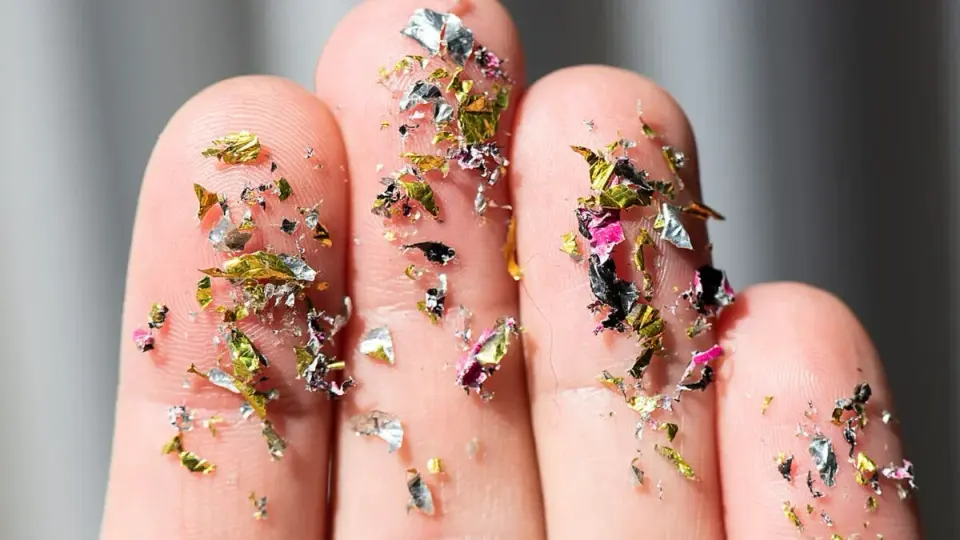
Newly uncovered internal documents reveal that major chemical companies have known for over 50 years that ingested microplastics can migrate from the gut into human organs. While a recent Nature study confirms these particles generate harmful free radicals in water, industry groups argue that current evidence does not yet prove direct human harm, contrasting with public health experts who cite decades of suppressed knowledge.
Key points
- A Los Angeles Times investigation found internal memos showing chemical executives were aware of microplastic risks as early as 1974.
- Researcher Gerhard Volkheimer demonstrated that PVC particles could enter the bloodstream and organs within two hours of ingestion.
- A recent Nature study found that microplastics generate reactive oxygen species in water, challenging the belief that plastic is chemically inert.
- Industry representatives argue that scientific debate is not silence, while public health experts claim the industry suppressed known risks for decades.
- Microplastics have been detected in human blood, breast milk, and organs, but definitive links to specific diseases remain under investigation.
Background
Our archive from late October 2026 highlights a growing body of research challenging the assumption that plastics are inert. Recent studies published in Nature have shown that microplastics generate DNA-damaging radicals when exposed to water, potentially explaining cellular damage. This current story adds a historical dimension to those findings by revealing that industry awareness of these mechanisms predates modern scientific consensus by half a century.
How outlets are covering it
The Los Angeles Times and Yale E360 emphasize the long-standing suppression of knowledge, citing internal memos from companies like Union Carbide and Shell that referenced Volkheimer’s 1974 findings as a 'horror story.' Stanford epidemiologist Tracey Woodruff argues these documents prove a deliberate silence on risks. Conversely, the American Chemistry Council’s Craig Davis disputes this, stating that scientific debate is not silence and that the industry supports independent research. Davis argues that Volkheimer’s animal studies do not prove harm from real-world human exposure. The UConn Daily Campus takes a more activist stance, comparing the situation to the lead ban and urging immediate legislative action, whereas industry representatives like Ross Eisenberg argue that the media is moving faster than the science.
Why it matters
This revelation shifts the debate from whether microplastics are harmful to how long the industry knew about the risks. If the industry suppressed evidence of organ accumulation for decades, it raises questions about the reliability of current safety assessments. As microplastics are now found in nearly all human tissues, understanding the historical context of this knowledge is crucial for developing effective regulations and public health policies.
What to watch
Regulators and lawmakers are likely to scrutinize the newly surfaced documents as they consider new legislation, such as the Microplastics Safety Act. The EPA has already begun tackling microplastics in drinking water, and further studies are needed to confirm the direct causal link between microplastic exposure and specific diseases like cancer and heart disease.
- Chemical Industry Has Known Risks of Microplastics for Decades Gizmodo
- Scientists were unsure of how microplastics harmed the body — until now The Washington Post
- Industry Knew for Decades That Microplastics Could Infiltrate Human Bodies Yale E360
- Industry executives knew for decades that microplastics were infiltrating the human body Los Angeles Times
- In Medias Res: We need to be more afraid of microplastics UConn Daily Campus
Want the full story? Read the original reporting
Read on Gizmodo