Tag

Microplastics

All articles tagged with #microplastics

Lab gloves may inflate microplastics measurements
science11 days ago

Lab gloves may inflate microplastics measurements

University of Michigan researchers found that nitrile and latex gloves shed stearate particles that mimic microplastics and contaminate samples, potentially inflating reported microplastics levels; cleanroom gloves release far fewer particles, and the team developed methods to differentiate true microplastics from glove-derived contaminants so earlier data can be revisited with improved accuracy.

Glove Residues May Skew Microplastic Measurements, U-M Researchers Find
science12 days ago

Glove Residues May Skew Microplastic Measurements, U-M Researchers Find

A University of Michigan study shows nitrile and latex gloves shed stearates that resemble microplastics and can cause about 2,000 false positives per square millimeter in measurements. Cleanroom gloves release far fewer particulates, reducing contamination, and the team developed methods to distinguish glove-derived contaminants from true microplastics, enabling researchers to revisit affected datasets.

Kimchi bacteria may help flush nanoplastics from the gut
science12 days ago

Kimchi bacteria may help flush nanoplastics from the gut

Scientists identified a kimchi-derived bacterium that can bind nanoplastics in a gut-like environment, capturing about 57% of particles versus 3% for a comparison strain and about 87% binding before digestion. In germ-free mice, those given the kimchi bacterium excreted more nanoplastics in feces, suggesting the gut could serve as an initial barrier to plastic exposure. The finding is promising but preliminary—human relevance remains unproven, and longer studies plus human trials are needed; next steps include screening other fermented foods for stronger binders and pursuing clinical testing.

Virginia Teen Invents Magnetic Water Filter That Captures Nearly 96% of Microplastics
science18 days ago

Virginia Teen Invents Magnetic Water Filter That Captures Nearly 96% of Microplastics

A Virginia high school student, Mia Heller, built a three‑chamber ferrofluid–based water filter that uses a magnetic field to pull microplastic particles from water and recover the ferrofluid for reuse. In testing, the device removed about 95.5% of microplastics and recovered 87% of the ferrofluid, performing in the same range as some traditional treatment plants. The concept could fit under-sink use, but challenges remain in safely disposing of captured plastics and scaling ferrofluid production for larger applications, with results pending professional testing.

Everyday Exposures That Could Raise Cancer Risk—and How to Cut Your Odds
health19 days ago

Everyday Exposures That Could Raise Cancer Risk—and How to Cut Your Odds

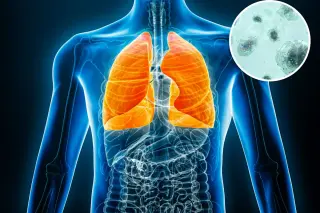
The piece reviews how common environmental factors—radon gas in homes, lingering asbestos in older buildings, microplastics, and outdoor air pollution—are linked to cancer risk and offers practical steps to reduce exposure: test homes for radon and mitigate if high; have asbestos safely removed by professionals (EPA banned asbestos in 2024); minimize microplastic exposure by choosing mindful personal care products and avoiding heavy plastic use; reduce air-pollution exposure with measures like masks and at-home air purifiers; and embrace overall healthy lifestyle habits to lower cancer risk.

Heat Food in Glass, Not Plastic: Oncologists Warn of Cancer Risk
health21 days ago

Heat Food in Glass, Not Plastic: Oncologists Warn of Cancer Risk

Oncologists warn that microwaving food in plastic can cause chemical leaching (including BPA, phthalates, styrene, and PFAS) that may disrupt hormones and contribute to cancer risk. While the exact level of risk is still being studied, reducing exposure—by heating in glass or ceramic, using microwave-safe lids or parchment, avoiding reheating takeout containers, and storing leftovers in glass or stainless steel—can lower potential harm as researchers learn more.

Microplastics fuel global spread of antibiotic‑resistant bacteria via biofilms
environment23 days ago

Microplastics fuel global spread of antibiotic‑resistant bacteria via biofilms

A Plymouth Marine Laboratory–Exeter study shows microplastics act as mobile surfaces for microbial communities, forming dense biofilms (the Plastisphere) that carry antibiotic‑resistance genes and potentially resistant pathogens. These plastics can transport microbes from hospital wastewater to rivers and oceans, with downstream and marine environments showing higher resistance gene levels, especially on polystyrene and nurdles. The findings highlight the need for closer monitoring of microplastics, reducing plastic pollution, and careful handling during beach cleanups to protect ecosystems and human health.

Brewing May Release Billions of Plastic Particles From Tea Bags
science24 days ago

Brewing May Release Billions of Plastic Particles From Tea Bags

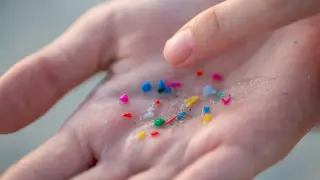
A review in Food Chemistry finds teabags—often made with plastic mesh or mixed materials—are a leading source of microplastics and nanoplastics in tea. When exposed to boiling water, some bags can release more than a billion particles into the brew, with studies reporting up to 14.7 billion particles per bag depending on methods and detection. Results vary due to testing techniques and contamination risks, and researchers also note possible leaching of plastic additives, though health implications for humans remain unproven. The takeaway is that familiar tea packaging can be a major source of plastic contamination in tea, though exact quantities are not uniform across brands or studies.

Microplastics Found in Donated Brains; Dementia Patients Show Higher Burden
science26 days ago

Microplastics Found in Donated Brains; Dementia Patients Show Higher Burden

A Nature Medicine study of 52 donated brains found higher microplastic levels in brains from people with dementia than in those without; 2024 samples contained more microplastics than 2016, suggesting an association (not causation) between microplastics and neurodegenerative conditions and underscoring the need for further research and stronger plastic-reduction efforts.

Five Everyday Habits Doctors Say Most Impact Your Heart (In a Good Way)
health28 days ago

Five Everyday Habits Doctors Say Most Impact Your Heart (In a Good Way)

Cardiologists outline five everyday habits to avoid or modify for long-term heart health: limit red meat and fried/ultraprocessed foods in favor of lean proteins and olive oil-based patterns; don’t rely on crash diets or extreme workouts—consistency matters; don’t chase a perfect routine, but stay regularly active in small, sustainable ways; keep a consistent sleep schedule to protect blood pressure and reduce inflammation; and avoid single-use plastic bottles to cut microplastic exposure linked to heart risk. The overall message is to make gradual, lasting lifestyle changes rather than drastic short-term fixes.