
Paraquat Ban Fails in NY as Hebron Residents Cite Parkinson’s Cluster
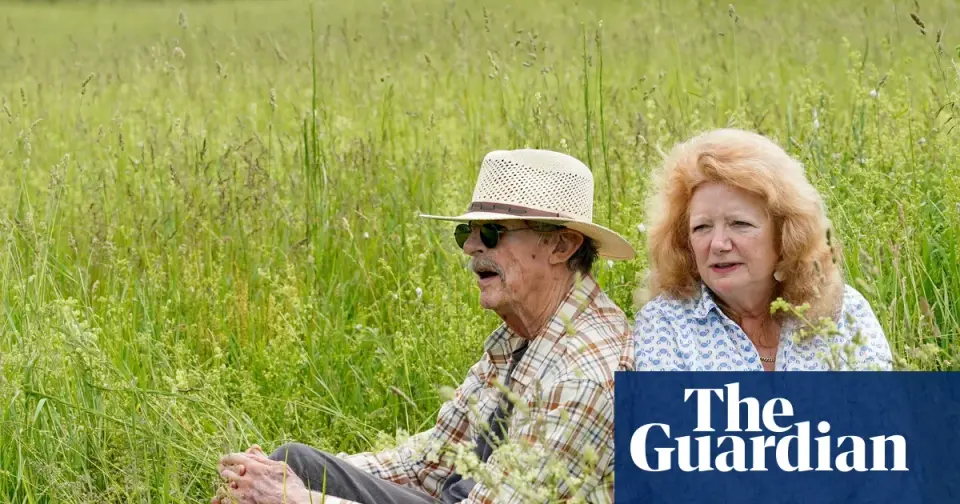
New York failed to ban the herbicide paraquat this session, despite a bill introduced by Assembly member Linda Rosenthal. The legislation died during a budget standoff, leaving residents of Hebron, a town dubbed 'Parkinson’s Valley,' without protection. Sarah Teale, whose husband Gordon Chaplin was diagnosed with Parkinson’s, links the disease cluster to decades of paraquat spraying on local farms. While 14 states introduced similar restrictions, only Vermont passed a ban. Syngenta, the primary manufacturer, is ceasing production by June 2026 due to competition, not safety concerns, and has set aside $792 million for lawsuits. Experts warn that generic producers may fill the void without a ban, continuing potential exposure risks linked to the chemical.
Key points
- New York’s paraquat ban bill failed to pass due to a legislative budget standoff, with sponsor Linda Rosenthal vowing to reintroduce it next session.
- Sarah Teale identifies a cluster of 14 Parkinson’s cases near her home in Hebron, attributing them to paraquat sprayed on her 200-acre farm for decades.
- Paraquat use in the US doubled between 2014 and 2018, reaching 11 million pounds annually, with New York ranking 31st in usage in 2018.
- Syngenta announced it will stop producing paraquat by June 2026, citing competition from generic producers rather than health concerns or litigation.
- The EPA requires special training for sprayers but has not linked paraquat to Parkinson’s, unlike other global health bodies, despite studies showing a 2.5x higher risk for farmers.
Background
This story follows earlier New York legislative and regulatory actions, such as the city’s new pied-à-terre tax targeting ultra-wealthy non-residents and the massive Micron semiconductor investment in Central New York. While those developments focus on fiscal policy and industrial growth, the paraquat issue highlights ongoing tensions between agricultural practices and public health in rural New York. The failure to ban paraquat contrasts with Vermont’s successful ban and the restrictions in over 70 other countries, underscoring a gap in New York’s environmental protections despite growing scientific evidence linking the herbicide to neurodegenerative diseases.
Why it matters
The failure to ban paraquat in New York leaves thousands of residents and farmers exposed to a chemical linked to Parkinson’s disease, particularly in communities like Hebron where cases are clustered. As Syngenta exits the market, the lack of a ban risks a surge in generic paraquat use, potentially exacerbating health risks. The legislative delay highlights the political challenges of balancing agricultural interests with public health, leaving affected families without immediate relief or accountability from manufacturers who have set aside hundreds of millions for lawsuits but deny causal links to the disease.
What to watch
Assembly member Linda Rosenthal plans to reintroduce the paraquat ban bill in the next legislative session. Syngenta will cease paraquat production by June 2026, but generic manufacturers may enter the market without a ban. The EPA is required to study how far paraquat vapors travel, potentially influencing future regulatory decisions. Residents in Hebron and other affected areas may continue to face health risks unless new restrictions are enacted or manufacturers voluntarily halt production.
Want the full story? Read the original reporting
Read on The Guardian