
Santa Barbara Confirms Dengue-Carrying Mosquitoes in Coastal Neighborhoods
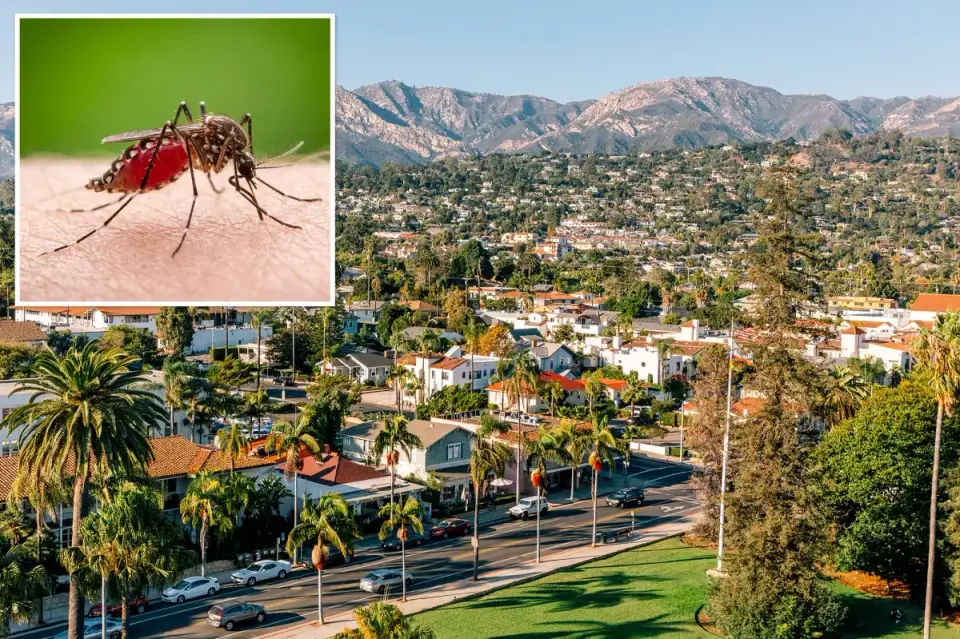
Santa Barbara County’s Mosquito and Vector Management District confirmed the presence of four Aedes aegypti mosquitoes, known as 'ankle biters,' in various coastal neighborhoods. These insects, native to Sub-Saharan Africa, are capable of transmitting dengue fever. The district urged residents to report daytime bites, as the species bites both indoors and outdoors. This discovery follows earlier sightings of the same species in Goleta and Carpinteria, alongside the arrival of another non-native species, Aedes notoscriptus, earlier this year.
Key points
- Four Aedes aegypti mosquitoes were trapped in Santa Barbara on October 30, with two found near North Voluntario and East Cota streets, one at Laguna and East Carrillo, and one near East Victoria and Olive.
- The district noted that Aedes aegypti was previously found in eastern Goleta Valley on October 20 and in Carpinteria in July.
- A second non-native species, Aedes notoscriptus, was detected in Santa Barbara’s West Side in March and the Mesa neighborhood in June.
- Both species are known for biting ankles and feet during the day, both indoors and outdoors, leading residents to nickname them 'ankle biters.'
- The district advised residents to contact them at 805-969-5050 if they experience aggressive daytime bites, as these mosquitoes can transmit dengue fever.
- Dengue fever, often called 'breakbone fever' due to severe body aches, typically shows symptoms 4 to 10 days after an infected bite, according to the Mayo Clinic.
Background
This local discovery in Southern California occurs against a backdrop of significant dengue outbreaks elsewhere in the United States. In Florida, the state has recorded 485 locally acquired dengue cases in 2026, marking its largest outbreak in decades, with Hillsborough County accounting for the majority of infections. Earlier this year, health officials noted that Aedes aegypti mosquitoes are expanding their range in warm, urban areas across the U.S., driven by warmer temperatures and rapid urban growth. While most dengue infections are mild, a minority can progress to severe disease, and there is currently no general antiviral cure or vaccine for everyday travelers, making prevention through bite avoidance and standing water elimination critical.
Why it matters
The confirmation of Aedes aegypti in Santa Barbara signals a potential local risk for dengue transmission, a disease that can cause severe illness. The presence of these mosquitoes, which bite during the day and indoors, challenges traditional prevention methods that focus on dusk and outdoor activities. As Southern California experiences record heat and El Niño threats, creating ideal breeding conditions, residents must remain vigilant. The situation highlights the broader trend of non-native, disease-carrying mosquitoes establishing themselves in U.S. urban areas, necessitating proactive public health responses and community awareness to prevent local outbreaks.
What to watch
The Santa Barbara County Mosquito and Vector Management District is urging residents to report any aggressive daytime bites, both indoors and outdoors, to help track the spread of Aedes aegypti and Aedes notoscriptus. Public health officials are likely to increase monitoring and potentially implement control measures, such as spraying or larviciding, in affected areas. Residents are advised to eliminate standing water and use repellents to reduce the risk of bites. Given the recent history of these species in the region, continued surveillance will be crucial to prevent a local dengue outbreak.
Want the full story? Read the original reporting
Read on New York Post