Tag

Aedes Aegypti

All articles tagged with #aedes aegypti

Florida issues dengue alerts as locally acquired cases rise; how to guard against mosquitoes
public-health23 days ago

Florida issues dengue alerts as locally acquired cases rise; how to guard against mosquitoes

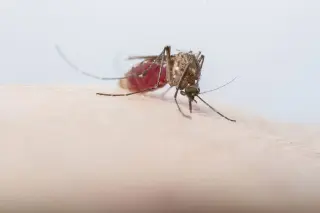
The Florida Department of Health in Miami-Dade County issued Aug. 3 alerts for dengue after a locally acquired case; three locally acquired dengue cases were reported between July 26 and Aug. 1, with four confirmed in 2026 across Hillsborough, Miami-Dade, and Palm Beach counties. Officials emphasize preventing mosquito-borne illness by eliminating standing water, using repellent (especially at dusk and dawn), securing entrances with screens, wearing long sleeves and pants, cleaning rain gutters, replacing outdoor water, and requesting mosquito inspections.

SoCal Mosquito Season Heats Up with Sterile-Mosquito Strategy and West Nile Watch
health1 month ago

SoCal Mosquito Season Heats Up with Sterile-Mosquito Strategy and West Nile Watch

Southern California is in peak mosquito season as West Nile–infected mosquitoes rise and invasive Aedes aegypti populations are targeted with Sterilized Insect Technique (SIT) releases. Authorities emphasize eliminating standing water to curb breeding, note SIT programs in the San Gabriel Valley and other areas as promising but still experimental, and report two human West Nile cases so far with no vaccine available.

San Gabriel Valley tests sterile-mosquito release to curb dengue risk
local1 month ago

San Gabriel Valley tests sterile-mosquito release to curb dengue risk

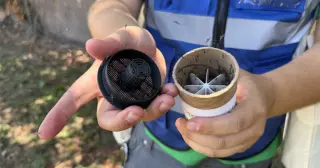
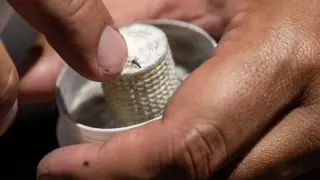
San Gabriel Valley Mosquito and Vector Control District is releasing about 480,000 sterile male Aedes aegypti mosquitoes over 16 weeks in a 25-acre Bassett area to prevent wild females from producing offspring, using Wolbachia bacteria; since these are males, they don’t bite, and the program aims to reduce mosquito bites and dengue risk as peak season arrives.

Sacramento deploys sterile-mosquito releases to tackle disease-spreading Aedes aegypti
health1 month ago

Sacramento deploys sterile-mosquito releases to tackle disease-spreading Aedes aegypti

Sacramento’s Rosemont neighborhood kicked off a Sterile Insect Technique program by releasing 144,000 sterile male Aedes aegypti mosquitoes to outcompete wild males and reduce the invasive population, part of a plan to release 2.3 million sterile insects over 16 weeks. The Wolbachia-based approach is environmentally friendly and targets only Aedes aegypti, with previous Natomas pilot showing up to 40% population reduction. The program aims to lower disease risk from dengue, Zika, and chikungunya, while public health officials emphasize the need for residents to drain standing water, use repellents, and report unusual activity. If successful, the program could expand to additional areas.

Cayman ramps up mosquito control with daytime aerial larviciding
local3 months ago

Cayman ramps up mosquito control with daytime aerial larviciding

With Cayman’s rainy season underway, the Mosquito Research and Control Unit is intensifying efforts, conducting island-wide daytime aerial larviciding to kill mosquito larvae before they become biting adults, alongside surveillance and biological controls. Scientists identify 36 species on the islands, notably Aedes aegypti, which spreads dengue, Zika and chikungunya. Mosquito bites are more likely in people with higher body heat and carbon dioxide output, skin bacteria, or sweat chemistry, and ankles, wrists, and neck are common bite sites. Residents are urged to remove standing water and support integrated pest management, including Gambusia fish, to curb emergences.

Heat signals: mosquitoes use infrared warmth to find humans, study shows
science3 months ago

Heat signals: mosquitoes use infrared warmth to find humans, study shows

A UCSB-led study found infrared radiation from human skin temperatures doubles female Aedes aegypti mosquitoes’ host-seeking when combined with CO2 and human odor, revealing a new heat-detection cue that helps mosquitoes locate humans up to ~70 cm away. The mechanism likely involves heat-activated neurons on the mosquitoes’ antennae rather than visible-light receptors, with implications for improved traps and understanding disease transmission as climate change expands mosquito ranges.

LA's Sterile Mosquito Plan Faces a Funding Hurdle
environment5 months ago

LA's Sterile Mosquito Plan Faces a Funding Hurdle

Los Angeles County’s vector-control district is expanding the sterile insect technique to curb Aedes aegypti mosquitoes linked to dengue, releasing sterilized males and seeking to broaden the program beyond Sunland-Tujunga. The expansion hinges on a new funding mechanism—a up to $20 per year per single-family home via a property benefit assessment on top of the existing $18.97—despite only 47% of ballots supporting the increase and opposition from some business owners. Pilot releases in two Sunland-Tujunga neighborhoods cut the female mosquito population by about 82%, but officials say broader adoption requires more funds and public buy-in; a second ballot round is planned while production continues in the insectary and field releases.

Authorities Warn of Disease Spread Across US Region
health9 months ago

Authorities Warn of Disease Spread Across US Region

Authorities in California are concerned about the spread of the invasive Aedes aegypti mosquito, which can transmit diseases like dengue and Zika, as it expands across multiple counties, driven by climate change and urbanization. Efforts include increased surveillance and community participation to control its spread, highlighting the need for environmental action to address broader ecological impacts.

Invasive Mosquitoes Detected Across Santa Clara County
health1 year ago

Invasive Mosquitoes Detected Across Santa Clara County

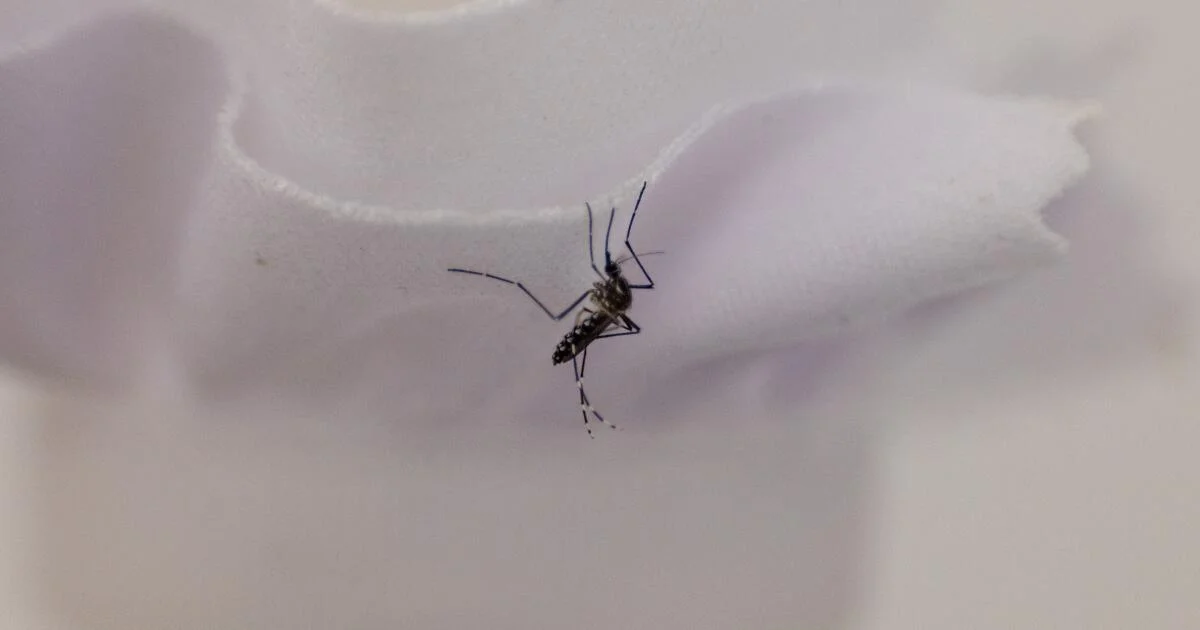
Santa Clara County officials have identified the invasive Aedes aegypti mosquito in six locations, including four in San Jose. Known for aggressive daytime biting, this mosquito can transmit diseases like dengue and Zika. The county urges residents to eliminate standing water and cooperate with inspections to prevent the mosquito from establishing a permanent presence. Efforts include larvicide spraying and public education on protective measures. The mosquito's spread is linked to climate change, and its presence is noted in 19 California counties.