
SoCal Mosquito Surge Drives West Nile Virus Cases to Five-Year High
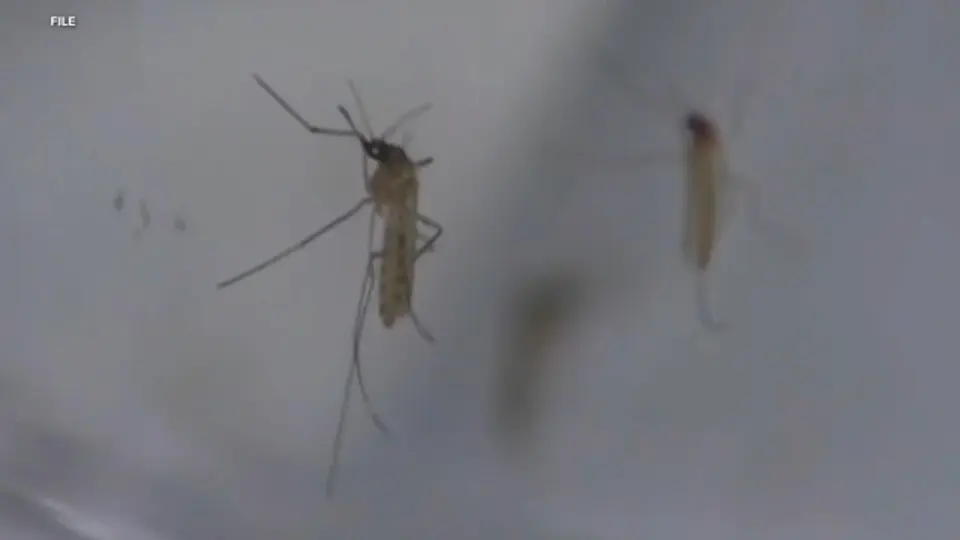
Southern California is experiencing an unusually early and intense mosquito season, driven by mild winters, recent rainfall, and extreme heat. This surge has led to a significant spike in West Nile virus (WNV) activity, with state data showing 86 human cases as of September 4, compared to 22 at the same time last year. While most infections are mild or asymptomatic, severe cases have resulted in at least six deaths statewide, including one in Yolo County and two in Butte County. Health officials warn that the combination of humidity and heat allows mosquitoes to live longer and breed more effectively, urging residents to use repellents and eliminate standing water to prevent further transmission.
Key points
- Mosquito activity in Southern California began approximately six weeks earlier than the historical peak of August-October.
- West Nile virus positivity in mosquito pools in Greater Los Angeles has reached 20%, up from 7.3% at the same time last year.
- California has recorded 86 human WNV cases and at least six deaths as of early September 2026, a sharp increase from 2025 figures.
- Yolo County reported its first WNV-related death of the year, involving a patient with neuroinvasive disease.
- Butte County has confirmed 11 human cases and two deaths, with new positive mosquito pools and sentinel chickens detected in early September.
Background
Previous coverage in August 2026 highlighted a national surge in West Nile virus cases, with over 180 cases reported across 30 states. At that time, experts attributed the rise to drought conditions concentrating mosquitoes and birds around shrinking water sources. Recent developments in Southern California, however, point to a different driver: increased humidity and rainfall following mild winters, which has created ideal breeding conditions for mosquitoes in the region.
How outlets are covering it
ABC7 Los Angeles emphasizes the role of climate factors, specifically mild winters and recent rainfall, in extending the mosquito season and increasing virus transmission in Southern California. KCRA and the Modesto Bee focus on the human impact, detailing specific hospitalizations and deaths in Yolo and Stanislaus counties, respectively, while highlighting the severity of neuroinvasive cases. The Gridley Herald provides a broader Northern California perspective, noting that Butte County has seen a steady rise in cases and deaths, with officials urging residents to eliminate standing water. While all sources agree on the need for protective measures, they differ in their primary focus: ABC7 highlights the environmental drivers, while the other outlets emphasize the public health consequences and specific local case counts.
Why it matters
The early and intense mosquito season poses a direct public health risk, particularly for older adults and those with compromised immune systems. The significant increase in West Nile virus cases and deaths underscores the need for proactive prevention measures. As climate patterns continue to shift, residents must remain vigilant in using repellents and eliminating breeding sites to mitigate the spread of the virus.
What to watch
Health officials are monitoring whether warming global conditions will make these early mosquito surges more common. Residents are advised to continue using EPA-registered insect repellents, wear long sleeves and pants during dawn and dusk, and eliminate standing water from their properties. Local mosquito control districts are available to assist with concerns and provide resources such as free mosquitofish in some areas.
- Seeing more mosquitoes across SoCal? Why they’re popping up sooner, living longer and biting more people ABC7 Los Angeles
- Person dies from severe form of West Nile virus, marking Yolo County's first death of the year KCRA
- More serious version of West Nile virus hospitalizes 3 people in Stanislaus County Modesto Bee
- Butte West Nile Cases Reach 11 gridleyherald.com
- West Nile virus is still active in county Escalon Times
Want the full story? Read the original reporting
Read on ABC7 Los Angeles