Researchers describe ionocaloric cooling, a salt-driven thermodynamic cycle that uses ion transport to shift a fluid’s melting point and absorb heat during phase change, potentially delivering a safer, low-GWP alternative to conventional refrigerants with scalability for cooling (and heating) applications.
A Financial Times Books Essay reviews two titles—Feed the People! and Meat—that argue not all ultra-processed foods are equal and that the future of feeding a growing population lies in embracing industrial innovation rather than shunning it. The authors praise the democratizing potential of shelf-stable foods (like Huel) while emphasizing the need to reduce meat consumption and pursue affordable meat substitutes, including plant-based ingredients and cultured meat. They warn of environmental and health risks from intensive farming, antibiotic resistance, and regulatory uncertainties, but advocate pragmatic government action to encourage healthier, scalable solutions without moralising. The piece also critiques nostalgic calls for a pre-industrial diet while acknowledging the social costs of current systems, such as poverty wages in the agrifood sector.
The New York Times explores whether grass-fed beef truly benefits the climate, finding that pasturing can reduce some impacts but can also entail higher emissions and land-use challenges than factory-farmed beef depending on management practices and regional conditions, making the climate benefit of grass-fed beef a nuanced, case-by-case assessment.
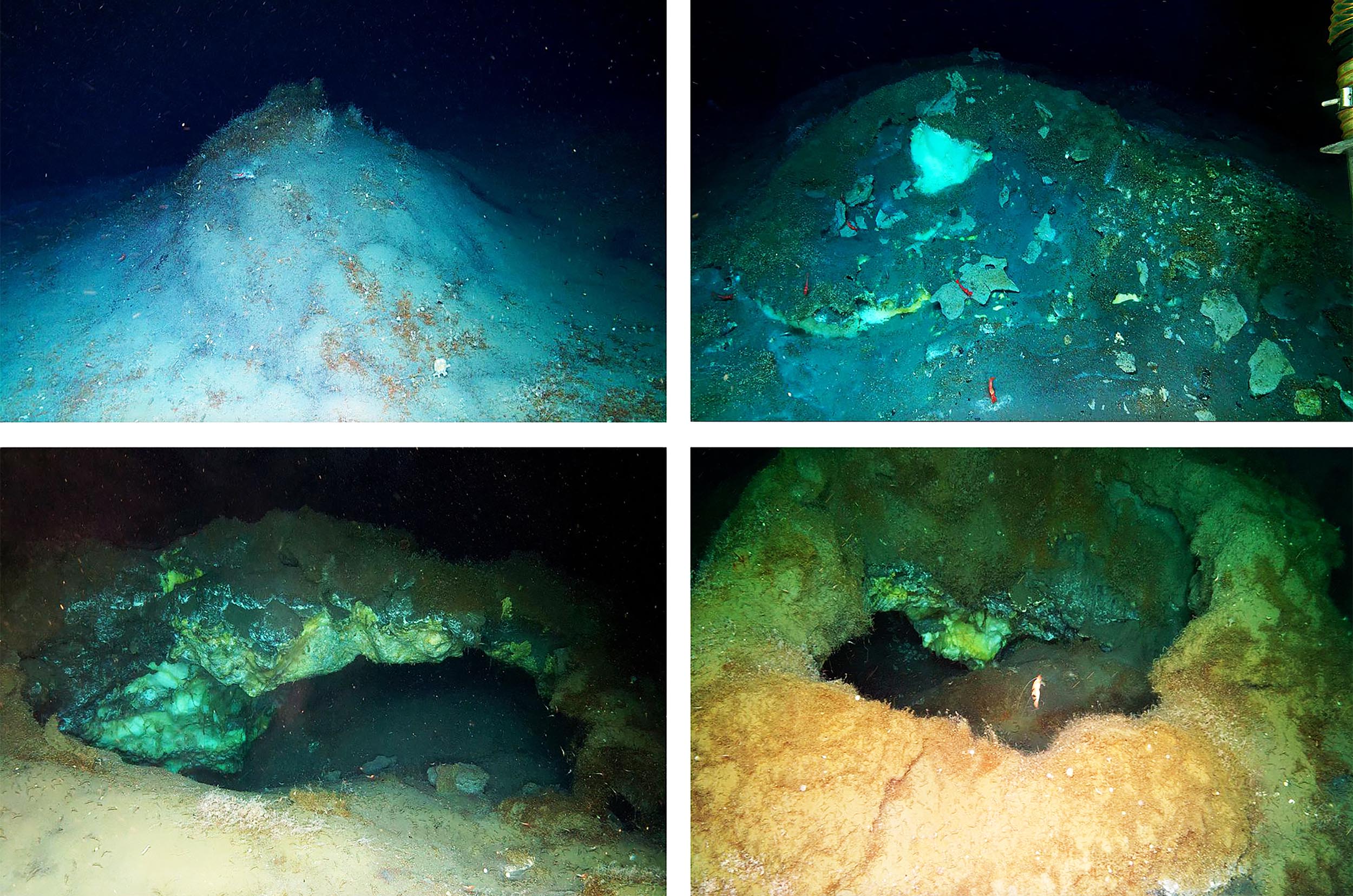
Researchers discovered the deepest known methane seep in the Arctic at nearly 12,000 feet deep, revealing a dynamic and biologically rich ecosystem that challenges existing understanding of deep-sea life and carbon cycling, with significant implications for climate change and environmental stewardship.
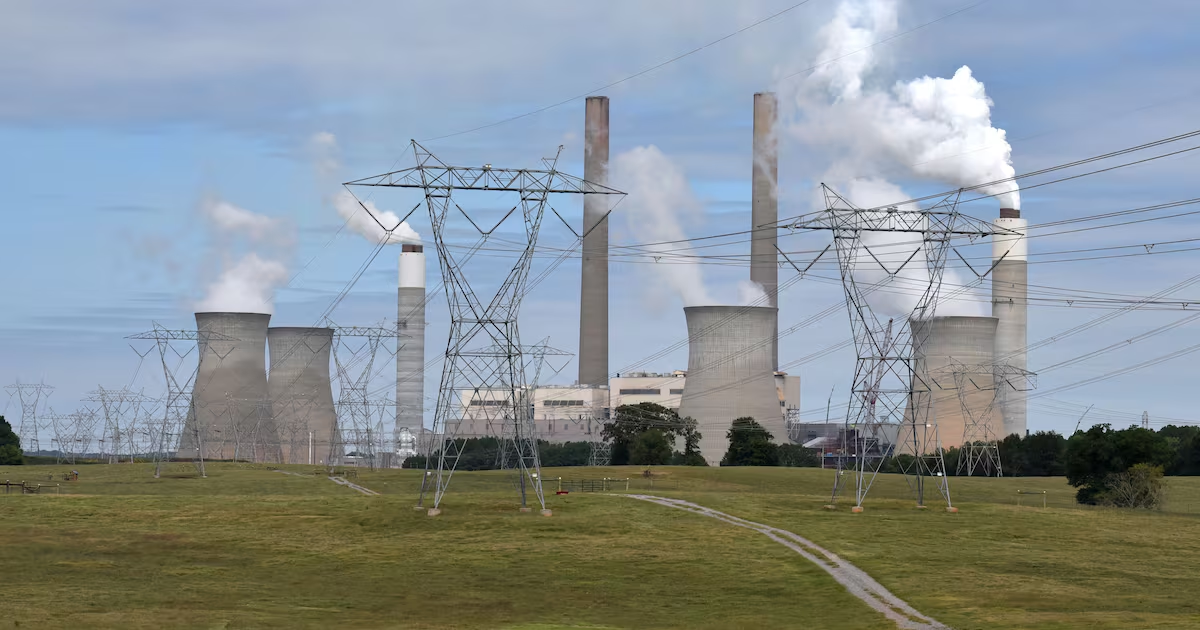
The Georgia Public Service Commission approved Georgia Power's $16 billion plan to expand its power fleet with new gas plants and infrastructure to support data centers, aiming to keep rates low but raising concerns about long-term costs, environmental impact, and financial risks for residential customers.
A report claims that the AI boom in 2025 has resulted in CO2 emissions equivalent to New York City, with AI-related water use surpassing global bottled-water demand, highlighting significant environmental impacts and calling for greater transparency and regulation of tech companies.
Wildfire smoke particles lofted high into the atmosphere can have a cooling effect on Earth's climate, and current climate models may need updating to include these large aerosols that increase outgoing radiation, potentially affecting weather and atmospheric circulation.
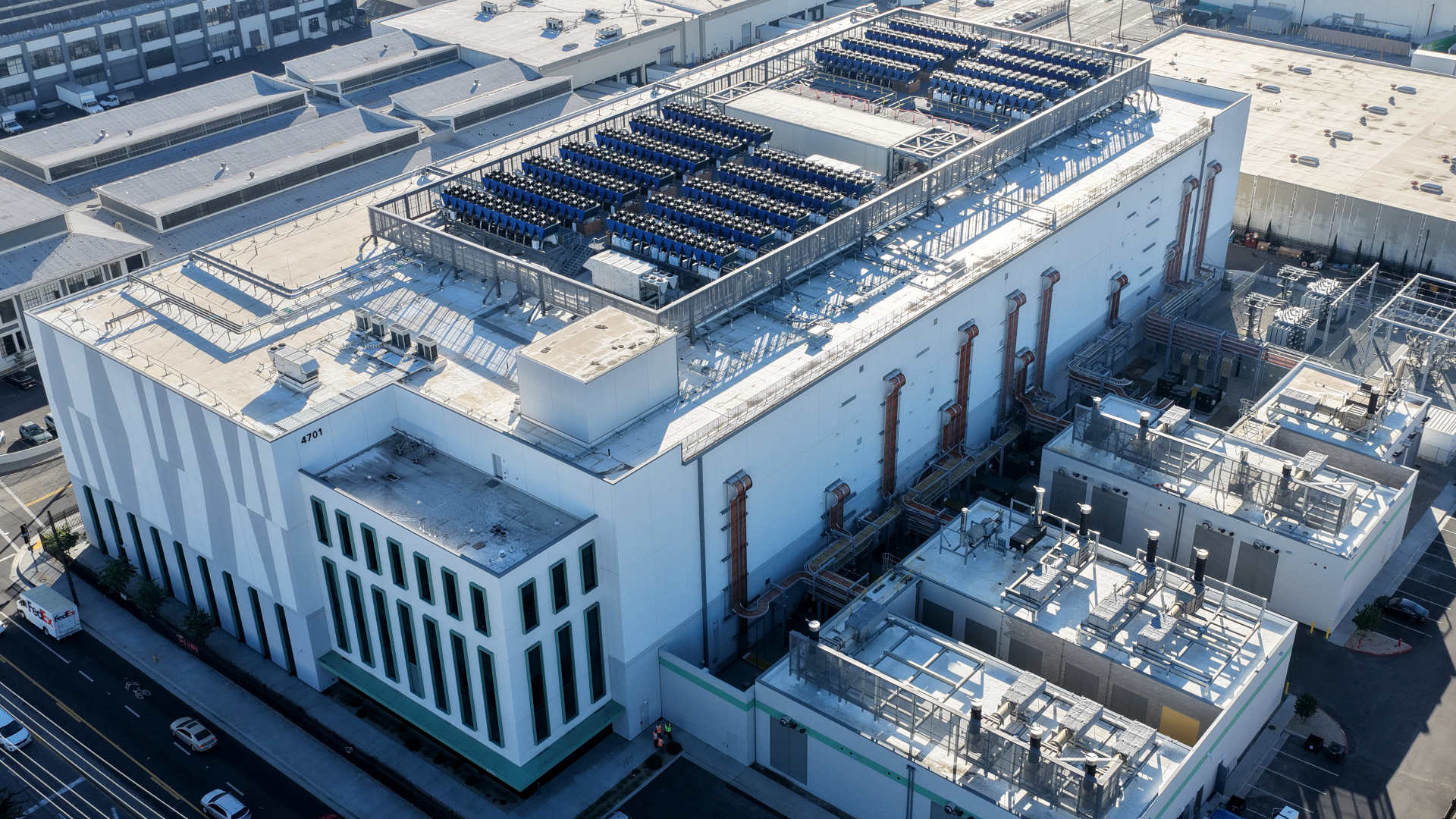
The article discusses the misconceptions and complexities surrounding water use by AI data centers, emphasizing that while their water consumption is often exaggerated or misunderstood, they can still impact local water resources, especially in drought-prone areas. It highlights the importance of accurate data, regional context, and the societal value placed on AI technology in evaluating environmental impacts.
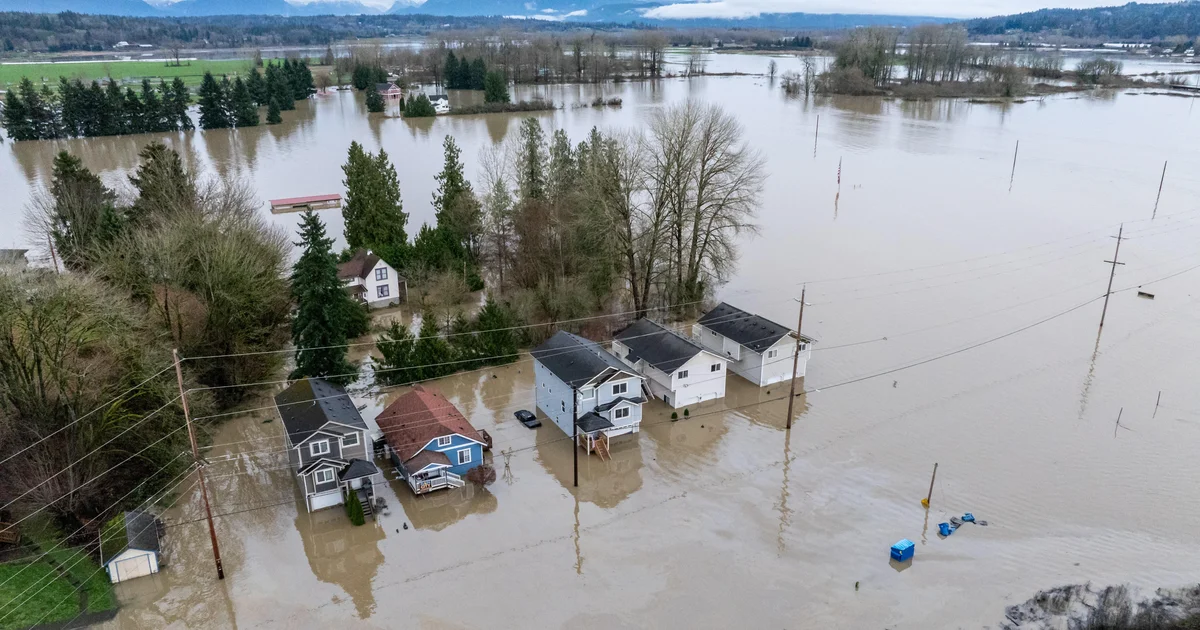
Washington state is experiencing severe flooding with evacuations and damage, while the Midwest faces dangerously cold temperatures due to an arctic blast, with the weather system expanding across the US, causing widespread disruptions and concerns about ongoing high water levels and additional rain.
Despite the catastrophic Toba supereruption 74,000 years ago, humans survived and even thrived, as archaeological evidence shows adaptive behaviors and technological innovations post-eruption, challenging earlier theories that it caused a severe population bottleneck.
A man in Alaska's Kwigillingok experienced a harrowing ordeal when Typhoon Halong's remnants caused severe flooding, lifting his home off its foundation and drifting it across water with him inside, before he was rescued after days of perilous drifting.
The article discusses the negative environmental and social impacts of popular food trends like Dubai chocolate, matcha, and quinoa, highlighting issues such as water overuse, climate change effects, and market-driven land degradation, and emphasizes the need for sustainable practices in food production.
The rapid expansion of datacenters in the US to support AI growth is raising environmental concerns, including increased energy consumption, water use, and reliance on fossil fuels, which could significantly impact the climate and lead to higher electricity bills for households. The trend also has political implications, with debates over energy sources and regulation.
Severe flooding in western Alaska caused by Typhoon Halong has led to homes being washed away, with rescue efforts underway and multiple agencies involved in disaster response, as communities face significant damage and isolation.
Recent research indicates that the North Atlantic subpolar gyre is destabilizing and may be nearing a tipping point, which could lead to severe climate consequences such as extreme weather in Europe. This destabilization, linked to global warming and historical ocean patterns, poses significant risks even if the broader Atlantic Meridional Overturning Circulation remains intact.