
Study Links 485 Pesticide Chemicals to Breast Cancer, Exposing Regulatory Gaps
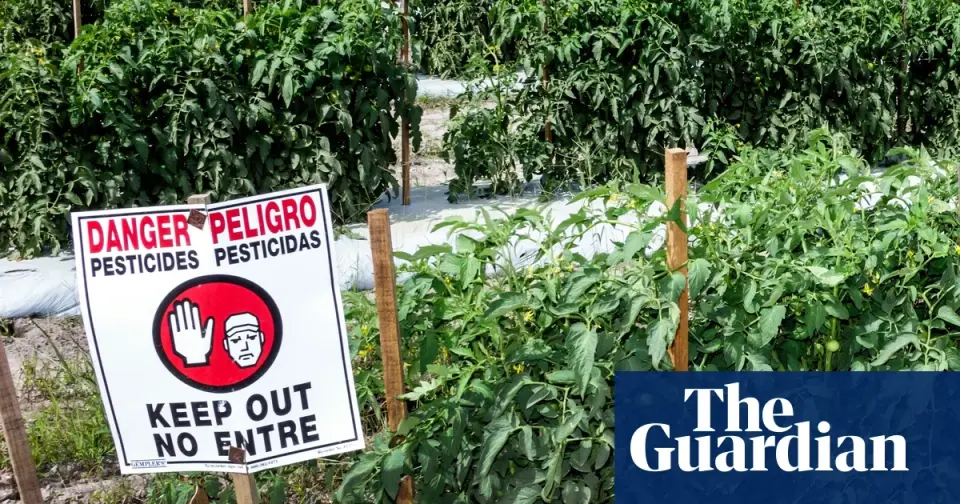
A new peer-reviewed study in Environmental Health Perspectives identifies 485 chemicals in US pesticide products linked to breast cancer. The research, led by the Silent Spring Institute, highlights that many of these substances are classified as 'inert' ingredients, which bypass rigorous safety reviews. While the EPA evaluates pesticides individually, the study argues that cumulative exposure to multiple chemicals, including those in consumer goods and drinking water, creates significant health risks. Breast cancer incidence is rising, particularly among women under 50, and the authors suggest that current regulatory frameworks fail to account for the combined effects of these widespread exposures.
Key points
- The study identifies 485 chemicals in US pesticide products associated with breast cancer, including both active and 'inert' ingredients.
- Only 145 of the identified chemicals are registered as active ingredients with the EPA, suggesting that 'inert' status is used to avoid scrutiny.
- Breast cancer incidence rates have increased by 1% annually, with a faster rise of 1.4% in women under 50, according to the American Cancer Society.
- The EPA evaluates pesticides individually and does not assess the cumulative risk of exposure to multiple chemicals or the entire formula.
- The Silent Spring Institute found approximately 500 breast cancer-linked chemicals in common consumer goods and 462 in drinking water.
- The authors recommend expanding California’s Proposition 65 to include 16 pesticides not currently listed, which could discourage their use.
Background
This finding aligns with broader concerns about environmental cancer risks. Recent archive coverage noted that alcohol-attributable cancer deaths in the US have more than doubled since 1990, with breast cancer being a prominent alcohol-related cancer among women. Additionally, local debates, such as those in Ladera Ranch, have highlighted community fears regarding pesticide exposure and cancer risks, although official links remain contested in those specific cases. The current study provides a broader, systemic view of chemical exposure across the US population.
How outlets are covering it
The Guardian and Inside Climate News both emphasize the regulatory failure to address 'inert' ingredients and cumulative exposure. The Guardian focuses on the specific count of 485 pesticide chemicals and the EPA's individualistic approach, while Inside Climate News highlights the 'ubiquity' of these chemicals in consumer products and the high production volumes of petrochemicals like bisphenol A. The American Chemistry Council, cited by Inside Climate News, argues that the study’s exposure estimates rely on predictive models with significant uncertainty. The Silent Spring Institute, through co-author Jenny Kay, stresses that 'inert' ingredients are biologically active and that the EPA’s dismissal of low-level risks due to 'non-monotonic dose response' is a critical blind spot. Inside Precision Medicine provides minimal additional detail, focusing primarily on the widespread presence of these chemicals in consumer goods.
Why it matters
This study underscores a potential gap in US environmental regulation, where 'inert' ingredients are not subjected to the same safety scrutiny as active ones. With breast cancer rates rising, particularly among younger women, understanding the cumulative impact of multiple chemical exposures is crucial for public health. The findings suggest that current regulatory frameworks may underestimate the risks posed by everyday products, from pesticides to drinking water, potentially leading to preventable health outcomes. Expanding regulatory lists, such as California’s Proposition 65, could serve as a model for reducing exposure to these hazardous substances.
What to watch
The Silent Spring Institute has called for an expansion of California’s Proposition 65 to include 16 pesticides not currently listed. The California Office of Environmental Health Hazard Assessment has indicated it will review the paper for priority chemicals. Researchers are also advocating for more chemicals to be monitored in the National Health and Nutrition Examination Survey (NHANES) to better understand population exposure. The EPA, which rejected a petition in 2023 to review inert ingredients more stringently, faces continued pressure from public health advocates to address these regulatory gaps.
- New research finds 485 chemicals in US pesticide products linked to breast cancer The Guardian
- Chemicals Linked to Breast Cancer Are ‘Ubiquitous,’ Study Shows Inside Climate News
- Popular head lice treatments and 4 other household products 'may raise risk of breast cancer' The Sun
- Hundreds of chemicals used in pesticide products may increase breast cancer risk medicalxpress.com
- Breast Cancer-Linked Chemicals Widespread in U.S. Consumer Products Inside Precision Medicine
Want the full story? Read the original reporting
Read on The Guardian