
Unintentional Parenting Habits That Fuel Childhood Anxiety
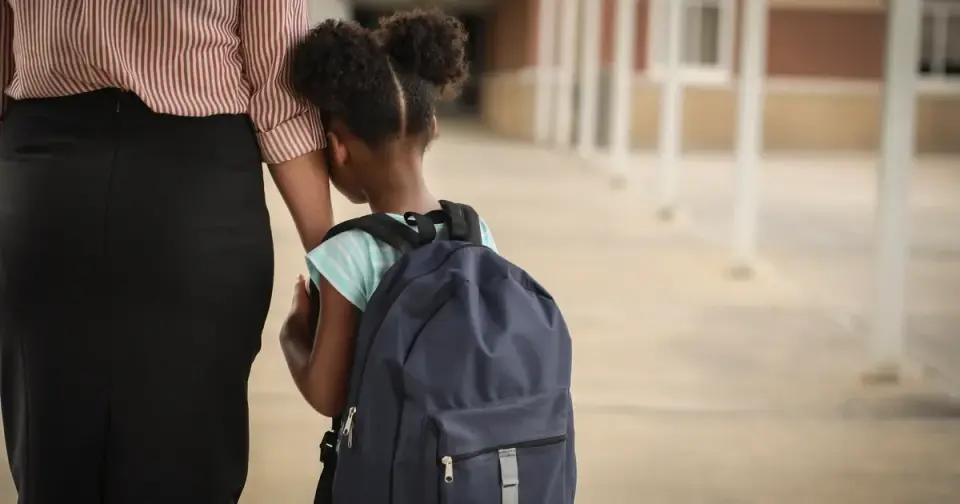
Experts identify eight common, often unintentional parenting behaviors that exacerbate children's anxiety, including encouraging avoidance, modeling poor stress management, and praising results over effort. While anxiety affects up to 20.5% of youth globally, these subtle interactions can deepen symptoms by undermining resilience and emotional security.
Key points
- Encouraging avoidance: Helping children dodge feared situations (like driving them to school instead of letting them take the bus) prevents the development of coping skills and increases long-term anxiety.
- Modeling anxiety: Children observe parents' body language and reactions; unmanaged parental stress can teach children to fear situations, whereas modeling healthy coping strategies provides a positive example.
- Avoiding emotional conversations: Parents should name and validate children's feelings rather than ignoring them, helping kids build an emotional vocabulary and feel supported rather than alone in their distress.
- Over-caution and fear messaging: Constant warnings about danger or using fear-based threats (e.g., about smoking) create hesitancy and anxiety; experts recommend explaining risks rationally and calmly instead.
- Praising results over effort: Focusing on outcomes rather than effort creates pressure to be perfect; praising effort and offering unconditional acceptance reduces anxiety and builds self-worth.
- Leading questions and authoritarian styles: Asking leading questions that imply anxiety or using rigid, punitive parenting styles fosters perfectionism and a fear of making mistakes.
Background
This briefing follows earlier coverage on how parental 'phubbing' (phone distraction) contributes to insecure attachment and anxiety in teens, highlighting the broader impact of parental behavior on child mental health.
Why it matters
Understanding these subtle triggers allows parents to adjust their behaviors, fostering resilience and emotional security in children. By shifting from avoidance and fear-based tactics to supportive, consistent, and effort-focused approaches, families can reduce anxiety and promote healthier development.
What to watch
Parents are encouraged to reflect on their own stress management, practice open emotional dialogue, and adjust their communication to avoid mixed messages or fear-based warnings. Experts recommend focusing on effort, validating feelings, and modeling healthy coping strategies to support children's mental well-being.
Want the full story? Read the original reporting
Read on HuffPost