
New Global Study Links Small Daily UPF Intake to Significant Health Risks
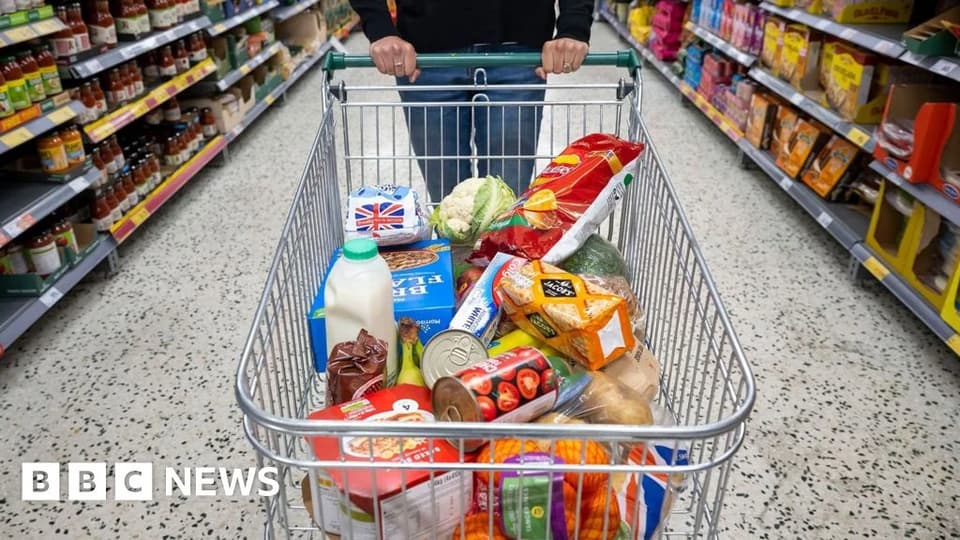
A large-scale study published in September 2026 found that consuming just 100 grams of ultra-processed foods (UPFs) daily is associated with a 14% higher risk of cardiovascular events and increased risks of cancer, diabetes, and premature death. While experts debate the definition and impact of processing, dietitians emphasize that overall dietary balance matters more than avoiding all processed items. The debate highlights a tension between public health warnings and industry claims of reformulation.
Key points
- A meta-analysis of nearly 8.8 million adults across four continents found that every additional 100 grams of UPFs consumed daily correlates with a 14% higher risk of cardiovascular events, a 4% higher risk of cancer, and a 3% higher risk of all-cause mortality.
- The study, published in Family Medicine and Community Health on September 22, 2026, also linked higher UPF intake to metabolic syndrome, depression, and anxiety, though it is observational and cannot prove direct causation.
- In the UK, more than half of consumed calories come from UPFs, yet experts like Maeve Hanan of the British Dietetic Association argue that 'growing hysteria' around these foods is driven by black-and-white messaging rather than nutritional reality.
- Food scientist Prof David Julian McClements argues that focusing on the processing level is a 'red herring' and that the industry should redesign processed foods to be healthier rather than eliminating them, citing convenience as a societal necessity.
- The Food and Drink Federation disputes claims that UPFs are inherently harmful, stating that manufacturers have cut salt, sugar, and calories from products by nearly 20% in the last five years in line with government regulations.
Background
Recent coverage has highlighted the complexity of processed food consumption. Earlier reports noted that healthy eating does not require avoiding all processed foods, as items like frozen vegetables can be nutritious. However, concerns about 'orthorexia'—an obsessive focus on pure eating—have risen, suggesting that extreme restriction can be harmful. The new study adds quantitative weight to the debate, moving beyond anecdotal advice to large-scale epidemiological data.
How outlets are covering it
BBC and The Independent present a nuanced view, featuring dietitians who warn against 'hysteria' and emphasize that individual foods do not define overall health, while also acknowledging the high prevalence of UPFs in the UK diet. Fox News and Fox 4 News focus heavily on the statistical risks from the new study, highlighting the specific percentage increases in disease risk associated with small daily servings. In contrast, industry representatives and food scientists cited by BBC argue that the definition of UPFs is poorly defined and that the industry is already reformulating products to reduce harmful nutrients, whereas critics like Dr. Chris van Tulleken argue that companies prioritize profitability over health, making UPFs 'moreish' and difficult to avoid.
Why it matters
The findings suggest that even modest daily consumption of ultra-processed foods may contribute to chronic disease burdens, prompting calls for better labeling and dietary shifts toward whole foods. This impacts public health policy, consumer behavior, and the regulatory landscape for food manufacturing, balancing the need for convenience with the imperative for nutritional safety.
What to watch
Expect continued debate over food labeling standards and the definition of ultra-processed foods. Public health campaigns may shift toward emphasizing the addition of whole foods rather than the removal of processed items, while industry groups will likely continue to highlight their reformulation efforts. Further research may be needed to determine if the health risks are due to the processing method itself or the nutritional profile of the foods.
- Can you eat ultra-processed foods and still be healthy? A dietitian analysed my weekly shop BBC
- Just one small serving of ultra-processed food a day linked to higher disease risk, major study finds Fox News
- One daily serving of ultra-processed food linked to higher disease risk FOX 4 News Dallas-Fort Worth
- Eating more ultra-processed foods linked to worse health, study finds ABC News - Breaking News, Latest News and Videos
- New report reveals serious risks linked to ultra-processed foods The Independent
Want the full story? Read the original reporting
Read on BBC