Kombucha’s gut-health benefits are inconsistent due to variable probiotic content and high sugar levels. Dietitians recommend kefir, prebiotic sodas, smoothies, tea, and prune juice as superior alternatives. These options offer more reliable fiber, protein, and polyphenols. Experts emphasize that no single drink replaces a high-fiber diet, adequate hydration, and sleep for optimal digestive health.
A registered dietitian advises consuming two 3.5-ounce servings of fatty fish per week to obtain essential omega-3 fatty acids, specifically EPA and DHA, which support heart, brain, and eye health. While fish is the most efficient source of these nutrients, providing additional benefits like high-quality protein and vitamin D, plant-based alternatives and supplements are viable for those who avoid seafood. Consumers should prioritize low-mercury options such as salmon, mackerel, anchovies, sardines, and herring, while limiting high-mercury varieties like shark and swordfish, particularly for pregnant individuals and children.
A systematic review of 27 rodent studies indicates that switching from high-fat or high-sugar diets to healthy chow improves memory scores, though animals still lag behind those who never ate junk food. The findings, published in Nutritional Neuroscience, highlight that while dietary changes can mitigate cognitive decline, they may not fully reverse damage, particularly when sugar is involved.
Registered dietitian Jessica Corwin identifies cottage cheese as the optimal single food for maintaining muscle mass and bone density in older adults. One cup provides 24 to 28 grams of complete protein and 227 milligrams of calcium, supporting both skeletal and muscular health. Corwin recommends consuming one cup daily to meet per-meal protein targets of 25 to 30 grams, noting that the food’s high nutrient density allows for efficient intake without excessive volume, which is beneficial for individuals who experience early satiety.
Registered dietitians identify orange, prune, beet, tomato, and tart cherry juices as potential aids for lowering LDL cholesterol. These beverages contain specific plant compounds, such as flavonoids, nitrates, and lycopene, that may support heart health. Experts emphasize that juice should complement a fiber-rich diet rather than replace whole fruits and vegetables, and consumers should select 100% juice options without added sugars to maximize benefits.
EatingWell has released a new five-day Mediterranean diet meal plan designed for beginners, created by registered dietitian Chelsea LeBlanc. The plan is structured around 1,800 calories per day, with modifications available for 1,500 and 2,000 calories. Each day guarantees at least 80 grams of protein and 34 grams of fiber, emphasizing plant-forward foods, healthy fats, and minimal-cooking recipes. The plan includes specific meal-prep strategies, such as batch-cooking chickpea grain bowls and making chia puddings in advance, to simplify adherence. LeBlanc notes that the plan is flexible, allowing users to swap meals while maintaining nutritional targets. The publication highlights that the Mediterranean diet is well-studied for reducing risks of heart disease, type 2 diabetes, and cognitive decline, though it stresses that individual nutritional needs vary. The plan avoids 1,200-calorie options, citing research that such low intake can lead to muscle loss and is unsustainable for long-term health.
Combining turmeric and pineapple may offer cumulative anti-inflammatory benefits, but clinical evidence for the specific pairing is limited. Turmeric provides curcumin, which has low bioavailability, while pineapple offers bromelain, an enzyme that may aid absorption and reduce pain. Experts advise cooking turmeric with healthy fats to improve absorption and consuming pineapple fresh or frozen to preserve bromelain. While some small studies show reduced muscle soreness and lower inflammatory markers in animal models, no large-scale human trials confirm the synergy of these two foods. Dietitians emphasize that while the combination is safe and tasty, it is not a proven medical treatment for chronic inflammation.
Peanuts are slightly better than popcorn for managing blood sugar because they contain more protein and fat relative to carbohydrates. However, both snacks are effective when consumed in moderation, as they provide fiber and antioxidants that help stabilize glucose levels and promote satiety.
Oatmeal is slightly superior to buckwheat for managing blood sugar due to its higher beta-glucan content, which slows carbohydrate absorption. Both are healthy whole-grain options, but adding protein to either improves satiety and glucose stability. Buckwheat remains a viable gluten-free alternative, while overnight oats may offer additional benefits through resistant starch.
Mushrooms provide significant health benefits, including vitamin D, beta-glucan fiber, and the antioxidant ergothioneine, yet Americans consume far less than their counterparts in Asia. Experts recommend incorporating various mushroom types into diets to support immune function and potentially lower cancer risk, though whole foods are preferred over supplements due to regulatory gaps.
A new guide from The Guardian details how individuals can transition to plant-based eating without sacrificing health or enjoying familiar foods. Experts emphasize that plant-based diets are not identical to veganism, which is a broader ethical philosophy. Key benefits include reduced risks of heart disease and diabetes, lower environmental impact, and improved animal welfare. To address common concerns about protein and nutrients, specialists recommend starting with small swaps, such as using legumes instead of meat, and focusing on fortified foods for B12, iodine, and vitamin D. The approach prioritizes gradual changes over abrupt lifestyle overhauls to ensure long-term adherence.
Registered dietitians advise consuming a hard-boiled egg and a handful of almonds before bed to support brain function. This combination stabilizes blood sugar, provides choline for memory consolidation, and delivers magnesium and vitamin E to promote relaxation and protect against oxidative stress.
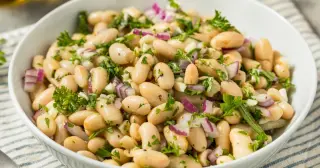
Registered dietitians confirm that eating beans daily is healthy and beneficial for heart, brain, and gut health. However, experts warn that sudden, high-intake consumption can cause significant gastrointestinal distress. To maximize benefits like improved cholesterol and blood sugar levels while minimizing gas and bloating, individuals should introduce beans slowly, ensure proper preparation, and maintain adequate hydration.
Nutrition experts identify raspberries and avocados as optimal fruits for managing high blood sugar due to their high fiber and low carbohydrate profiles. Consuming these fruits alongside protein or healthy fats can slow glucose absorption. While fruit is not a cure, strategic selection and pairing can support metabolic health.
EatingWell reports that raspberries are among the most beneficial fruits for weight loss due to their high fiber content, low calorie count, and antioxidant properties. A single cup provides 8 grams of fiber, contributing significantly to daily intake and promoting satiety. The article emphasizes that while no single food guarantees weight loss, raspberries support metabolic health by stabilizing blood sugar and reducing inflammation. Experts advise incorporating them into meals or snacks as a natural alternative to sugary treats, noting that sustainable weight management requires a holistic approach including sleep and stress reduction.