
Pediatricians Renew Call for Nationwide Raw Milk Ban Amid Rising Outbreaks
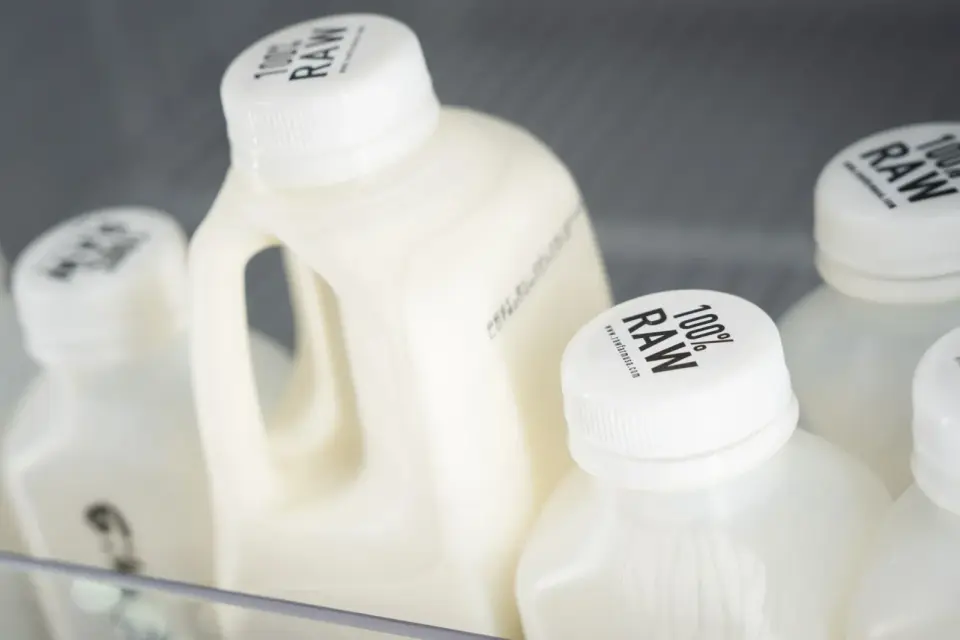
The American Academy of Pediatrics (AAP) has updated its policy statement to call for a nationwide ban on the sale of unpasteurized dairy, citing rising outbreaks and severe risks to children. While over 10 million Americans consume raw milk, experts warn it carries over 100 times the risk of foodborne illness with no proven nutritional benefits. Recent outbreaks, including a recent E. coli incident involving cheese, have sickened dozens, including many children. The AAP urges families to choose pasteurized products, noting that pasteurization preserves nutritional value while eliminating pathogens like Salmonella and E. coli. This move follows a period of increased state-level access to raw milk and growing political support for the industry, despite evidence of serious health consequences.
Key points
- The American Academy of Pediatrics (AAP) published a revised policy statement urging a nationwide ban on the sale and distribution of unpasteurized milk and dairy products.
- The AAP cites evidence that raw milk poses over 100 times the risk of foodborne illness compared to pasteurized milk, with no proven nutritional or therapeutic benefits.
- Recent data shows nine states experienced raw dairy-linked outbreaks in the past two years, including a recent E. coli outbreak linked to unpasteurized cheese that sickened 13 people, more than half of whom were children.
- The statement highlights emerging concerns regarding H5N1 avian influenza, which was found in nearly one-quarter of raw milk samples during the 2024 dairy cattle outbreak.
- The AAP advises pediatricians to screen families for raw dairy consumption and recommends that consumers check labels for 'pasteurized' to ensure safety.
Background
This policy update follows earlier AAP guidance from 2014 and coincides with recent investigative reporting by ProPublica detailing severe cases of illness in children from raw milk consumption. In late 2026, California regulators closed an investigation into an unlicensed goat dairy without penalties after two children developed life-threatening kidney disease, highlighting regulatory gaps. The current push for a ban occurs against a backdrop of increasing state-level access to raw milk, with at least 27 states allowing some form of sale, and growing political advocacy for the industry at the federal level.
How outlets are covering it
ProPublica emphasizes the growing popularity of raw milk among 10 million Americans and the severe consequences for children, noting that the AAP’s new statement was influenced by their recent reporting on outbreaks and regulatory failures. Ars Technica frames the AAP’s stance as a defense of public health advances against 'anti-science rhetoric,' linking the raw milk issue to broader challenges in vaccine policy under current administration leadership. CIDRAP provides detailed epidemiological data, noting that from 2013 to 2018, 75 outbreaks linked to unpasteurized milk resulted in 675 illnesses and two deaths, with Campylobacter being the most common pathogen. U.S. News & World Report focuses on the practical advice for consumers, highlighting the FDA’s recommendation to check labels and the specific risks to pregnant women and infants, while noting that no human cases of H5N1 from raw milk have been confirmed yet, though the risk remains a concern.
Why it matters
The renewed call for a ban underscores the ongoing tension between public health evidence and consumer choice in the face of misinformation. As raw milk becomes more accessible and popular, the potential for preventable, life-threatening illnesses in vulnerable populations, particularly children, increases. The AAP’s stance aims to counter the spread of false claims about raw milk’s benefits and to protect public health through regulatory action, highlighting the critical role of pasteurization in food safety.
What to watch
The AAP will publish the updated policy statement in the November issue of Pediatrics. Pediatricians are encouraged to ask families about raw dairy consumption during routine visits and steer them toward pasteurized products. The AAP continues to advocate for state-level bans on raw dairy sales. Consumers are advised to check labels for 'pasteurized' and consult healthcare providers if they suspect exposure to raw dairy, especially if pregnant or immunocompromised. Federal and state regulators may face increased pressure to enforce existing laws and consider new restrictions in response to the AAP’s guidance and rising outbreak numbers.
- American Academy of Pediatrics Renews Call for Ban on Raw Milk ProPublica
- Pediatricians renew call to ban raw milk as anti-science rhetoric reigns Ars Technica
- Raw milk poses serious infection risks with no added health benefits, pediatrician group warns CIDRAP
- Pediatricians Warn Raw Milk Poses Serious Risks To Children, Pregnant People U.S. News & World Report
- Raw Milk, Flat Head Syndrome, Teddy Bear Devices: AAP News Medscape
Want the full story? Read the original reporting
Read on ProPublica