
health-and-policy6 min read
Federal Crackdown on Kratom Derivatives Faces Backlash as Deaths Mount
11 days ago•Source: CBS News
View original source
The latest health and policy stories, each synthesized from multiple sources with added background and context.
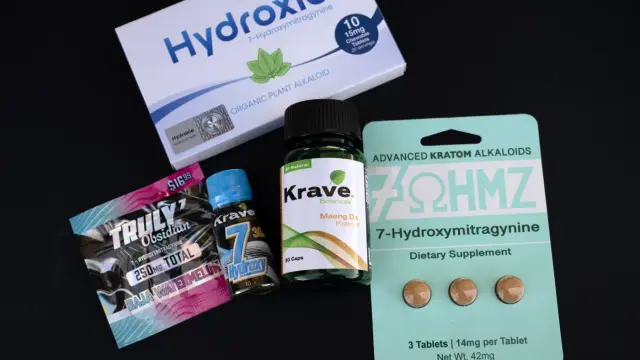
The U.S. federal government is poised to restrict concentrated 7-hydroxymitragynine (7-OH) products as early as November 13, 2026, following a recent DEA scheduling of related semi-synthetic compounds. While traditional botanical kratom remains legal, the new measures target potent derivatives sold in gas stations and smoke shops. This federal move coincides with state-level actions, including a proposed New Hampshire bill to classify kratom as a Schedule 1 drug and a Virginia task force enforcing age restrictions and labeling laws. Public health data shows a 1,200% rise in kratom-related poison calls since 2015, though advocates argue the substances help manage opioid addiction and chronic pain.

The Florida Department of Health is considering removing school entry requirements for four vaccines: Haemophilus influenzae type b (Hib), chickenpox, pneumococcal, and hepatitis B. While these diseases are currently rare due to high vaccination rates, experts warn that dropping mandates could lower coverage and increase risks for vulnerable children. This move occurs as Florida faces a significant measles outbreak and falling MMR vaccination rates.

The FDA has released a proposed rule to update nutrient requirements for infant formula, marking the first comprehensive review since 1998. This initial phase adjusts levels for iodine, manganese, vitamin A, and vitamin D while reaffirming standards for four other nutrients. The agency seeks public input on adding new nutrients like DHA and ARA. Kennedy Jr. framed the move as a safety priority, though experts note the phased approach means changes will not reach shelves for years.

HHS Secretary Robert F. Kennedy Jr. has issued a draft policy allowing licensed compounding pharmacies to produce six unapproved peptides, including BPC-157 and TB-500, without facing federal enforcement. The move bypasses standard FDA approval processes, which require rigorous safety and efficacy testing, and instead relies on a July advisory panel recommendation. While the policy mandates quality testing and traceable ingredients to replace unregulated gray-market imports, it has drawn sharp criticism from FDA scientists who warn that there is insufficient evidence to support the safety or effectiveness of these substances. The draft policy is open for public comment until November 13, 2026.

The FDA has released a proposed rule to update nutrient requirements for infant formula, marking the first comprehensive review since 1998. This first phase adjusts levels for iodine, manganese, vitamin A, and vitamin D, while reaffirming standards for four other nutrients. The agency seeks public input on adding new nutrients like DHA and ARA. Kennedy Jr. framed the move as a safety priority, though experts note the phased approach means changes will not reach shelves for years.

Oscar-nominated actress Barbara Barrie died at 95 via medical aid in dying, a practice she had long advocated for. Her passing, following a terminal cancer diagnosis, occurred under New York’s new law, which took effect in August 2026. The event has intensified national debates over the ethics and legality of assisted dying, with supporters citing dignity and opponents raising religious and conscience-based objections.

A coalition of 22 international nutrition scientists has published the first global food pyramid, emphasizing plant-based proteins, whole grains, and unsaturated fats. This guidance directly contrasts with the U.S. Department of Agriculture’s recent inverted pyramid, which prioritizes red meat, dairy, and animal fats under Health Secretary Robert F. Kennedy Jr. The new model, based on 250 studies, aims to reduce heart disease risk and environmental impact, though experts note affordability barriers.

The US Department of Health and Human Services has issued a temporary 'enforcement discretion' notice, allowing small compounding pharmacies to produce six unapproved peptides without facing legal action. This move, championed by Health Secretary Robert F. Kennedy Jr., aims to shift consumers away from illicit gray-market imports toward regulated, albeit untested, products. While proponents argue this improves safety through pharmacy oversight, critics warn that bypassing standard FDA approval exposes the public to substances lacking clinical data for safety and efficacy.

The Department of Health and Human Services (HHS) issued an 'enforcement discretion' policy allowing small compounding pharmacies to produce six unapproved peptides, bypassing standard FDA safety reviews. While HHS argues this shifts consumers away from dangerous gray-market imports, FDA scientists and public health advocates warn the move exposes the public to untested substances and undermines regulatory standards.

HHS Secretary Robert F. Kennedy Jr. has issued a temporary 'enforcement discretion' policy allowing small compounding pharmacies to produce and sell six unapproved peptides, bypassing standard FDA safety and efficacy reviews. The move, which covers compounds like BPC-157 and Epitalon, aims to shift consumers away from illicit gray-market imports but has drawn sharp criticism from scientists and public health advocates who warn it undermines regulatory standards and exposes patients to untested substances.

The Trump administration’s Department of Health and Human Services (HHS) issued a policy allowing compounding pharmacies to sell six unapproved peptides, including BPC-157 and TB-500, despite strong opposition from Food and Drug Administration (FDA) scientists. The move, championed by Health Secretary Robert F. Kennedy Jr., bypasses standard safety reviews and relies on enforcement discretion rather than formal approval. While HHS argues this reduces reliance on unsafe gray-market imports, FDA staff warned the substances lack clinical data for safety and efficacy. The policy includes limited safeguards, such as requiring ingredient sourcing from FDA-registered facilities, but critics argue it undermines the agency’s core mission of protecting public health.