
California’s N95 Mask Recommendation for Thanksgiving Draws Sharp Public Backlash
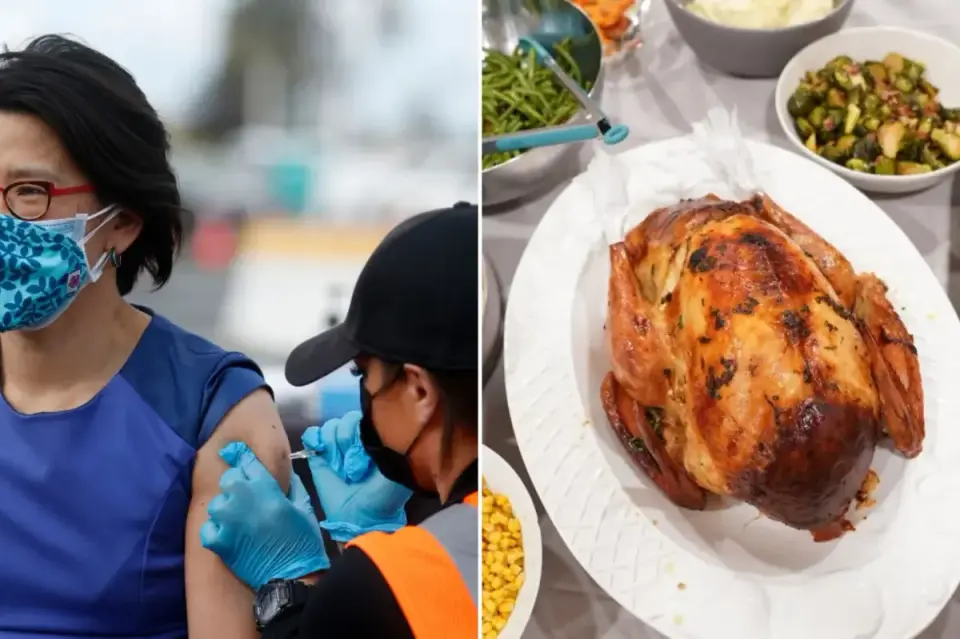
The California Department of Public Health advised residents to consider wearing N95 respirators in crowded indoor spaces during the Thanksgiving holiday to protect against respiratory viruses. This recommendation, which lacks a statewide mandate, triggered significant public anger and accusations of authoritarian overreach on social media. Critics argued that the advice revives unpopular pandemic-era control tactics and questioned the efficacy of N95s against viral transmission. While the state emphasized voluntary protection for high-risk individuals, the CDC maintains a less aggressive stance, recommending masks only for those who are sick or visiting vulnerable populations.
Key points
- California health officials urged the public to consider wearing N95 masks in crowded indoor areas to mitigate risks from flu, COVID-19, and RSV.
- The recommendation is voluntary and does not constitute a statewide mandate, though some counties like Santa Clara have specific requirements for healthcare facilities.
- Social media users reacted with hostility, using terms like 'authoritarian' and accusing officials of attempting to reimpose pandemic-era restrictions.
- Critics disputed the scientific basis of the advice, claiming N95s do not effectively stop viruses due to particle size, despite lab tests showing high filtration rates.
- The CDC advises a more targeted approach, suggesting masks for those who are ill, recently exposed, or visiting high-risk individuals, rather than routine use for healthy people.
Background
This controversy emerges as California navigates post-pandemic public health messaging. Recent tensions between Governor Gavin Newsom and the federal government over mass commutations have heightened scrutiny of state-level decisions. Additionally, the state is currently dealing with record-breaking king tides and storm surge risks along the coast during the same holiday period, adding to public anxiety regarding emergency measures. The backlash mirrors broader national fatigue with government health mandates, contrasting with the voluntary, targeted guidance offered by the CDC and other blue states like New York and Massachusetts.
Why it matters
The reaction to this recommendation highlights deepening public resistance to health directives perceived as coercive, even when voluntary. It underscores the challenge health officials face in balancing scientific advice with public sentiment, particularly as respiratory virus seasons peak. The dispute also reveals a gap between controlled laboratory efficacy data and real-world community trial results regarding mask effectiveness, influencing how future public health campaigns are framed to avoid triggering backlash.
What to watch
Health officials may face continued public scrutiny as they navigate seasonal respiratory virus precautions. The state may need to clarify the distinction between voluntary recommendations and mandates to mitigate further backlash. Meanwhile, the CDC’s targeted approach may serve as a model for other jurisdictions seeking to avoid the polarizing response seen in California. Public compliance with mask recommendations will likely remain low among those opposed to pandemic-era policies, regardless of the voluntary nature of the advice.
Want the full story? Read the original reporting
Read on New York Post