
Ancient Neanderthal Gene Variant Linked to Smaller Brain Lobes and Lower Schizophrenia Risk
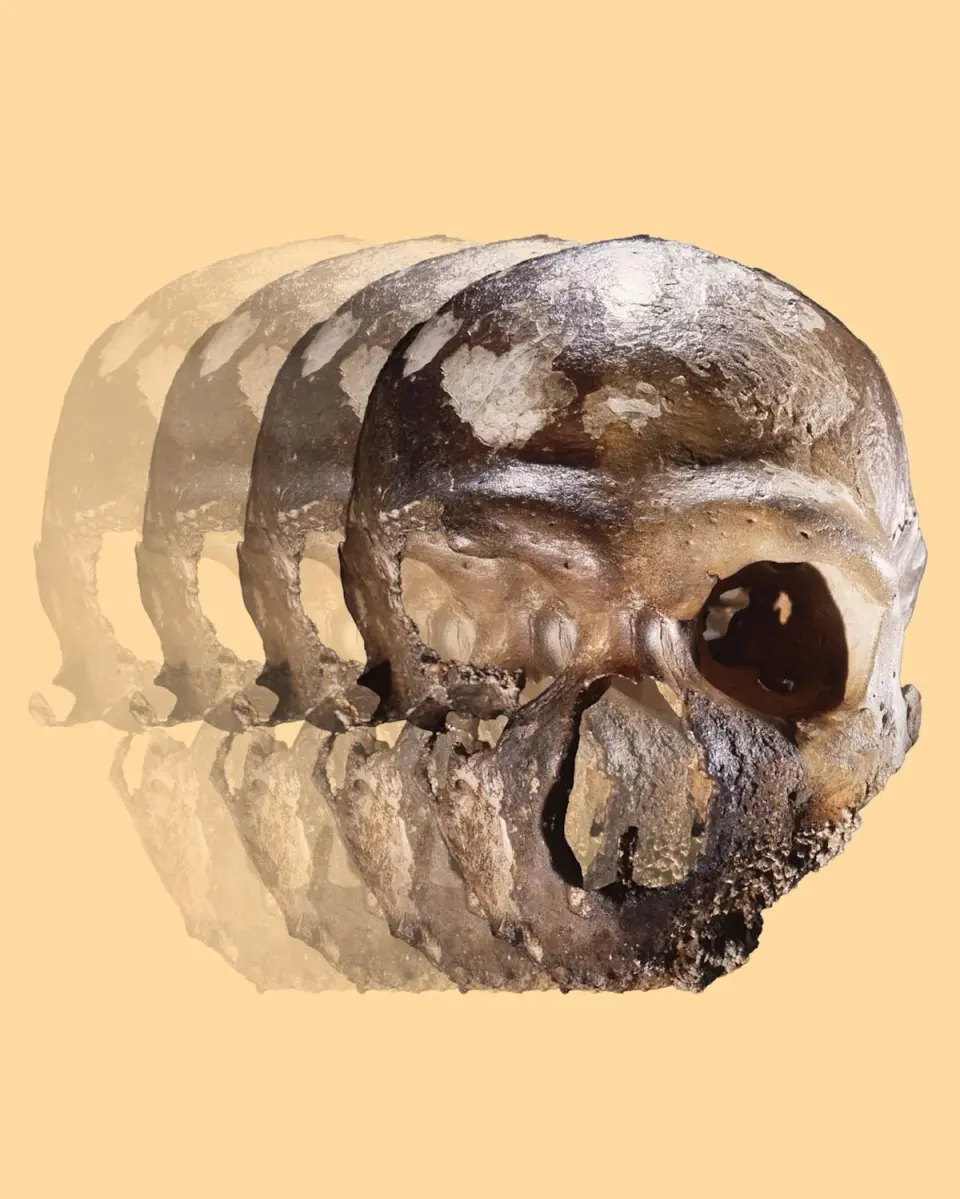
A new study reveals that a specific genetic variant inherited from Neanderthals approximately 47,000 years ago is associated with slightly smaller occipital lobes in modern humans. This variant, located near the DAAM1 gene, correlates with a reduced risk of schizophrenia, offering a potential evolutionary advantage despite the paradox that Neanderthals themselves had larger occipital lobes.
Key points
- Researchers Svante Pääbo and Hugo Zeberg identified a Neanderthal-inherited genetic variant near the DAAM1 gene that influences modern human brain anatomy.
- Carriers of this variant have occipital lobes that are approximately 0.85 cubic centimeters smaller per copy, a difference comparable to the volume of a blueberry.
- Individuals with two copies of the variant experience a nearly 10 percent reduction in the risk of developing schizophrenia, while those with one copy see a 5 percent reduction.
- The study found no adverse effects on general intelligence or cognitive ability associated with the smaller occipital lobe size.
- The variant is present in 5 to 15 percent of European populations, though most Europeans do not carry it.
Background
This finding builds on previous coverage from late November 2026, which highlighted the same study published in the Proceedings of the National Academy of Sciences. Earlier reports emphasized the four-nucleotide deletion on chromosome 14 and its entry into the human genome through interbreeding events. The current briefing adds detail regarding the specific researchers involved, the statistical significance of the brain volume difference, and additional findings regarding personality traits.
Why it matters
This research demonstrates that ancient genetic contributions from Neanderthals continue to shape modern human biology, including brain structure and psychiatric health outcomes. It challenges the assumption that larger brain regions always correlate with better cognitive performance, as the variant linked to smaller occipital lobes does not impair intelligence. Furthermore, it highlights the complex interplay between genetic ancestry and disease risk, suggesting that some ancient genetic variants may offer protective benefits against modern disorders like schizophrenia.
What to watch
Researchers plan to continue analyzing the DAAM1 gene variant's impact on other traits. Recent preliminary data suggests that carriers of this variant may score higher on extraversion in personality assessments. Scientists are also investigating the biological mechanisms behind the association between the gene and brain structure, though they caution against extrapolating these findings to the behavior or cognition of Neanderthals themselves.
Want the full story? Read the original reporting
Read on Yahoo