
Kratom and 7-OH: The Gas Station Opioid Crisis
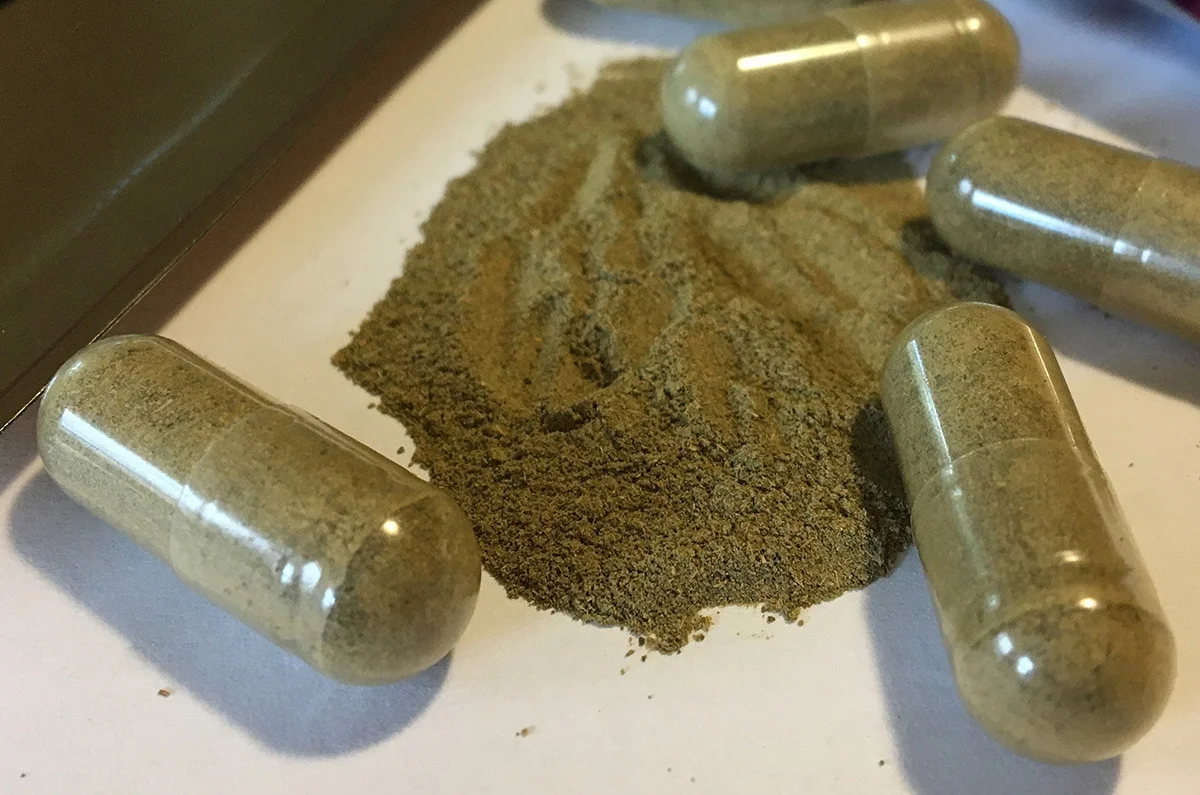
Kratom and its concentrated derivative 7-OH are sparking a public health crisis across the U.S. Sold widely in gas stations and smoke shops without age restrictions, these substances are linked to overdoses, dependency, and neonatal withdrawal. While federal agencies flag them as dangerous, legislative responses vary by state, with some jurisdictions banning sales and others still debating regulations.
Key points
- The DEA classifies kratom as a 'drug and chemical of concern,' while the FDA labels 7-OH products as novel potent opioids with unproven safety.
- 7-OH, or 7-hydroxymitragynine, is a concentrated alkaloid from the kratom plant that acts on brain receptors similarly to opioids, with a potency 13 times that of morphine according to Dr. Angad Madan.
- Products are sold as tablets, gummies, and flavored mixes for approximately $4 per serving, often disguised as energy or focus supplements.
- In Michigan, a bill to ban 7-OH passed the House in March but has not become law, leaving no age limits or concentration caps.
- In New York, Albany County declared kratom a danger to life and health via emergency order, and Governor Hochul is urged to sign a ban on 7-OH that passed both legislative chambers.
Background
This story follows a broader trend of unregulated substances being sold in convenience stores. In August 2026, Los Angeles targeted phenibut, another gas-station drug, with proposed regulations restricting sales to those under 21 and banning sales near schools. The current kratom/7-OH crisis mirrors these concerns, highlighting the risks of unregulated CNS depressants and opioids in retail environments.
How outlets are covering it
Daily Memphian highlights the local impact in the Mid-South, noting recent arrests and deaths. Oceana County Press emphasizes the lack of age restrictions in Michigan and the deceptive packaging of 7-OH. WNYT focuses on the medical consequences, including pregnant patients using kratom and newborns experiencing withdrawal, while The Independent frames the issue as a national public health concern. Outlets differ in their emphasis: some focus on legislative gaps (Michigan), others on medical emergencies (New York), and others on local enforcement (Memphis).
Why it matters
The widespread availability of potent, unregulated opioid-like substances in everyday retail settings poses a significant risk to public health, particularly for vulnerable populations such as pregnant women and children. The lack of consistent federal regulation allows states to grapple with the issue independently, leading to a patchwork of laws that may fail to protect consumers effectively.
What to watch
Legislative action is expected in states like New York and Michigan, where bans on 7-OH are pending. Public health officials will likely continue to monitor for overdoses and neonatal withdrawal cases. Retailers may face increased scrutiny or local ordinances restricting the sale of these products.
- Kratom explained: The gas station plant raising red flags across the Mid-South Daily Memphian
- Montgomery County board backs kratom ban resolution KMAland.com
- Sheriff’s office warns of opioid-like drug being sold in stores OceanaCountyPress.com
- Doctor details new troubling kratom trend WNYT.com
- What is Kratom? The ‘gas station drug’ that has officials worried The Independent
Want the full story? Read the original reporting
Read on Daily Memphian