
Durham mental health center's unpermitted water feature linked to teen's fatal amoeba infection
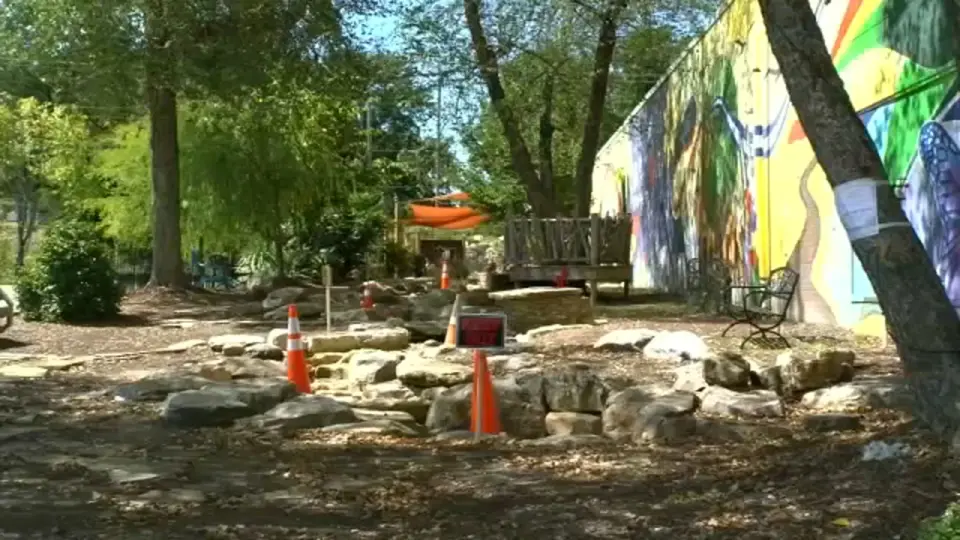
North Carolina health officials have identified a man-made water feature at the El Futuro mental health center in Durham as the likely source of the Naegleria fowleri infection that killed 17-year-old Moises Ponce Mendoza. The teen, who splashed water on his face at the site on August 13, was hospitalized on August 22 and died on August 31. State investigators found that the feature, which uses a recirculating pump system, was not effectively disinfected and lacked required permits. The site was closed on August 28 after CDC samples from the storage tank and surrounding area tested positive for the amoeba.
Key points
- NCDHHS confirmed the El Futuro water feature as the likely exposure site, as it was the only of 11 tested sources to contain Naegleria fowleri.
- The teen died within nine days of exposure, consistent with the rapid progression of primary amebic meningoencephalitis (PAM).
- The water feature was closed on August 28 after officials found it lacked required permits and was not adequately disinfected.
- CDC samples from the feature's storage tank, rocks, and a nearby fire hydrant all tested positive for the amoeba.
- El Futuro stated the feature was maintained with chlorine and power washing, but officials found the disinfection was ineffective.
Background
This incident follows earlier reports from our archive on September 16, 2026, which first detailed the closure of the El Futuro water feature and the state's investigation into the teen's death. The current briefing confirms the findings of that investigation, specifically the lack of permits and the positive CDC test results, which were previously reported as ongoing concerns.
How outlets are covering it
ABC7 and ABC News emphasize the public health risk and the specific mechanism of infection, noting that the teen splashed water on his face, which allowed the amoeba to enter his nasal passages. WRAL provides technical context, clarifying that the water feature is a 'green space initiative' similar to a splash pad, not a traditional fountain, and explains that Naegleria fowleri thrives in warm water (up to 115°F) and does not require stagnant water to be present. All sources agree that the feature was closed on August 28, but WRAL highlights that the state lacks a routine monitoring system for the amoeba in freshwater sites, suggesting a broader regulatory gap.
Why it matters
This case highlights the potential dangers of unpermitted or improperly maintained public water features, particularly in warm climates. It underscores the need for stricter enforcement of water safety standards and permits for community spaces that encourage water play, as Naegleria fowleri infections are rare but almost always fatal once symptoms appear.
What to watch
The El Futuro water feature remains closed, and officials have not announced a timeline for its reopening. State and local health departments are expected to continue monitoring the site and potentially reviewing permit requirements for similar community water features across North Carolina to prevent future exposures.
- Brain-eating amoeba that killed 17-year-old linked to a man-made creek, health officials say ABC7 Los Angeles
- NCDHHS narrows down likely source of brain-eating amoeba that killed NC teen FOX8 WGHP
- Teen who died from brain-eating amoeba likely infected from community center water feature: Officials ABC News - Breaking News, Latest News and Videos
- Health officials identify 'likely source' of rare brain infection that killed NC teen WLOS
- Brain-eating amoeba: Symptoms, prevention and answers about Naegleria fowleri WRAL
Want the full story? Read the original reporting
Read on ABC7 Los Angeles