Beau Sejour Leisure Centre in Guernsey reopened on Monday, September 21, after closing on September 15 due to Legionella bacteria detected in routine water testing. The closure lasted nearly a week, with special filters installed to prevent recurrence. No cases of Legionnaires' disease were reported, but users were advised to seek medical attention if symptoms appeared.
Two confirmed cases of Legionnaires' disease have been linked to the Hilton Garden Inn in Evanston, Illinois. The hotel's pool and hot tub were closed in September after the Illinois Department of Public Health confirmed the presence of Legionella bacteria in the hot tub's water system. The facility will remain closed until October 10 for remediation.
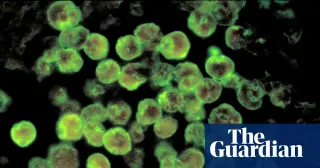
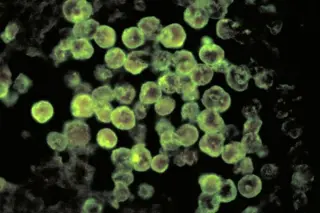
North Carolina health officials have identified a water feature at the El Futuro community center in Durham County as the most likely source of the Naegleria fowleri infection that killed 17-year-old Moises Ponce Mendoza. The teen died on August 31, 2026, after contracting the rare brain-eating amoeba. Although investigators could not conclusively prove the exact point of exposure, environmental testing and interviews pointed to the facility’s interactive water feature, which was closed on August 28. The feature, described as a man-made creek with fountains and pumps, tested positive for non-viable amoeba DNA and showed signs of inadequate disinfection and algal growth. The CDC and state health departments emphasize that while Naegleria fowleri is extremely rare, it is almost always fatal, with over 97% of infected individuals dying within days of symptom onset.
North Carolina health officials have identified a man-made water feature at the El Futuro mental health center in Durham as the likely source of the Naegleria fowleri infection that killed 17-year-old Moises Ponce Mendoza. The teen, who splashed water on his face at the site on August 13, was hospitalized on August 22 and died on August 31. State investigators found that the feature, which uses a recirculating pump system, was not effectively disinfected and lacked required permits. The site was closed on August 28 after CDC samples from the storage tank and surrounding area tested positive for the amoeba.
Geordan White, 60, died after jumping into Shasta Lake to save his dog, which had fallen from a moving boat. The dog was rescued, but White drowned despite receiving a flotation device. Authorities urge boaters to wear life jackets.
Recent deaths in North Carolina from rare amoeba and bacteria infections have prompted health officials to warn that rising temperatures are extending the season for waterborne risks. While Naegleria fowleri and Vibrio vulnificus remain extremely rare, warmer water conditions are increasing their prevalence. Experts advise caution, noting that most recreational sites still meet safety standards, but risks persist later in the year.
Moises Ponce Mendoza, a 17-year-old from Burlington, North Carolina, died on August 31 after contracting Naegleria fowleri, a rare brain-eating amoeba. His family is seeking answers about the exposure source, which remains unidentified. Health experts warn that the infection is nearly always fatal and advise preventing nasal exposure to warm freshwater.
A teenager in central North Carolina died on August 31, 2026, after contracting primary amebic meningoencephalitis (PAM), a rare and often fatal brain infection caused by the Naegleria fowleri amoeba. The North Carolina Department of Health and Human Services (NCDHHS) first reported the critical illness on August 27, noting that the infection is extremely rare, with fewer than 10 cases reported in the U.S. annually. The amoeba is found in warm freshwater sources such as lakes, ponds, and rivers, but not in saltwater or properly chlorinated pools. Health officials are investigating the specific source of the infection alongside the CDC and local health departments. NCDHHS emphasized that while the amoeba cannot be eliminated from the environment, individuals can reduce risk by avoiding nose-dipping in warm freshwater and using nose clips during water activities. The family’s privacy was protected, and no further personal details were released.
A North Carolina teenager has died after contracting Naegleria fowleri, a rare and usually fatal brain-eating amoeba found in warm freshwater. State health officials confirmed the death on September 1, 2026, noting that the disease progresses rapidly, often causing death within five days of symptom onset. While the specific source of infection remains under investigation by the North Carolina Department of Health and Human Services (NCDHHS) and the CDC, experts emphasize that the amoeba is not found in chlorinated pools or saltwater. Preventive measures, such as using nose clips and avoiding head submersion in warm freshwater, are recommended to reduce the risk of this extremely rare infection.
A central North Carolina teenager, identified as Moises Ponce Mendoza, died on August 31, 2026, after contracting primary amebic meningoencephalitis (PAM). The disease, caused by the Naegleria fowleri amoeba, is extremely rare but nearly always fatal, with symptoms progressing from headache to coma within days. Health officials are investigating the source of the infection, while a family GoFundMe raised over $9,000 for medical costs.
A North Carolina teenager, identified as Moises Ponce Mendoza, died on August 31, 2026, after contracting Naegleria fowleri, a rare brain-eating amoeba. The North Carolina Department of Health and Human Services (NCDHHS) confirmed the death, noting the disease progresses rapidly and is usually fatal within five days of symptom onset. The teen’s mother, Monica Mendoza, reported that her son initially sought care for severe headaches on August 21 but was sent home before his condition worsened. He was later admitted to UNC Hospitals, where he was diagnosed with primary amebic meningoencephalitis. Health officials are investigating the source of the infection, which is found in warm freshwater. This case follows a similar fatal infection in a Louisiana child in August.
Moises Ponce Mendoza, a North Carolina teenager, died on Aug. 31, 2026, after contracting Naegleria fowleri, a rare and often fatal brain-eating amoeba. The infection, known as primary amebic meningoencephalitis, typically progresses to coma and death within five days. Authorities confirmed the case on Aug. 27, noting the teen was critically ill. His mother reported he was initially sent home from a Burlington hospital with severe headaches before his condition rapidly worsened. He was later rushed to the University of North Carolina hospital, where the infection was diagnosed. The North Carolina Department of Health and Human Services is investigating the source, as the amoeba thrives in warm freshwater. This death follows the Aug. 23 death of an 8-year-old Louisiana girl from the same pathogen. Fewer than 10 such cases occur in the US annually, with a mortality rate exceeding 97%.
A North Carolina teenager, identified as Moises Ponce Mendoza, died on August 31, 2026, after contracting a rare and fatal brain infection caused by the amoeba Naegleria fowleri. The state health department confirmed the death, noting the teen had been critically ill since being diagnosed with primary amebic meningoencephalitis (PAM). His mother reported he was initially sent home from a hospital on August 21 with severe headaches before his condition rapidly deteriorated. The case highlights the extreme lethality of the infection, which has a mortality rate exceeding 97%, and raises questions about water safety and early diagnosis in warm freshwater environments.
A teenager in central North Carolina is critically ill with Naegleria fowleri, a rare brain-eating amoeba found in warm freshwater. The infection, known as primary amebic meningoencephalitis (PAM), is usually fatal and progresses rapidly. Health officials have not disclosed the specific location of exposure, but they are coordinating with the CDC to investigate potential sources. The case follows the recent death of a child in Louisiana from the same pathogen.
A Central North Carolina teen is critically ill with PAM, a rare brain infection caused by the amoeba Naegleria fowleri linked to warm freshwater. Public details on where the exposure occurred have not been disclosed; state health officials are coordinating with the CDC to investigate potential water sources. Testing for the amoeba is complex and not part of routine water surveillance, and researchers are pursuing cheaper rapid tests to identify risk hotspots. In the meantime, officials urge prevention measures (keeping water out of the nose, avoiding stirring sediment in warm freshwater) and increased public awareness through education and advocacy groups like Amazing Aven’s Quest for Amoeba Awareness.