
Gulf Coast Vibrio Spike Prompts Health Alerts as Warmer Waters Fuel Infections
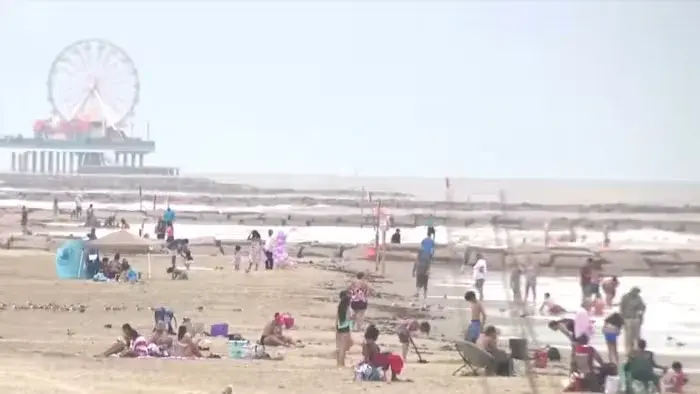
Louisiana has reported nine Vibrio vulnificus cases and five deaths this year, significantly exceeding its ten-year average. While Galveston County sees typical numbers, health officials warn that warming Gulf waters and nutrient runoff are expanding the bacteria's reach. Experts emphasize that the infection is rare but deadly, particularly for those with open wounds or compromised immune systems, urging immediate medical attention for any signs of infection.
Key points
- Louisiana confirmed nine Vibrio vulnificus cases with five deaths this year, compared to a ten-year average of seven cases and one death.
- Galveston County recorded five cases and two hospitalizations this year, both resulting in full recovery, which is within its typical annual range of ten cases.
- All Louisiana cases involved open wounds exposed to seawater, and every patient had underlying health conditions.
- Vibrio vulnificus thrives in warm, brackish water and can cause rapid tissue damage, sepsis, or death within days if untreated.
- High-risk groups include individuals with liver disease, diabetes, kidney issues, or immunosuppression.
Background
Recent archive coverage highlights a broader trend of Vibrio vulnificus infections across the Gulf Coast and beyond, driven by rising ocean temperatures. Previous reports noted similar spikes in Florida and Maryland, with experts linking the expansion of the bacteria to climate change and nutrient runoff. Earlier alerts emphasized the importance of monitoring water quality and seeking immediate care for wound infections.
How outlets are covering it
KPRC focuses on local reassurance, noting that Galveston’s numbers are typical and that most cases involve pre-existing wounds. KPLC and USA Today emphasize the severity of the Louisiana spike, highlighting the rapid progression to death and the critical need for immediate medical intervention. CBS News connects the rise in cases to climate change and nutrient pollution in the Chesapeake Bay, suggesting that warming waters are a primary driver of increased infections across multiple regions.
Why it matters
The surge in Vibrio vulnificus cases underscores the growing public health risks associated with warming coastal waters. While the bacteria remains rare, its high fatality rate and rapid progression demand heightened awareness and precaution, especially for vulnerable populations. Understanding the environmental factors driving these infections is crucial for effective prevention and response.
What to watch
Health officials are expected to continue monitoring water temperatures and bacteria levels, particularly in Gulf Coast states. Public education campaigns may increase to emphasize wound care and seafood safety. Further research into the impact of climate change on Vibrio vulnificus spread is likely to inform future public health strategies.
- Flesh-eating’ bacteria warning — should Galveston beachgoers be concerned? Click2Houston
- Flesh-eating bacteria is on the rise in Maryland. Here are some tips to avoid infection. CBS News
- Calcasieu Parish Coroner issues public health warning over deadly bacteria found in local waters KPLC 7 News
- Deaths from rare flesh-eating bacteria reported in these 2 states USA Today
- Alabama Public Health officials issue warning over flesh-eating bacteria along Gulf Coast WSFA
Want the full story? Read the original reporting
Read on Click2Houston