
Louisville expands West Nile virus fogging to seven neighborhoods after positive mosquito tests
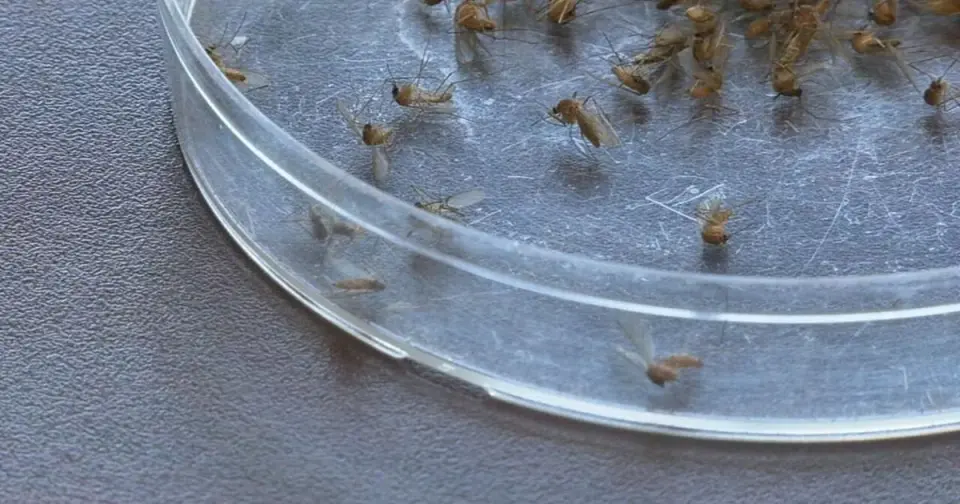
The Louisville Metro Department of Public Health and Wellness announced that mosquitoes carrying the West Nile virus were detected in seven additional neighborhoods, prompting immediate fogging operations. Health officials confirmed that one resident tested positive for the virus in August, marking the only confirmed human case in Louisville for 2026. While the risk of severe neurological complications remains low, authorities urge all residents to take preventive measures, including using repellent and eliminating standing water, as the virus continues to circulate in the region.
Key points
- Mosquitoes testing positive for West Nile virus were found in monitoring traps across Buechel, Smithfield Acres, Crescent Hill, Irish Hills, the Central Business District, the Churchill Downs area, and the Camp Taylor/Poplar Level Road area.
- Fogging operations are scheduled for Monday, Tuesday, and Thursday in the affected neighborhoods, weather permitting, to reduce mosquito populations.
- One Louisville resident tested positive for the virus in August, which is the only confirmed human case in the city for 2026.
- There have been no West Nile-related deaths in Louisville since 2023.
- Health officials emphasize that while most infections are asymptomatic or mild, the risk of serious illness is higher for individuals over 60 and those with conditions like cancer, diabetes, or hypertension.
Background
This development follows a broader trend of West Nile virus activity across the United States in 2026. Earlier this year, Pittsburgh implemented similar fogging measures in eight neighborhoods after positive mosquito samples were detected in Allegheny County. Additionally, Massachusetts recorded multiple human cases in Middlesex County, prompting high-risk alerts in Boston-area communities. In California, a warm winter and heat waves led to a five-year high in virus activity, resulting in 30 human cases and three deaths statewide, with Los Angeles County reporting its first fatality of the year. These regional events highlight the ongoing seasonal challenges posed by the virus, particularly during peak transmission months from June to November.
Why it matters
The expansion of West Nile virus detection in Louisville underscores the importance of proactive public health measures during peak mosquito season. While the current human case count is low, the presence of infected mosquitoes in multiple neighborhoods increases the risk of further transmission. Residents are advised to adopt preventive strategies, such as using EPA-registered repellents, wearing protective clothing, and eliminating standing water, to mitigate potential exposure. The situation also highlights the vulnerability of older adults and individuals with underlying health conditions, who are at greater risk for severe complications.
What to watch
Health officials will continue monitoring mosquito populations and may expand fogging efforts if additional positive samples are detected. Residents are encouraged to stay vigilant and follow preventive guidelines, including checking for standing water and ensuring window screens are intact. As the season progresses, public health departments will likely provide updates on case numbers and mosquito activity levels to inform community response efforts.
Want the full story? Read the original reporting
Read on WDRB